
 By
By The Evolution of Cannabis Culture Through Music and Community
The intersection of cannabis consumption and musical expression has long been a defining characteristic of counterculture movements worldwide. From the psychedelic rock experiments of the 1960s to the modern fusion of electronic beats and botanical wellness, music serves as both a soundtrack and a social lubricant for the cannabis community. Recent trends in festival culture and local event planning highlight a significant shift toward curated, immersive experiences that blend live performance with conscious consumption. This evolution reflects a maturing industry where the focus is no longer just on the product, but on the holistic atmosphere and the shared human connection facilitated by both art and plant medicine.
One of the most compelling examples of this cultural convergence is the rise of tribute acts that reimagine classic rock legends through a modern, relaxed lens. Events like Grateful Dub in the Seacoast region demonstrate how the spirit of the Grateful Dead continues to influence contemporary gatherings. These shows are not merely concerts; they are communal rituals that emphasize improvisation, audience interaction, and a laid-back vibe that aligns perfectly with cannabis culture. The reggae-infused reinterpretations of classic Dead songs create a unique sonic landscape that encourages mindfulness and presence. For attendees, these events offer a nostalgic yet fresh experience, proving that the legacy of 1960s counterculture is alive and well, adapted for a generation that values authenticity and community over mere spectacle.
Festival Culture as a Hub for Social Connection
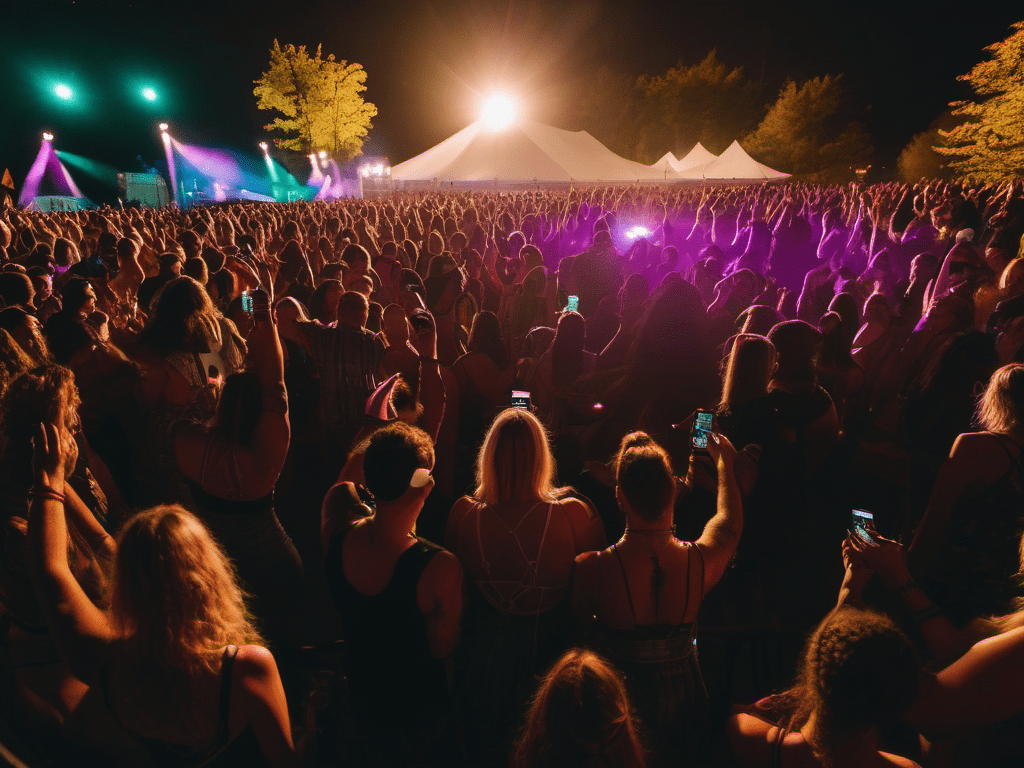
Summer festivals across the United States have become increasingly important nodes in the cannabis social network. In cities like Minneapolis and St. Paul, the seasonal calendar is dotted with events that cater to outdoor enthusiasts and music lovers alike. These festivals often serve as safe, controlled environments where attendees can gather to celebrate local art, food, and music. The emphasis on outdoor settings allows for a more natural integration of cannabis use, moving away from the stigma of indoor consumption and toward a celebration of nature and wellness. These gatherings foster a sense of belonging among attendees, creating temporary communities bound by shared interests in creativity and relaxation.
The structure of these summer events often includes designated areas for artists, vendors, and performers, creating a vibrant ecosystem that supports local entrepreneurs. Cannabis brands, in particular, have found a natural home at these festivals, where they can engage directly with consumers in a setting that prioritizes education and enjoyment. Unlike traditional retail environments, festivals allow for a more organic interaction between brands and users. Attendees can learn about different strains, consumption methods, and the importance of responsible use in a fun, low-pressure atmosphere. This direct engagement helps to demystify cannabis and positions it as a legitimate part of the cultural fabric, rather than a fringe activity.
The Role of Local Music in Shaping Regional Identity
Local music scenes play a crucial role in defining the cultural identity of cannabis-friendly regions. Artists like Eddie 9V, who have roots in the punk and alternative rock scenes, bring a raw energy and DIY ethos that resonates deeply with cannabis culture. Their performances often highlight the importance of authenticity and rebellion against mainstream norms, themes that are central to the history of cannabis use. By supporting local musicians, communities can create a unique cultural signature that distinguishes their region from others. This support system fosters a sense of pride and ownership among residents, encouraging them to participate in and contribute to the local arts scene.
The synergy between local music and cannabis culture is further strengthened by the collaborative nature of these events. Musicians often partner with cannabis brands to create unique experiences, such as listening parties or album releases that incorporate cannabis tastings. These collaborations allow artists to explore new creative avenues while providing consumers with memorable experiences. The result is a rich tapestry of cultural expression that reflects the diversity and creativity of the local community. By investing in local talent, cities can create a sustainable cultural economy that benefits both artists and consumers alike.
Curating Atmosphere for Enhanced Consumption Experiences
The modern cannabis consumer is increasingly interested in the quality of the environment in which they consume. This shift has led to the rise of “experience-based” events that prioritize atmosphere, lighting, sound, and social dynamics. Festivals and concerts that cater to this demographic understand that the setting is just as important as the music or the product. By curating spaces that are visually appealing, acoustically balanced, and socially welcoming, event organizers can enhance the overall experience for attendees. This attention to detail reflects a broader trend in the cannabis industry toward premiumization and professionalization.
Furthermore, these events often include educational components that help attendees make informed decisions about their consumption. Workshops on strain selection, responsible usage, and the benefits of different consumption methods are becoming standard features at cannabis-focused festivals. This educational approach not only empowers consumers but also helps to combat misinformation and stigma. By providing accurate information in a positive, engaging setting, event organizers can foster a more knowledgeable and responsible cannabis community.