

 By
By [ad_1]
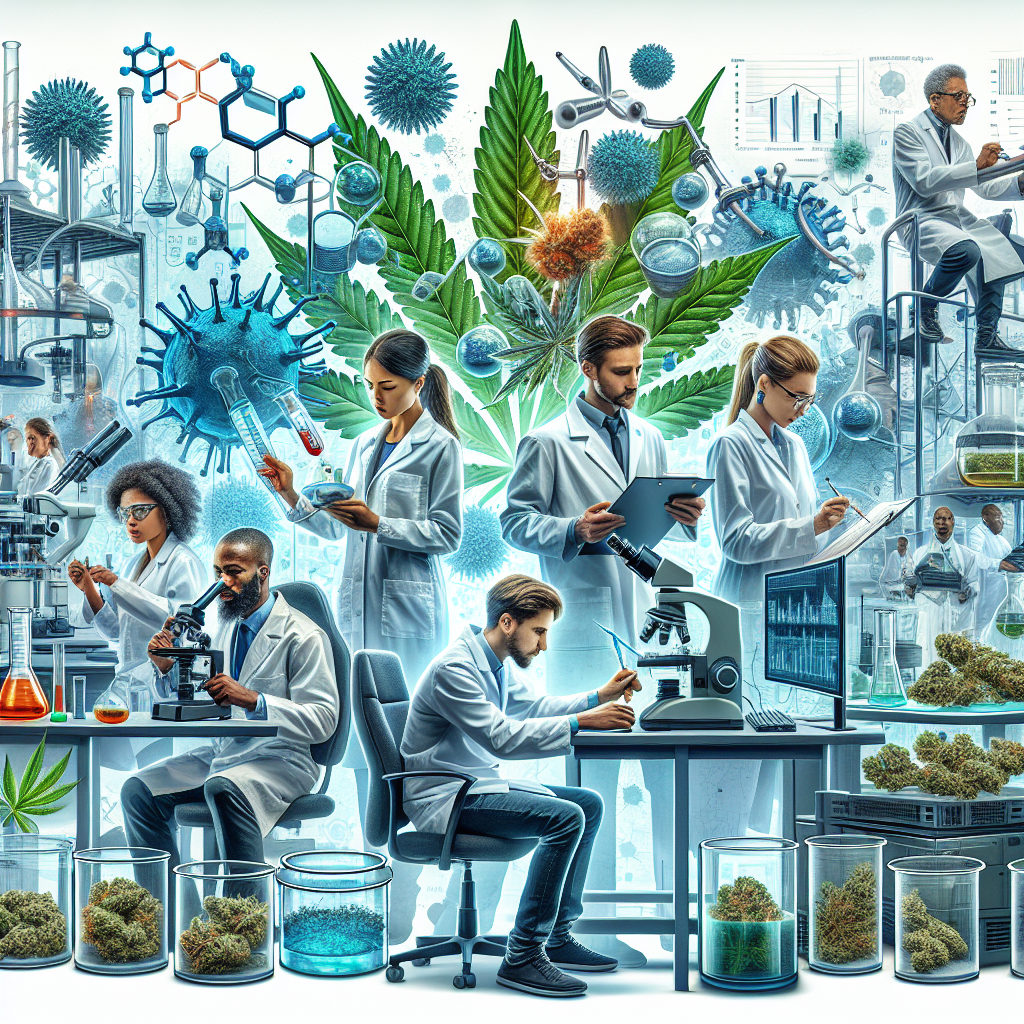
In the ever-evolving landscape of cannabis research and development in the United States, a significant shift is underway. Historically stigmatized and heavily regulated, cannabis has now transformed into a focal point for scientific inquiry, innovation, and commercial growth. As societal attitudes shift and legislative frameworks evolve, researchers and companies alike are breaking through historical barriers to explore the plant’s vast medicinal, therapeutic, and industrial potential. This article delves into current advancements, challenges, and the promising future of cannabis research in the U.S.
The Historical Context: A Legacy of Stigmatization
For decades, cannabis was synonymous with illegal activity and social stigma. The Controlled Substances Act of 1970 classified marijuana as a Schedule I substance, effectively stifling scientific research. This classification suggested that the plant had a high potential for abuse and no accepted medical use, a characterization grossly at odds with emerging evidence. The wave of legalization beginning in the 1990s, which now encompasses over half of the states, enabled researchers to explore cannabis’s potential benefits more freely, yet many obstacles remain.
Despite legalization efforts, researchers still face significant hurdles, including the stringent requirements for obtaining research-grade cannabis. In 2021, the U.S. Drug Enforcement Administration (DEA) released new guidelines aimed at expanding the number of federally approved cannabis suppliers. However, access remains limited, and the bureaucratic red tape can delay studies, impacting the pace of discovery.
Current Trends in Cannabis Research
As legal barriers continue to recede, the realm of cannabis research is blossoming. Notable studies are exploring the efficacy of cannabinoids in treating conditions such as epilepsy, PTSD, and chronic pain. In 2018, the FDA approved Epidiolex, a cannabis-derived medication for epilepsy, marking a significant milestone in the acceptance of cannabis in mainstream medicine.
Current research trends focus on specific cannabinoids, such as CBD (cannabidiol) and THC (tetrahydrocannabinol), as well as the entourage effect—the synergistic interaction of various compounds in cannabis. Universities like Harvard and Johns Hopkins are at the forefront of this research, aiming to demystify the mechanisms through which these compounds operate, leading to better therapeutic applications.
Moreover, advancements in biotechnology and genetic engineering are paving the way for the development of cannabis strains tailored for specific health benefits. Companies are employing CRISPR and other gene-editing technologies to enhance desirable traits, which could eventually extend the plant’s utility in pharmaceuticals, food, and other industries.
Navigating Regulatory Challenges
Despite monumental progress, regulatory challenges still impede swift developments. Researchers face a patchwork of state and federal regulations that can complicate grant funding and institutional support. In April 2022, a bipartisan group of lawmakers introduced the Cannabis Research Act, aimed at making it easier for researchers to study cannabis. This act seeks to streamline the process of obtaining licenses for cultivating cannabis for research purposes, although it remains to be seen how quickly and effectively it will be enacted.
Additionally, funding disparities pose a significant challenge. Many researchers rely on private-sector investment, which can steer studies toward profit-driven agendas rather than purely scientific inquiry. Federal funding for cannabis research has increased but remains limited compared to other drug classes. The National Institutes of Health (NIH) has been gradually opening the door for more cannabis research grants, yet higher levels of investment are crucial for groundbreaking discoveries.
The Role of Industry in Research and Development
With a burgeoning legal cannabis industry in the U.S., private companies have emerged as significant players in research and development. Major cannabis firms are collaborating with universities and healthcare organizations, conducting clinical trials to validate the medicinal properties of their products. For instance, companies like Canopy Growth and Curaleaf are investing in R&D initiatives that align with the goal of developing evidence-based products.
The growing interest from investors and stakeholders is fostering an ecosystem that prioritizes scientific rigor and innovation. These collaborations are critical not just for developing effective therapies but also for educating consumers about the benefits and risks associated with cannabis use.
Looking Ahead: The Future of Cannabis Research
As we gaze into the future, the momentum of cannabis research and development shows no signs of slowing down. Public opinion is shifting increasingly in favor of legalization and acceptance, laying the groundwork for expanded research opportunities. The Biden administration has expressed interest in reviewing the scheduling of cannabis, which could open wide avenues for more robust studies.
Advancements in technology, coupled with increasing access to cannabis products, will likely lead to more comprehensive and accurate data about the plant’s effects. Further research can enrich our understanding of human endocannabinoid systems and their role in health and wellness. As barriers continue to fall, we may witness innovative therapies that reshape patient care and improve quality of life for millions.
Conclusion
Breaking barriers in cannabis research and development in the United States marks a pivotal juncture in both science and society. While progress has been made, the journey is fraught with regulatory complications, funding challenges, and the ongoing need for rigorous scientific inquiry. As researchers, industry, and lawmakers collaborate, the future of cannabis may redefine not only medical treatment but also the broader understanding of the plant. With the potential to enhance healthcare outcomes and foster innovation, cannabis research stands as a testament to the transformative power of challenging the status quo. As we move forward, engaging in informed discussions and supporting meaningful legislation will be crucial in realizing the full potential of this remarkable plant.
[ad_2]