
 By
By [ad_1]
Introduction
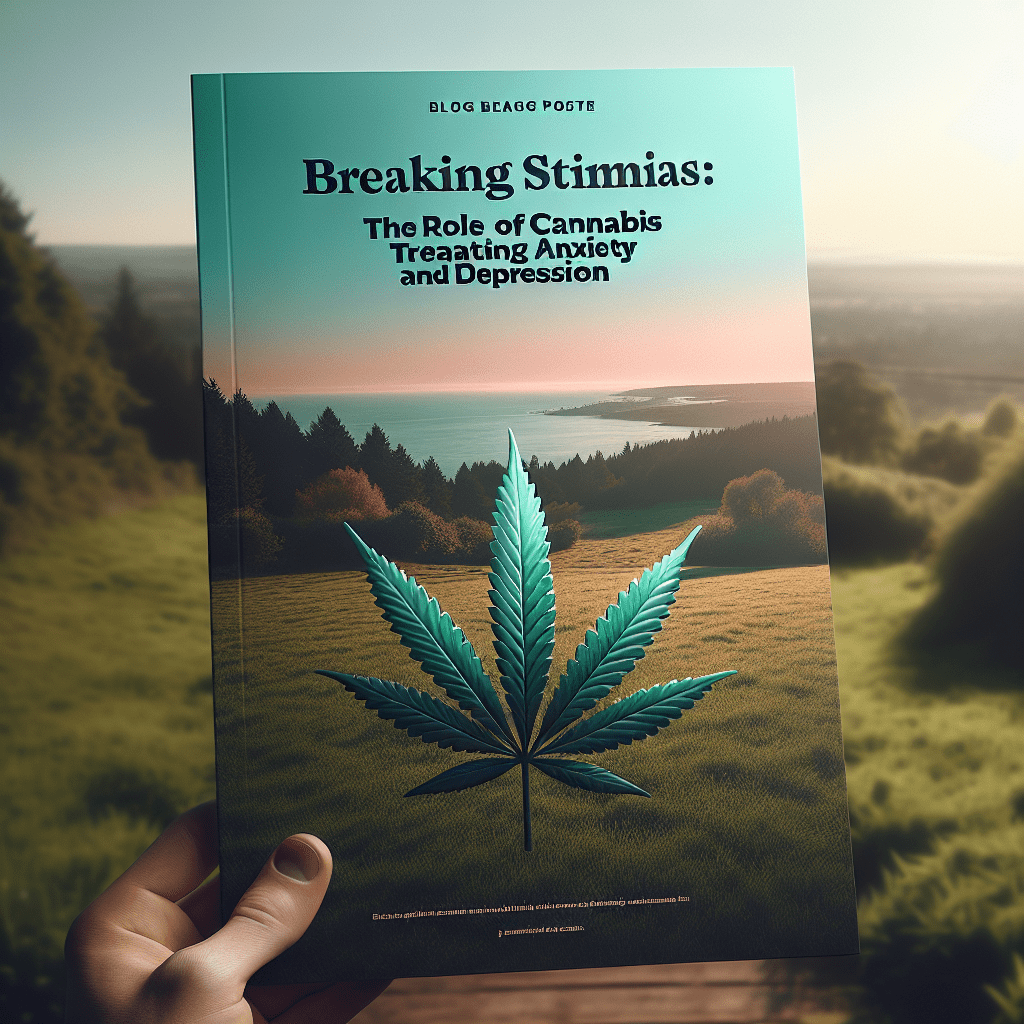
In recent years, awareness surrounding mental health issues has surged, guiding society towards a better understanding of conditions like anxiety and depression. With the rise of discussions about mental health challenges, the question of treatment options has gained prominence. One of the most discussed and yet often stigmatized therapies is cannabis. Historically associated with recreation and controversy, cannabis now stands at the forefront of alternative therapies as researchers and patients alike explore its potential in alleviating symptoms of anxiety and depression.
The Science Behind Cannabis and Mental Health
Cannabis contains numerous compounds known as cannabinoids, with tetrahydrocannabinol (THC) and cannabidiol (CBD) being the most studied. THC is the psychoactive component that produces a “high,” while CBD is non-psychoactive and has garnered attention for its potential therapeutic effects.
Studies suggest that CBD can reduce anxiety and depression by interacting with receptors in the brain that regulate mood and stress response. The endocannabinoid system, which plays a vital role in emotional regulation, may also be influenced by cannabis use. Research indicates that cannabis could help modulate the release of neurotransmitters like serotonin and dopamine, which are critical in managing mood and anxiety levels.
Breaking the Stigma
Despite the promising research, stigma surrounding cannabis use persists, primarily due to historical criminalization and misunderstanding. For many individuals suffering from anxiety and depression, the stigma surrounding cannabis can deter them from exploring a potentially effective treatment option.
Breaking this stigma involves education, awareness, and open dialogue about mental health and cannabis. As more states and countries reevaluate their cannabis policies and embrace medical marijuana, it is crucial to champion the benefits of responsible cannabis use. Personal testimonials from individuals who have found relief through cannabis play a significant role in reshaping perceptions. Sharing success stories can normalize the conversation and encourage others to consider this option alongside traditional treatments.
Alternatives and Complementary Therapies
While cannabis may not be a panacea for everyone, it can serve as a complementary approach to more traditional treatments such as therapy and pharmaceuticals. Many individuals find that a multi-faceted treatment plan that combines cannabis with cognitive-behavioral therapy or medication offers an effective way to manage their mental health challenges.
Furthermore, choosing the right type of cannabis product is essential. Strains high in CBD may be preferable for those with anxiety, while a balance of THC and CBD may be beneficial for others. Consulting with a healthcare professional knowledgeable in cannabis therapy can guide patients in finding the most suitable options tailored to their needs.
Potential Risks and Considerations
While cannabis shows promise in treating anxiety and depression, it is not without risks. Some individuals may experience increased anxiety or paranoia when using high-THC strains, and long-term use can lead to dependency issues. Therefore, it is essential to approach cannabis use with caution and mindfulness.
Patients considering cannabis as a treatment approach should consult with healthcare providers to understand the potential benefits and draw up a responsible plan. Studies are ongoing, and as the body of evidence grows, so too will the guidelines surrounding safe cannabis usage for mental health purposes.
Conclusion
Cannabis presents a unique opportunity to rethink the ways we approach treatment for anxiety and depression. As societal norms evolve and the stigma surrounding cannabis slowly dissipates, it allows individuals to explore alternative therapies that could significantly enhance their quality of life. With further research and open conversations, we can continue dismantling the biases tied to cannabis use, paving the way for more comprehensive and inclusive mental health treatment options.
FAQs
1. Can cannabis completely cure anxiety and depression?
While cannabis can help alleviate symptoms for some individuals, it is not a cure. It is usually more effective as part of a comprehensive treatment plan.
2. Is cannabis safe for everyone?
Cannabis affects everyone differently. Some people may experience adverse side effects, so it’s crucial to consult a healthcare professional before starting any cannabis regimen.
3. What strains are best for anxiety?
Strains that are high in CBD and lower in THC are typically recommended for anxiety. It’s advisable to experiment with different strains to find what works best for you.
4. Are there legal considerations around using cannabis for mental health?
Yes, the legal status of cannabis varies by region. Always check local laws regarding cannabis use for medical purposes before proceeding.
5. Can cannabis interact with other medications?
Yes, cannabis can interact with other medications. Discuss any potential interactions with your healthcare provider, especially if you are on prescribed medications for anxiety or depression.
[ad_2]