 By
By [ad_1]
In recent years, the landscape of cannabis advocacy in the United States has evolved dramatically, moving from a fragmented movement to a more unified front. This change reflects a broadening acceptance of cannabis, not only for recreational use but also for its medicinal properties. With over half of the states having legalized cannabis to some degree, the advocacy community has found common ground, forging alliances that bridge gaps between various interest groups. As the legal status of cannabis continues to evolve, the importance of unity among advocates cannot be overstated.
A Historical Perspective
The cannabis legalization movement has a long and storied history in the U.S. From the early 20th century, when cannabis was demonized and criminalized, to the current era of legalization and acceptance, the journey has seen considerable ups and downs. The late 1900s marked the beginning of the modern cannabis reform movement, driven largely by grassroots efforts. Groups like the National Organization for the Reform of Marijuana Laws (NORML) played pivotal roles in education, advocacy, and political action. However, these initial efforts were often disparate, with various organizations and individuals pursuing different agendas and goals.
Over time, the stigma surrounding cannabis began to diminish. Scientific research highlighting its medicinal benefits contributed significantly to this shift. As more states began to legalize cannabis—first for medical and then for recreational use—advocates recognized the need to come together. This shift in perception created an environment ripe for collaboration, resulting in a more unified advocacy network.
The Current Landscape
Today, organizations across the spectrum—ranging from medical professionals to social justice advocates—are working together more cohesively than ever. A recent notable example is the collaboration between cannabis advocacy groups and criminal justice reform organizations. Initiatives like the "Last Prisoner Project" aim to free individuals incarcerated for non-violent cannabis offenses. This partnership underscores the need to address past injustices while also promoting current cannabis policies that reflect fairness and equity.
Moreover, the Green Market Report, along with other industry sources, indicates that the legal cannabis market is projected to reach $41.5 billion by 2025. This growth is not just an economic boon; it is a call to action for advocates to push for policies that ensure minorities and marginalized communities benefit from this burgeoning industry. A unified front in advocating for social equity programs demonstrates that the cannabis movement is about more than just profit; it also concerns social justice and community healing.
The Role of Coalitions
Recent formations of coalitions highlight the trends of unity within the cannabis advocacy community. One notable coalition is the "Cannabis Feminist Alliance," which specifically aims to highlight the voices and talent of women in the cannabis industry. This organization, among others, reflects a broader understanding that diversity within advocacy brings about richer ideas and more comprehensive approaches to policy-making.
Furthermore, coalitions like the "Marijuana Equity Coalition" are working to ensure that the benefits of legalization extend beyond those who have traditionally dominated the cannabis landscape. By pooling resources and knowledge, these coalitions are able to engage in more effective lobbying efforts and public awareness campaigns. They leverage collective experiences to tackle significant challenges, from navigating legislative processes to addressing the complex social issues surrounding cannabis use in different communities.
Current Events and Future Outlook
As we enter 2024, significant legislative changes are on the horizon. Federal legalization is becoming an increasingly discussed concept, particularly with the "Cannabis Administration and Opportunity Act" introduced into Congress. While the prospects for full federal legalization remain uncertain, the ongoing discussions reflect a growing acceptance of cannabis within mainstream politics.
Additionally, the recent midterm elections showed a notable trend where several states voted in favor of cannabis-related measures. These developments provide a litmus test for the effectiveness of unified advocacy efforts and how they shape public opinion and political discourse. By combining resources and amplifying their messages, cannabis advocates can exert greater influence over lawmakers, ultimately affecting future policies.
Challenges Ahead
While there is much to celebrate in the growing unity among cannabis advocates, challenges remain. The industry faces significant hurdles, including ongoing federal prohibition and the uneven implementation of state laws. Additionally, the debate over cannabis banking continues to hinder the industry’s growth, as many businesses struggle to find traditional banking services due to federal regulations.
The fragmentation between recreational and medical cannabis advocates still poses challenges, as differing priorities can lead to discord within the movement. However, as advocates recognize that working together enhances their chances for success, there is a growing movement to find common ground despite these differences.
Conclusion: A Unified Future
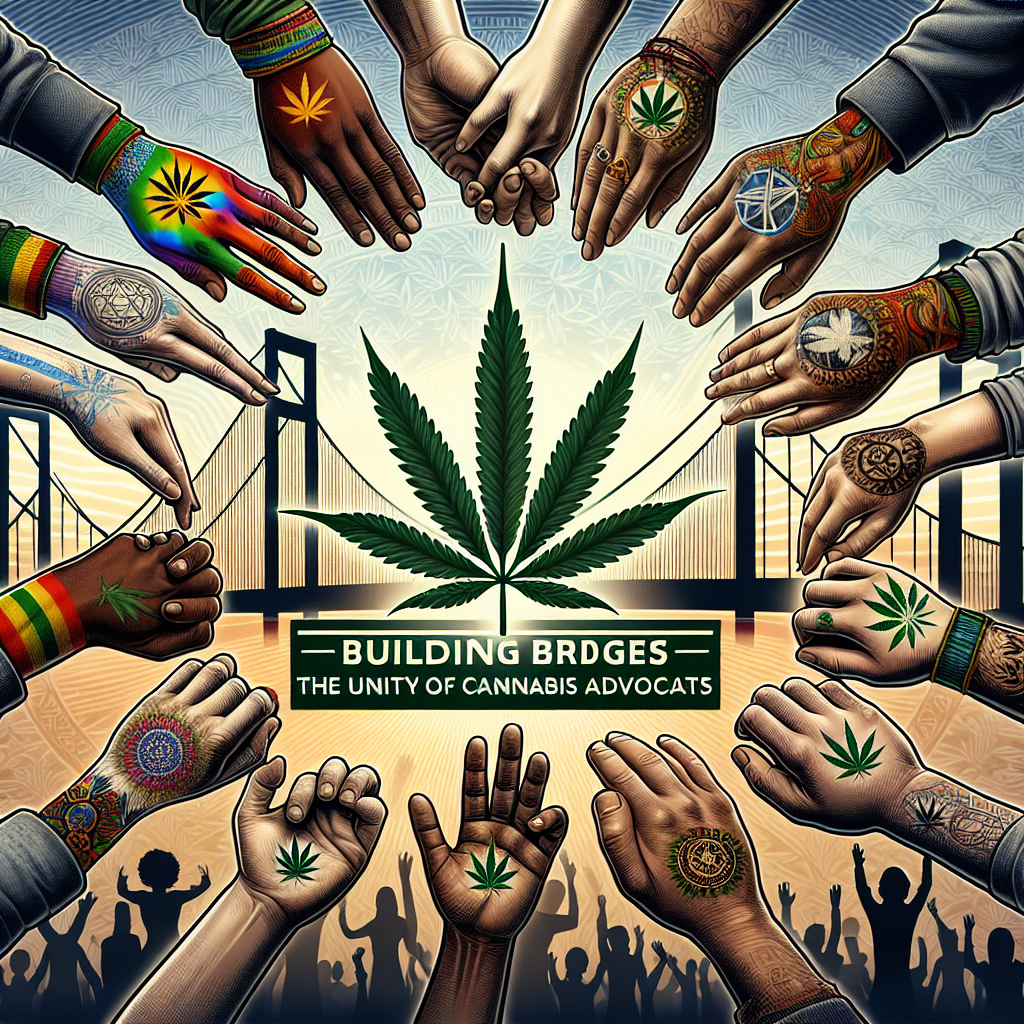
The cannabis advocacy movement in the United States is at a pivotal juncture. The progress made in creating a more unified front signals not only a significant shift in public perception but also an important moment of collaboration among diverse groups advocating for cannabis reform. As the community builds bridges and works toward common goals, the potential for meaningful change expands.
Advocates now face the crucial task of maintaining this unity in the face of ongoing challenges. As they bridge gaps between various interest groups and engage with communities historically marginalized by prohibition, the cannabis movement can serve as a model for collaboration in other social justice movements. Ultimately, the future of cannabis advocacy lies in its ability to remain inclusive, innovative, and, above all, united. The success of this movement will not only be measured by policy changes, but also by its enduring impact on society as a whole—the promotion of healing, justice, and equality for all.
[ad_2]