

 By
By [ad_1]
Cannabis Cultivation Innovations Transforming American Farms
The landscape of American agriculture is evolving rapidly, driven by innovations in cannabis cultivation. As more states legalize cannabis for both medicinal and recreational use, American farmers are at the forefront of a burgeoning industry that blends traditional farming practices with cutting-edge technology. This transformation is not just reshaping the economics of agriculture; it is also impacting environmental sustainability, labor practices, and rural communities across the United States. In this article, we explore the latest innovations in cannabis cultivation, their implications for American farms, and what the future holds.
A New Era of Legalization
The wave of cannabis legalization has catalyzed an industry that was once underground. As of 2023, 23 states plus Washington D.C. have fully legalized recreational cannabis, and 38 states allow medical use. This shift has opened new markets and opportunities for farmers, making cannabis one of the most lucrative crops in recent history. According to market research, the cannabis industry is projected to surpass $30 billion by 2025. As a result, farmers are exploring diverse cultivation methods and investment in technology that were not previously available.
Sustainable Farming Techniques
Innovations in cannabis cultivation are significantly contributing to sustainable farming. Many growers are now adopting advanced agricultural technologies to reduce their carbon footprint and chemical use. Techniques such as hydroponics, aeroponics, and organic farming are gaining popularity for their efficiency and lower environmental impact. These methods allow farmers to cultivate cannabis in controlled environments, maximizing yield while minimizing water and land use. For instance, hydroponic systems can reduce water consumption by up to 90% compared to traditional soil-based methods.
Additionally, sustainable pest management strategies are emerging as essential components of cannabis cultivation. Integrated Pest Management (IPM) techniques, which combine biological, physical, and chemical tools, enable farmers to tackle pest issues without resorting to harmful pesticides. This not only protects the health of the crop but also ensures that the end product is free from harmful substances, aligning with consumer demand for clean, organic cannabis.
Data-Driven Farming Methods
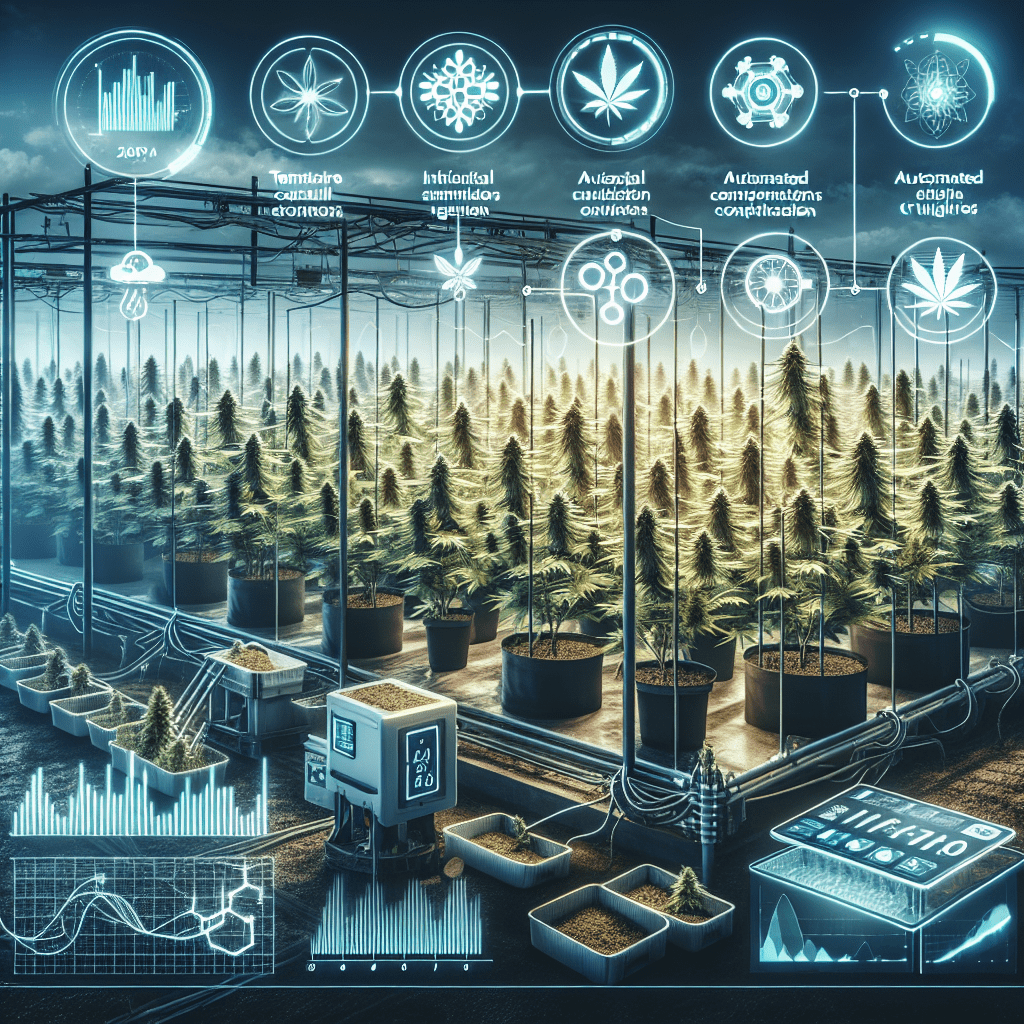
Precision agriculture is another game-changer in cannabis cultivation. By employing data analytics and sensor technology, farmers can monitor plant health, soil conditions, and environmental factors in real time. This information allows for more accurate water and nutrient delivery, optimizing growth conditions and yields. Companies like Agri-Tech and GrowGen are leading the charge, offering farmers smart sensors and cloud-based analytics platforms specifically tailored for cannabis cultivation.
For instance, soil moisture sensors can alert farmers when conditions are right for irrigation, reducing water use while ensuring crops receive optimal hydration. This data-driven approach not only enhances productivity but also enables farmers to make informed decisions that can significantly increase profitability.
Labor Market Transformations
As cannabis cultivation expands, so does the labor market associated with it. The need for skilled agricultural workers who understand both cultivation techniques and compliance with regulatory frameworks is critical. States are beginning to address this need through educational programs. Agricultural colleges are introducing courses focused on cannabis science and business, preparing the next generation of farmers for a career in this dynamic sector.
Furthermore, the cultivation of cannabis encourages diversity in the labor market. Many female and minority farmers are entering the industry, recognizing the potential for economic empowerment. Organizations like the Minority Cannabis Business Association (MCBA) are working to provide resources, mentorship, and funding to underrepresented communities looking to break into the cannabis market. This shift not only enhances equity within the agricultural sector but also fosters innovation and community engagement.
Technological Advancements in Cultivation
Technological advancements are a cornerstone of the cannabis industry’s evolution. Automated systems for cultivation, such as robotic harvesters and indoor climate control systems, are becoming more commonplace. These innovations reduce labor costs and improve efficiency, enabling farmers to scale their operations significantly.
Moreover, the rise of vertical farming is changing the way cannabis is grown. By utilizing vertical space and advanced LED lighting systems, farms can operate in urban areas, bypassing land use issues associated with traditional farming. Vertical farms can yield far more cannabis per square foot than conventional methods, catering to the increasing urban demand for locally sourced products.
Regulatory Challenges and Opportunities
While the innovations in cannabis cultivation present numerous opportunities, they also come with regulatory challenges. The patchwork of state laws and ongoing federal prohibition poses significant hurdles for farmers. Many growers are unable to access traditional banking services due to federal restrictions, making it difficult to secure funding for expansion or new technologies.
However, advocates are hopeful that changes are forthcoming. The recent passage of the SAFE Banking Act in the House of Representatives represents a step towards easing access to financial services for cannabis businesses. If passed into law, it could help stabilize the industry, allowing farmers to invest in innovations that further transform cannabis cultivation.
Conclusion: The Future of Cannabis Farming
The innovations transforming cannabis cultivation on American farms are indicative of a promising future for the agricultural sector. As more farmers adopt sustainable practices, embrace technology, and navigate the evolving regulatory landscape, the cannabis industry could set new standards for what modern agriculture can achieve.
In conclusion, the journey of cannabis farming has just begun. With its implications for environmental sustainability, labor equity, and technological advancement, cannabis cultivation promises to reshape America’s agricultural landscape in unprecedented ways. As these innovations continue to evolve, they will inspire not just cannabis farmers, but all of agriculture to embrace a future driven by sustainability and efficiency. The coming years will be critical in determining how this nascent industry can lead the charge in redefining American farming in the 21st century.
[ad_2]