

 By
By [ad_1]
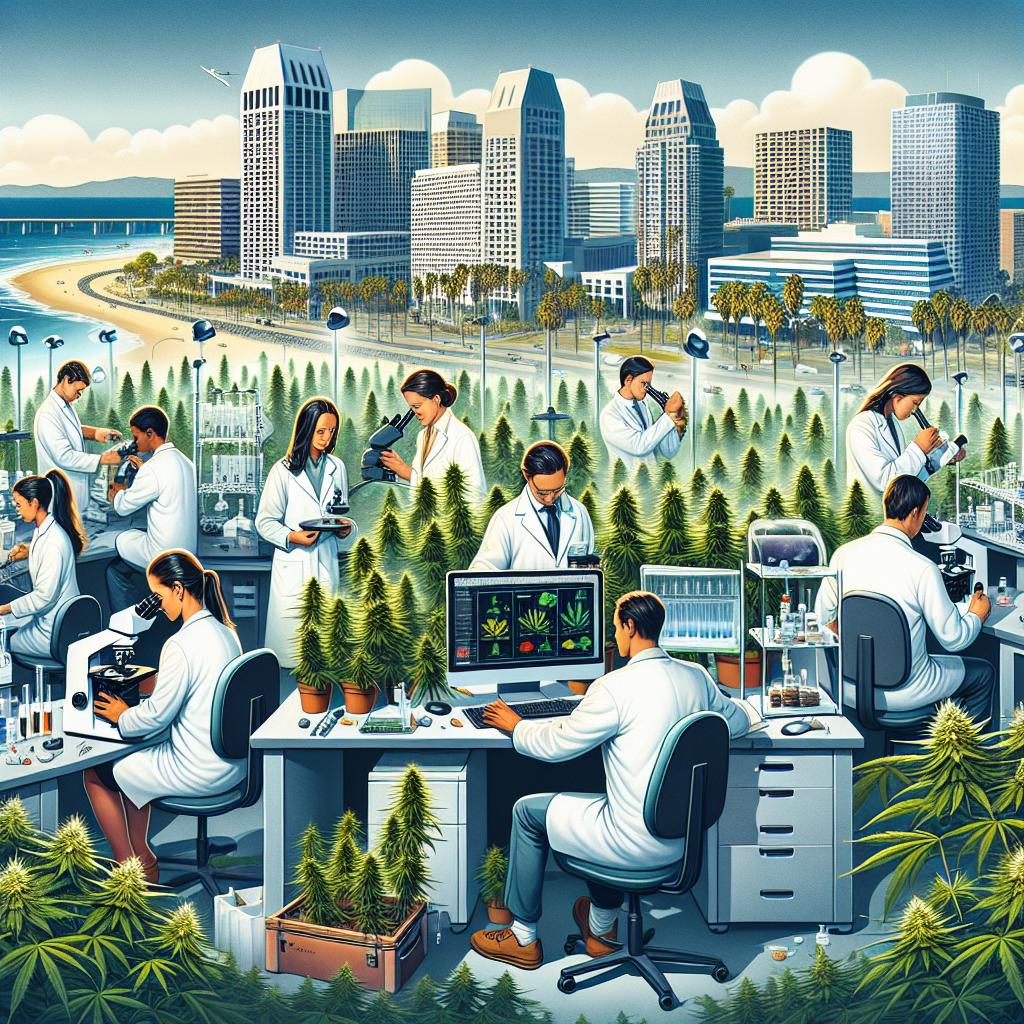
In recent years, San Diego has emerged as a significant hub for cannabis research and development in the United States. The shift in public perception and the legalization of cannabis for both medicinal and recreational use has created fertile ground for innovation. Over the last decade, the city has witnessed a surge in cannabis-related startups, research institutions, and educational programs, all contributing to a thriving ecosystem. With its year-round sunny climate, diverse population, and proximity to reputable universities, San Diego is well-positioned to lead the charge in understanding the benefits and complexities of cannabis.
The Evolving Landscape of Cannabis Legislation
Cannabis law in California has undergone dramatic changes in recent years. Proposition 215, passed in 1996, was one of the first laws to legalize medical cannabis, laying the groundwork for adult-use legalization in 2016 with Proposition 64. This progressive legal environment has paved the way for advanced research initiatives at universities such as UC San Diego and San Diego State University. Researchers are now exploring the therapeutic potential of cannabinoids, leading to groundbreaking studies that delve into areas such as pain management, anxiety reduction, and the treatment of various neurological disorders.
Academics and industry experts are also focusing on the pharmacology of cannabis. As the stigma surrounding cannabis diminishes, more scholars and researchers are focusing on the plant’s active compounds, particularly THC and CBD. For instance, a 2022 study from UC San Diego demonstrated that CBD could alleviate anxiety symptoms without the psychoactive effects associated with THC. Research like this sheds light on the potential for cannabis to serve as a viable alternative to traditional pharmaceuticals, especially for those who may be hesitant to use conventional medications.
A Thriving Ecosystem of Startups and Innovations
The cannabis industry in San Diego is not merely academic; it is also highly entrepreneurial. Numerous startups are emerging, offering everything from high-tech cultivation solutions to specialized delivery methods. Companies such as Canndescent and Doozy Pot are using advanced technologies like artificial intelligence and IoT (Internet of Things) to optimize cannabis cultivation and distribution systems. This innovation is further backed by an understanding of consumer preferences, as startups frequently engage directly with the community to refine their offerings.
Additionally, San Diego is home to several incubators and accelerators focused specifically on cannabis-related businesses. Programs such as The Greenhouse and Sunderstorm Incubator provide resources and mentorship to budding entrepreneurs, facilitating the nexus between research and market implementation. This interconnected network helps store and disseminate knowledge, ensuring that the latest findings in cannabis science are rapidly translated into practical applications. Seed funding from venture capitalists is also increasingly directed toward cannabis startups, demonstrating confidence in the market’s growth potential.
Collaboration Among Industry and Academia
Collaboration between academia and industry is vital for advancing cannabis research. San Diego’s universities are increasingly partnering with local companies to explore various aspects of cannabis, including cultivation techniques, product development, and consumer behavior. For instance, UC San Diego has developed research initiatives focusing on strain cannabinoid profiling and its effects on human health, in collaboration with local growers.
Moreover, the city hosts numerous conferences and symposiums that bring together industry leaders, researchers, and policymakers. Events like the California Cannabis Industry Association’s Symposium highlight the importance of knowledge sharing in this rapidly evolving sector. These events encourage dialogue around regulatory challenges, research initiatives, and opportunities for innovation, allowing the cannabis community to stay updated on national trends and best practices.
Addressing Regulatory Challenges and Ethical Concerns
Even amidst flourishing research and development, the cannabis industry faces significant regulatory challenges. These include inconsistencies in state and federal laws, which can create hurdles for researchers seeking funding or approval for studies involving cannabis. Moreover, navigating the labyrinth of regulations concerning product safety and consumer protection is an ongoing concern for businesses.
Ethical considerations also play a substantial role in cannabis research and development. With the rapid expansion of the market, questions arise regarding the welfare of consumers and the environment. Researchers aim to ensure that product claims are substantiated through rigorous scientific methods while industry players must adhere to ethical marketing practices. As public interest in cannabis grows, the need for transparent, science-backed information has never been more crucial.
Conclusion
As San Diego solidifies its reputation as a leader in cannabis research and development, the city presents a microcosm of a much larger national trend. The convergence of academic rigor and entrepreneurial spirit is fostering an environment ripe for innovation, ultimately shaping the future landscape of the cannabis industry. While challenges in regulation and public perception persist, the continuous exploration of cannabis’s therapeutic potentials, coupled with cutting-edge technology and strong community engagement, marks an exciting chapter in the evolution of this sector.
Looking ahead, it is imperative for stakeholders—from researchers to policymakers—to foster collaboration and prioritize ethical considerations in cannabis research. As the industry expands, so too will the necessity for informed dialogue about the implications of these innovations. Ultimately, the ongoing collaboration in San Diego may set a precedent for other cities, demonstrating the profound benefits such initiatives can offer the broader society, thus changing how we understand and utilize cannabis in the years to come.
[ad_2]