

 By
By [ad_1]
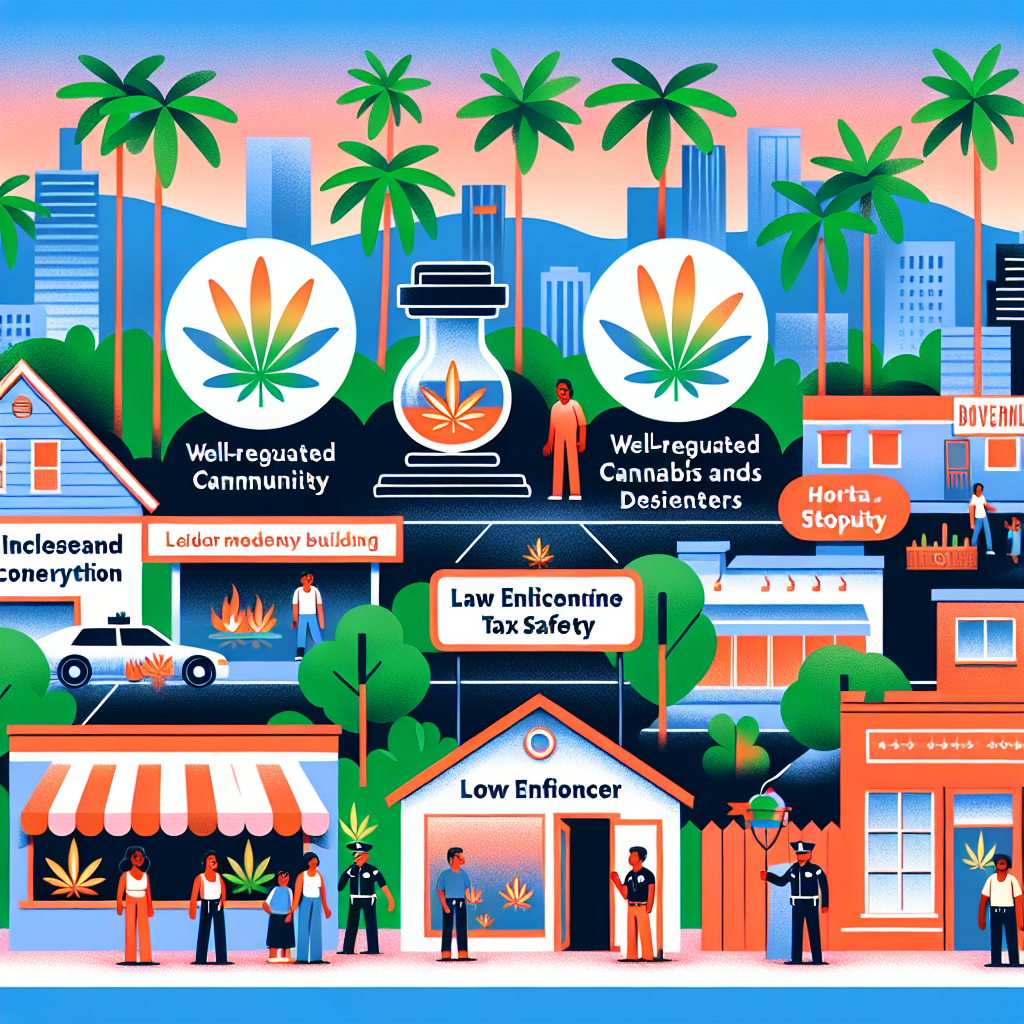
The legalization of cannabis in Los Angeles has ushered in a transformative era, reshaping the city’s social, economic, and cultural landscapes. While the move has spurred economic growth and fostered a vibrant industry, it has also highlighted significant challenges, particularly concerning social equity and community well-being.
Economic Growth and Job Creation
Since the legalization of recreational cannabis in California in 2016, Los Angeles has witnessed a burgeoning industry contributing substantially to the local economy. The city has become a hub for cannabis businesses, including dispensaries, cultivation centers, and ancillary services. This expansion has led to job creation across various sectors, from retail positions to logistics and security. The economic impact is evident, with cannabis tax revenues bolstering the city’s general fund, supporting public services and infrastructure projects. (manzurilaw.com)
Cultural Integration and Community Engagement
Beyond the economic benefits, cannabis legalization has facilitated a cultural renaissance in Los Angeles. The city has embraced cannabis as a component of its diverse cultural fabric, with dispensaries hosting art installations, music events, and educational workshops. These initiatives aim to destigmatize cannabis use and promote responsible consumption. For instance, dispensaries have collaborated with local artists and chefs to create immersive experiences that blend cannabis culture with Los Angeles’ rich artistic heritage. (citywatchla.com)
Challenges in Social Equity and Community Impact
Despite the positive strides, the journey toward social equity has been fraught with obstacles. Los Angeles’ social equity program, designed to assist individuals from communities disproportionately affected by the War on Drugs, has faced significant challenges. Initial efforts were marred by bureaucratic inefficiencies, lack of funding, and complex application processes, leading to financial strain and disillusionment among applicants. As of April 2023, only 114 storefront retailers were equity licensees, accounting for about 10% of the total, indicating limited economic benefits for those most impacted by cannabis criminalization. (pmc.ncbi.nlm.nih.gov)
The disparity in industry participation is further highlighted by demographic data. A 2017 survey revealed that 81% of marijuana business owners in the U.S. were white, while only 4.3% were Black and 5.7% were Hispanic. This stark contrast underscores systemic barriers that hinder minority communities from accessing opportunities within the legal cannabis market. (medium.com)
Public Health and Safety Considerations
The legalization of cannabis has also raised public health and safety concerns. Studies indicate that proximity to cannabis retailers may influence consumption patterns, particularly among vulnerable populations. For example, research suggests that pregnant women living closer to cannabis retailers are more likely to use cannabis, potentially impacting birth outcomes and child development. (pmc.ncbi.nlm.nih.gov)
Moreover, the proliferation of cannabis dispensaries has led to debates over zoning laws and their impact on neighborhood dynamics. While some argue that dispensaries can revitalize commercial areas, others express concerns about increased traffic, loitering, and potential declines in property values. Balancing these perspectives requires nuanced policies that consider both economic benefits and community well-being.
Policy Responses and Future Directions
In response to these challenges, Los Angeles has undertaken several initiatives to promote social equity and community reinvestment. The city has allocated funds to support organizations providing legal services, job training, and counseling to communities affected by past cannabis criminalization. However, the allocation of cannabis tax revenues has been a point of contention, with a significant portion directed toward law enforcement rather than community reinvestment programs. (filtermag.org)
Looking ahead, the Los Angeles cannabis community is focusing on sustainability and inclusivity. Businesses are adopting eco-friendly practices, such as using renewable energy sources and biodegradable packaging, reflecting a commitment to environmental responsibility. Additionally, there is a concerted effort to integrate emerging voices and youth participation, ensuring that the industry remains dynamic and representative of the city’s diverse population. (thepottery.la)
Conclusion
The community impact of cannabis legalization in Los Angeles is multifaceted, encompassing economic growth, cultural integration, and significant challenges in achieving social equity. While the industry has contributed positively to the city’s economy and cultural landscape, it has also exposed deep-seated disparities and public health considerations. Addressing these issues requires a holistic approach that balances economic interests with social responsibility, ensuring that the benefits of legalization are equitably distributed and that the community’s well-being remains a central focus.
[ad_2]