

 By
By [ad_1]
Economic Impact of Cannabis Legalization on Local Communities in the United States
Introduction
In recent years, the legalization of cannabis has transformed from a contentious issue to a substantial economic opportunity for many local communities across the United States. As of 2023, over 20 states have legalized cannabis for recreational use, while many others have adopted medical marijuana frameworks. This policy shift has not only generated significant tax revenue but has also spurred job creation, economic development, and community investment. Nonetheless, the benefits are accompanied by challenges that communities must navigate, ranging from regulatory hurdles to social equity concerns. Understanding the full economic impact of cannabis legalization is essential for ongoing discussions around its implications for local economies.
A Growing Revenue Stream
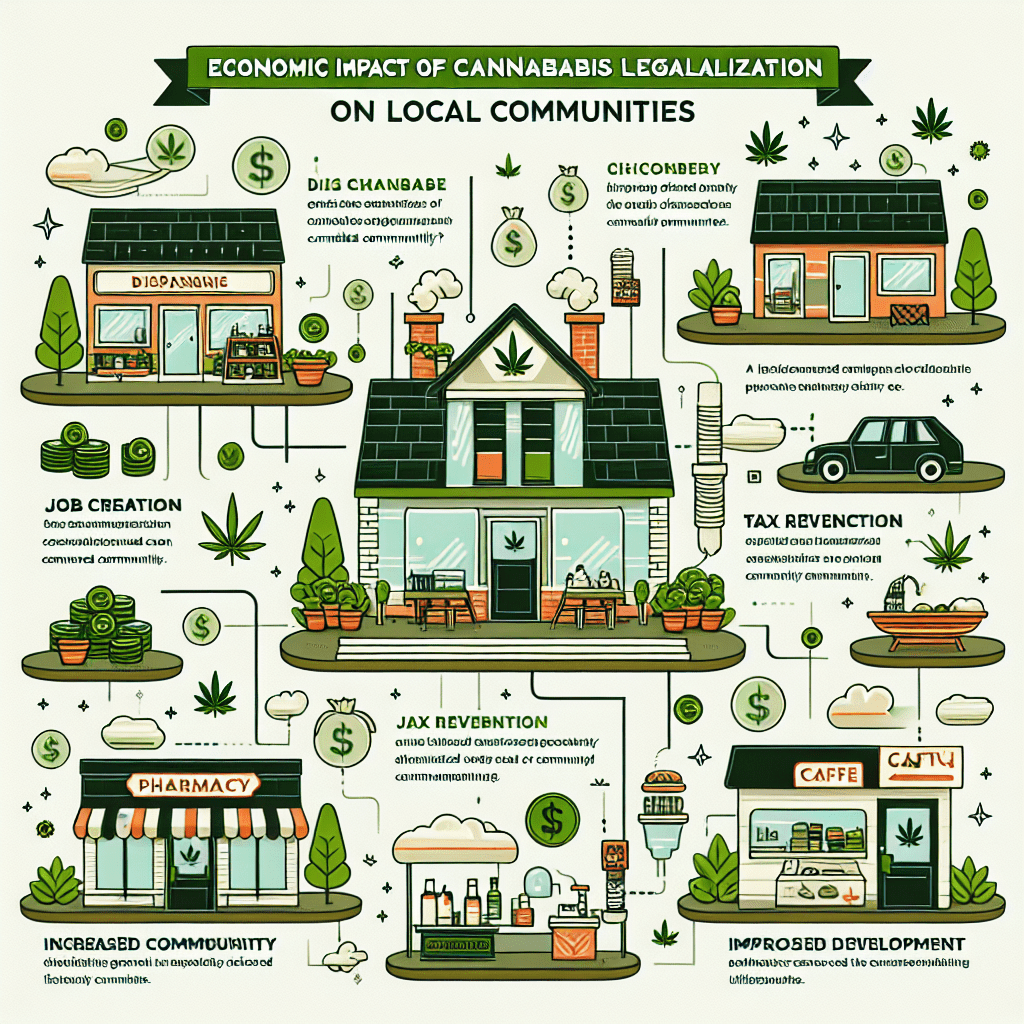
One of the most immediate economic impacts of cannabis legalization is the generation of tax revenue. According to a report from the Marijuana Policy Project, states that have legalized cannabis have collectively raked in billions of dollars since the inception of these laws. For instance, in 2022, Colorado alone accrued over $423 million in tax revenue from cannabis sales. This influx of funds has led to increased financial support for public services, such as education, infrastructure, and healthcare.
The allocation of these tax revenues often reflects local priorities. In California, the largest market for legal cannabis, for example, a significant portion of cannabis tax revenue is channeled into youth and community programs. These contributions can help improve the quality of life for residents and foster a more sustainable community environment. The effects are tangible, leading to better-funded schools and programs designed to combat homelessness and substance abuse.
Job Creation and Economic Development
The cannabis industry also represents a significant source of employment. Job creation has proliferated across various sectors, including cultivation, retail, and distribution, as well as ancillary services such as marketing, legal consulting, and research. According to Leafly’s annual report, the cannabis industry in the U.S. employed nearly 450,000 people in 2022, a figure that is expected to grow as more states consider legalization.
Local communities benefit from this job creation in multiple ways, from decreased unemployment rates to stimulated local economies. For instance, small towns in states like Oregon and Colorado have seen economic revitalization due to local cannabis businesses. This often leads to increased consumer spending in nearby establishments, such as restaurants and retail shops, creating a ripple effect throughout the economy. Importantly, these jobs tend to be available to a diverse workforce, promoting inclusivity and economic mobility.
Catalyzing Entrepreneurship
Cannabis legalization has paved the way for entrepreneurs, particularly those from historically marginalized communities. The industry has inspired a surge of small businesses, from boutique growers to independent dispensaries. However, while the entrepreneurial climate is vibrant, access to capital remains a hurdle, particularly for individuals from communities disproportionately affected by past drug policies.
Several states have recognized this issue and are implementing initiatives aimed at supporting minority-owned businesses in the cannabis sector. For instance, in Illinois, the state has established grant programs specifically designed to assist applicants from communities disproportionately impacted by cannabis prohibition. This is a crucial step toward addressing social equity and ensuring that the economic benefits of legalization are shared broadly.
Challenges and Concerns
Despite the promising economic indicators, cannabis legalization is not without its challenges. There remain regulatory hurdles and inconsistencies that can pose obstacles to business growth. For example, cannabis businesses often face significant barriers when it comes to banking. Due to the federal status of cannabis as a Schedule I substance, many banks are hesitant to work with cannabis-related companies, forcing them to operate on a cash-only basis. This can lead to safety concerns and complicate tax processes.
Moreover, while legalization has improved local economies, it has also raised questions about public safety, zoning, and neighborhood dynamics. Some residents express concern about the potential for increased crime rates in areas with high concentrations of cannabis businesses, although studies show that this is not necessarily the case. Local governments must find the right balance between fostering economic growth and maintaining community safety and wellbeing.
Community Reinvestment and Social Change
As cannabis legislation evolves, so does the conversation around community reinvestment. A notable trend is the growing focus on Social Equity Programs aimed at reversing the damages caused by decades of punitive drug policies. Many states are committing portions of their cannabis tax revenue to funding initiatives in impacted communities. These programs often target education, healthcare, and job training, acknowledging that long-lasting solutions require a multifaceted approach.
Additionally, public perception is shifting. Many Americans now view cannabis through a health and wellbeing lens, leading to increased discourse around its healing properties and legitimate business potential. This change in perception plays a vital role in the ongoing normalization of both cannabis and its economic contributions.
Conclusion
The economic impact of cannabis legalization on local communities in the United States is significant and multifaceted, characterized by both opportunities and challenges. From generating vital tax revenue to creating job opportunities and fostering entrepreneurship, the benefits are clear. However, communities must stay vigilant about addressing the accompanying challenges, ensuring equitable access to this emerging economic sector, and fostering an environment that prioritizes public safety and cohesion.
As states continue to navigate the dynamics of cannabis legalization, the onus will fall on local governments, communities, and industry stakeholders to manage growth responsibly. By investing in social equity initiatives and addressing regulatory barriers, communities can maximize the benefits of cannabis legalization while laying a foundation for long-term prosperity. Ultimately, the evolution of cannabis laws serves as a case study in economic transformation—one that emphasizes the importance of inclusive policies and community engagement in fostering sustainable economic growth.
[ad_2]