

 By
By [ad_1]
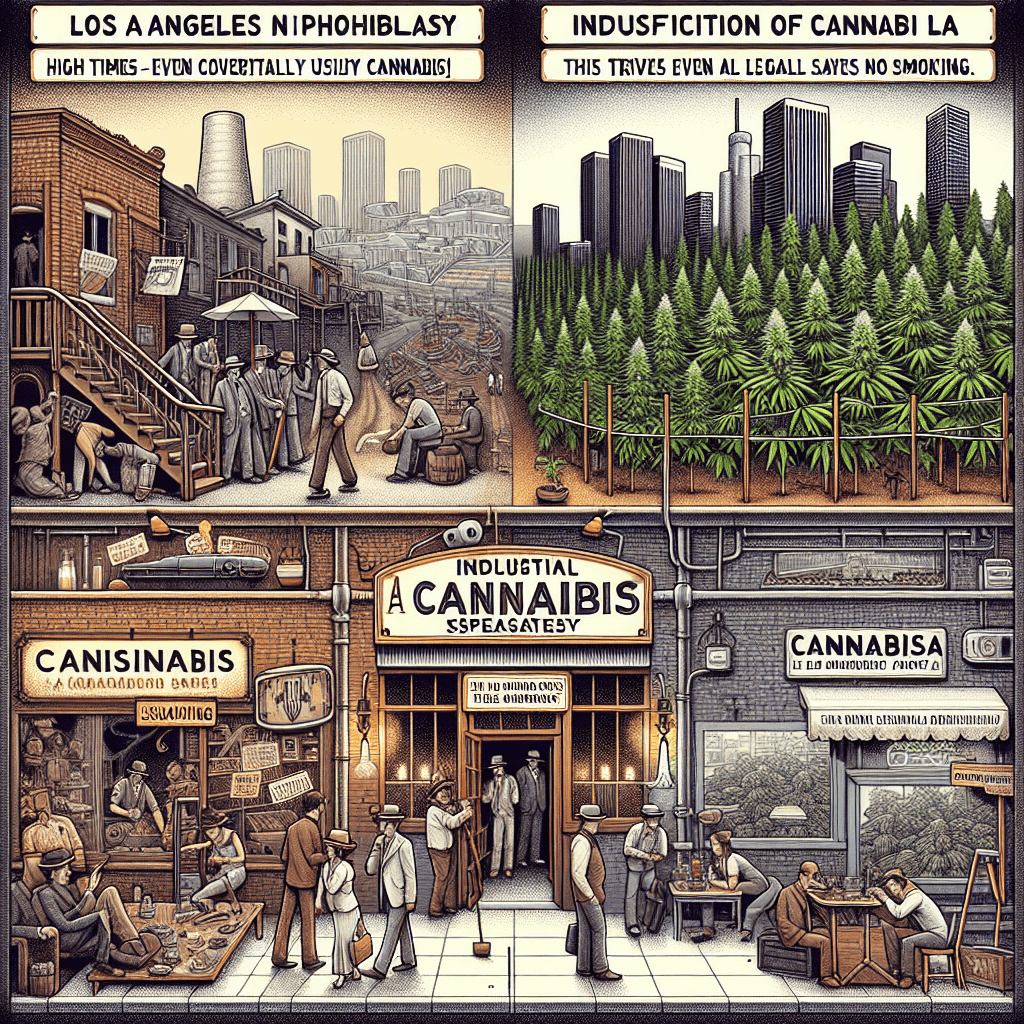
The journey of cannabis in Los Angeles reflects a broader narrative playing out across the United States. Once demonized under the shadow of prohibition, cannabis is undergoing a transformation into a multi-billion dollar industry, changing perceptions, policies, and the economic landscape nationwide. With the recent legalization of recreational cannabis in California and its profound impact on local economies, health, and social equity, it’s essential to explore how Los Angeles became a focal point in this green revolution.
The Shadow of Prohibition
To understand the current cannabis landscape in LA, we must first look back at the historical context of prohibition. Cannabis was criminalized in the United States during the early 20th century, culminating in the 1937 Marihuana Tax Act, which effectively banned its use. This move stemmed from a combination of racial and economic factors, fueled by social stigma and misinformation. For decades, cannabis remained illegal, often leading to severe penalties for possession and use, disproportionately affecting marginalized communities.
The tide began to turn in the 1990s. The introduction of Proposition 215 in California in 1996 allowed medical cannabis use, significantly altering public perceptions and laying the groundwork for future reforms. While initial acceptance was cautious, it marked a turning point, allowing for the rise of dispensaries and a burgeoning underground market that would shape LA’s cannabis culture for years to come.
Legalization: A New Era
In 2016, California voters passed Proposition 64, which legalized recreational cannabis use for adults aged 21 and over. This pivotal moment not only legitimized a previously stigmatized substance but also set the stage for a regulated industry. Los Angeles, with its vast urban landscape and diverse population, quickly became a focal point for cannabis businesses, setting the precedent for what a legal cannabis market could look like.
As of 2023, the Los Angeles cannabis market has experienced significant growth. The city now boasts over 1,000 licensed cannabis businesses, including dispensaries, delivery services, and cultivation facilities. According to the Los Angeles Department of Cannabis Regulation, the city has seen more than $1 billion in cannabis tax revenue since legalization. These funds have been directed towards community programs, education, and homelessness initiatives, underscoring the potential for cannabis to positively impact local economies.
Challenges and Opportunities
Despite the financial windfall, the cannabis industry in LA faces a myriad of challenges. The regulatory landscape remains fraught with complexity. Operators must navigate a confusing patchwork of local, state, and federal laws, which can differ dramatically. Overregulation, high taxes, and licensing fees have led to a thriving black market with lower prices, undermining legitimate businesses’ profitability.
Moreover, social equity remains a pressing issue. The initial goal of cannabis reform was to rectify the harms caused by prohibition, including targeting communities disproportionately affected by cannabis criminalization. However, achieving true equity has proven difficult. In 2023, less than 20% of cannabis business licenses in LA went to individuals from impacted communities, sparking ongoing discussions about how to create a more equitable industry.
Furthermore, there are growing concerns about the environmental impact of cannabis cultivation, particularly from outdoor grows that can strain water supplies and local ecosystems in the arid California climate. Stakeholders in the industry are increasingly called upon to adopt sustainable practices, from organic farming methods to energy-efficient production techniques.
Trends in Consumer Behavior
Consumer preferences in the cannabis market are also shifting. A study from the Cannabis Consumers Coalition reveals that 60% of consumers prefer organic products. The rise of health-conscious choices is paralleled by an increasing interest in cannabis-infused products, such as edibles and beverages, which are gaining traction among mainstream consumers. Companies are tapping into this trend by offering a wider array of products that cater to diverse lifestyles and health goals.
The popularity of cannabis culture is also reflected in its integration into the broader entertainment ecosystem in Los Angeles. High-profile events such as cannabis-friendly festivals and culinary experiences featuring infused dishes highlight the changing perceptions surrounding cannabis. Collaborations with celebrities, influencers, and brands further normalize cannabis usage and expand its reach to consumers beyond the traditional user base.
The Future of LA Cannabis
As Los Angeles continues to chart its course in the cannabis industry, several factors will play crucial roles in shaping its future. The momentum for federal legalization is building, with many advocates and lawmakers pushing for changes to cannabis regulations at the national level. If successful, this could create a unified legal framework that bolsters businesses and mitigates the inconsistencies that currently exist at state levels.
Additionally, there’s a growing focus on research surrounding cannabis’s medicinal properties. With ongoing studies exploring its potential in pain management, anxiety reduction, and various other health applications, the narrative surrounding cannabis is gradually evolving from one of mere recreational use to a recognized therapeutic option.
Conclusion
The trajectory of cannabis in Los Angeles—from prohibition to a burgeoning industry—represents a transformative movement in American culture, law, and economy. While challenges remain, particularly around equity and sustainability, the potential benefits are vast. As we stand at this crossroad, it’s essential for stakeholders, policymakers, and communities to engage in dialogues that balance profit with principles. Ultimately, the success of the cannabis industry in LA will not only be measured by its financial gains but also by its ability to rectify past injustices and pioneer a more equitable future. The question remains: how will LA continue to lead the charge in shaping the narrative around cannabis in the United States?
[ad_2]