
 By
By [ad_1]
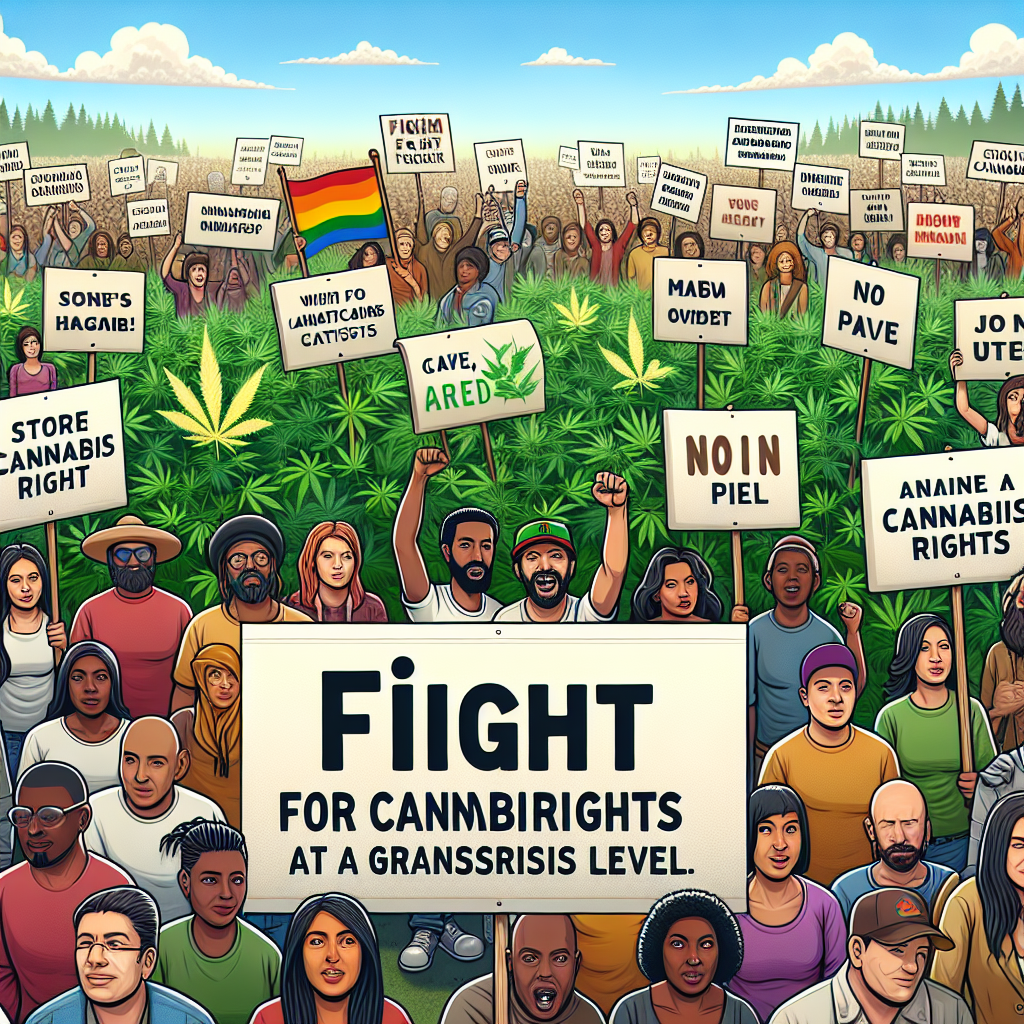
Grassroots movements have long been the heartbeat of social change in the United States, driving major shifts in public policy and opinion. The fight for cannabis rights is a prime example of how these movements can transform marginalized ideals into widely accepted norms. Over the past few decades, cannabis advocates have leveraged grassroots strategies to push for legalization and decriminalization across the nation. Their efforts have not only reshaped laws but have also redefined public perceptions of cannabis use.
The roots of the cannabis rights movement trace back to the counterculture era of the 1960s and 70s when groups like NORML (National Organization for the Reform of Marijuana Laws) began advocating for reform. These early efforts focused on educating the public about the medicinal benefits of cannabis and pushing back against the stigmatization fueled by decades of prohibition. However, it wasn’t until the 1990s that the movement gained significant traction, with California becoming the first state to legalize medical marijuana in 1996.
In the years since, grassroots movements have become more organized and influential. They have harnessed the power of social media, community outreach, and public demonstrations to rally support and spread their message. These movements have been instrumental in shifting public opinion, as highlighted by recent surveys indicating that over two-thirds of Americans now support marijuana legalization. This change in perception is pivotal, as it places pressure on lawmakers to align policies with the will of the electorate.
A significant aspect of the current grassroots efforts is the emphasis on social justice. Many advocacy groups are focused on rectifying the disproportionate impact of cannabis prohibition on minority communities. Organizations such as the Drug Policy Alliance and Minorities for Medical Marijuana work to address issues of equity, seeking to ensure that communities adversely affected by the War on Drugs are empowered and can benefit from new cannabis markets. This focus on social equity is becoming an integral part of state-level legalization frameworks.
In recent years, several states have taken substantial steps toward cannabis reform, driven largely by grassroots pressure. For example, in 2021, New York legalized recreational cannabis, including provisions aimed at ensuring social justice and equity. Grassroots advocates played a crucial role in shaping this legislation by organizing rallies, meeting with lawmakers, and raising public awareness about the social implications of cannabis laws. Similar stories have unfolded in states like Illinois and New Jersey, where activists have successfully pushed for comprehensive reform.
The push for federal legalization is seen as the next frontier for cannabis rights advocates. While more than half of U.S. states have implemented some form of legalization, cannabis remains illegal at the federal level. This has created a patchwork of laws that advocates argue is ineffective and confusing. Grassroots movements are increasingly focusing on lobbying federal legislators and supporting bills like the Marijuana Opportunity Reinvestment and Expungement (MORE) Act, which aims to decriminalize cannabis at the federal level and address racial disparities related to drug enforcement.
Despite significant progress, challenges remain. Opponents of legalization often cite concerns about public safety, adolescent usage, and potential health risks, creating contentious debates that activists must navigate. Nonetheless, advocates counter these arguments by pointing to studies that demonstrate the economic benefits of legalization, such as job creation and increased tax revenue, alongside the potential to redirect law enforcement resources from non-violent drug offenses to more serious crimes.
International trends also influence the domestic cannabis rights movement, as more countries move toward legalization. Canada’s nationwide legalization in 2018 and recent developments in Mexico serve as important case studies for American activists. These international precedents bolster arguments for federal reform by providing evidence of successful implementation in large, diverse countries.
The ongoing evolution of the cannabis rights movement in the U.S. highlights the power of grassroots activism in shaping public policy. As advocates continue to push for reform, they underscore the importance of community engagement, education, and persistence. By keeping the focus on both social justice and economic opportunity, these movements maintain their momentum, even in the face of resistance.
As the conversation around cannabis continues to evolve, it remains clear that grassroots movements are vital in propelling the United States toward a landscape where cannabis policy is more equitable and just. These activists remind us that change often starts from the ground up and that collective action can challenge and dismantle long-standing paradigms.
In conclusion, the fight for cannabis rights in the United States is emblematic of the enduring impact of grassroots activism. By continuing to advocate for change and addressing the complex intersections of cannabis policy, these movements not only strive for legalization but also for a more inclusive and fair society. As we reflect on their journey, we are reminded of the power of persistent, community-driven advocacy to alter the course of public policy and shape the future.
[ad_2]