

 By
By [ad_1]
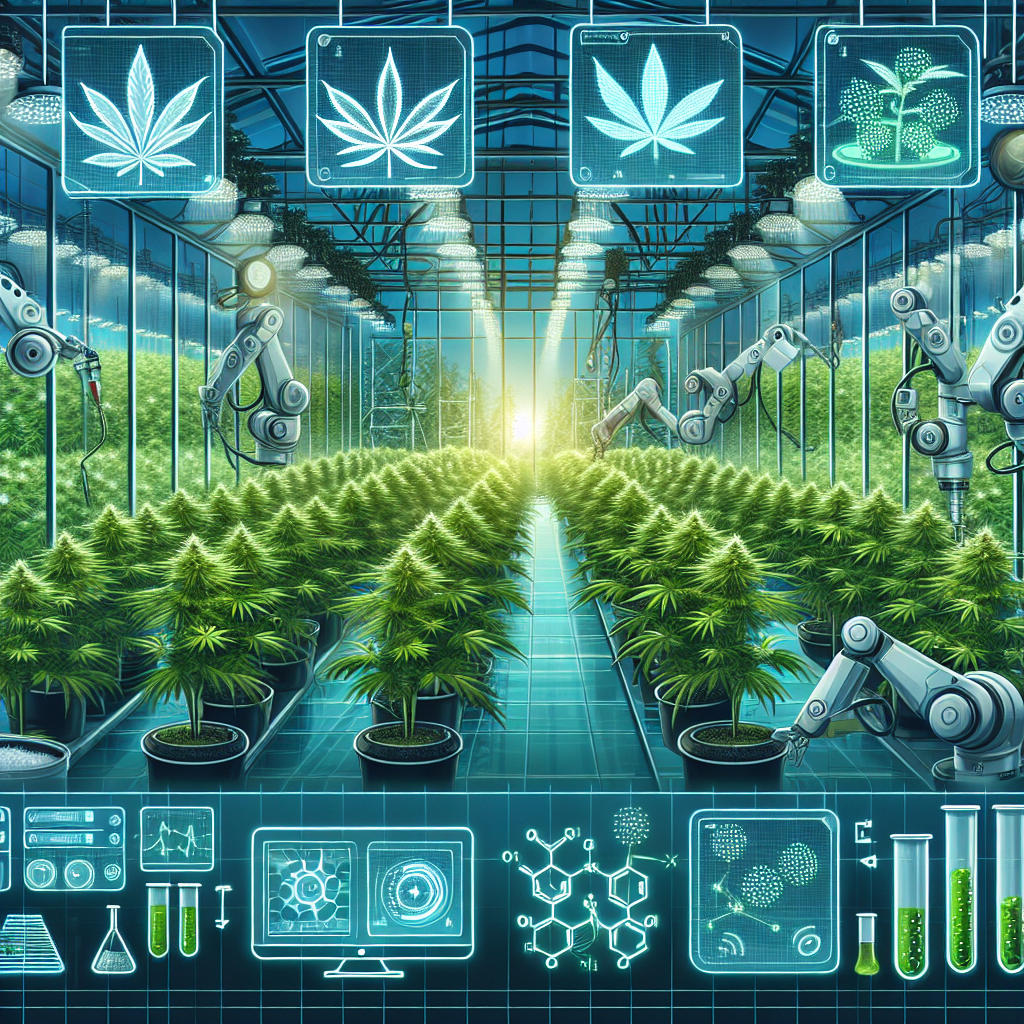
The cannabis industry has undergone a seismic shift in the past decade, driven primarily by advancements in technology. With the legalization of cannabis in many regions, producers are looking for more efficient and effective ways to cultivate, process, and distribute cannabis products. This article explores how tech innovations are revolutionizing cannabis production across various aspects, from cultivation to distribution.
Precision Agriculture
Precision agriculture utilizes advanced technology to monitor and manage crop production more effectively. In cannabis cultivation, farmers are increasingly using sensors, drones, and data analytics to optimize growth conditions.
- Drones: Equipped with high-resolution cameras and thermal imaging, drones can assess the health of cannabis plants, detect pests, and even monitor water levels in fields.
- Sensors: Soil moisture sensors help growers determine the optimal time to irrigate, ensuring that plants receive the right amount of water without over or under-watering.
- Data Analytics: Collecting data from various sources allows cultivators to make informed decisions, improving yields and reducing resource waste.
Vertical Farming and Hydroponics
The rise of vertical farming and hydroponic systems has changed the landscape of cannabis production. These methods allow growers to cultivate cannabis indoors, using limited space while maximizing output. By controlling the environment, such as light and nutrients, growers can produce higher quality cannabis year-round.
Hydroponics, which involves growing plants in nutrient-rich water instead of soil, allows for faster growth cycles and more efficient use of resources. This technology minimizes the use of pesticides and herbicides, resulting in cleaner products.
Artificial Intelligence and Machine Learning
Artificial intelligence (AI) and machine learning (ML) are becoming integral to cannabis production. These technologies help in analyzing large volumes of data and identifying patterns that human growers may miss. Key applications include:
- Yield Prediction: AI can predict crop yields based on various parameters, including plant genetics, environmental conditions, and historical data.
- Pest Detection: Machine learning algorithms can analyze images of plants to detect early signs of pests or diseases, enabling growers to take action before a small issue escalates.
- Consumer Preference Analysis: AI tools can process customer feedback and purchasing behaviors, helping producers tailor their products to meet market demands.
Blockchain Technology
With regulations tightening around cannabis production and distribution, blockchain technology offers a transparent and secure solution. Blockchain allows for the tracking of products from seed to sale, ensuring compliance with regulations and building consumer trust.
By providing a secure ledger of transactions and interactions in the supply chain, blockchain helps to eliminate fraud, verifies product authenticity, and improves recalls should issues arise. This level of transparency is vital as the cannabis market matures.
Automation and Robotics
Automation is playing a crucial role in streamlining cannabis production. Robotics are used in various tasks, from planting seeds to packaging products. Automation minimizes labor costs and increases efficiency in production.
Additionally, automated systems equipped with sensors can handle environmental controls, adjusting light, humidity, and temperature to create optimal growing conditions without human intervention.
Conclusion
The integration of high technology into cannabis production is more than just a trend; it’s a necessary evolution in an industry poised for growth. Innovations in precision agriculture, vertical farming, AI, blockchain, and automation are setting new standards for quality, efficiency, and transparency. As technology continues to advance, the cannabis industry will likely see further improvements in production effectiveness and sustainability, ultimately benefiting producers and consumers alike.
FAQs
1. How does precision agriculture improve cannabis cultivation?
Precision agriculture helps growers optimize their processes by using data-driven approaches to monitor plant health, manage water usage, and predict pest outbreaks.
2. What is hydroponics, and why is it beneficial for cannabis production?
Hydroponics is a method of growing plants without soil, using a nutrient-rich water solution instead. It allows for faster growth, controlled conditions, and reduced pesticide use.
3. How does blockchain ensure the safety of cannabis products?
Blockchain provides a transparent record of the entire supply chain, ensuring that products can be traced back to their origin, which helps prevent fraud and ensures compliance with regulations.
4. In what ways can AI contribute to the cannabis market?
AI can assist in yield prediction, pest detection, and analyzing consumer preferences, helping producers make data-driven decisions for better outcomes.
5. Will automation replace human workers in cannabis production?
While automation will streamline operations and reduce some labor needs, it will also create new opportunities in tech roles, requiring a workforce with different skill sets.
[ad_2]