
 By
By [ad_1]
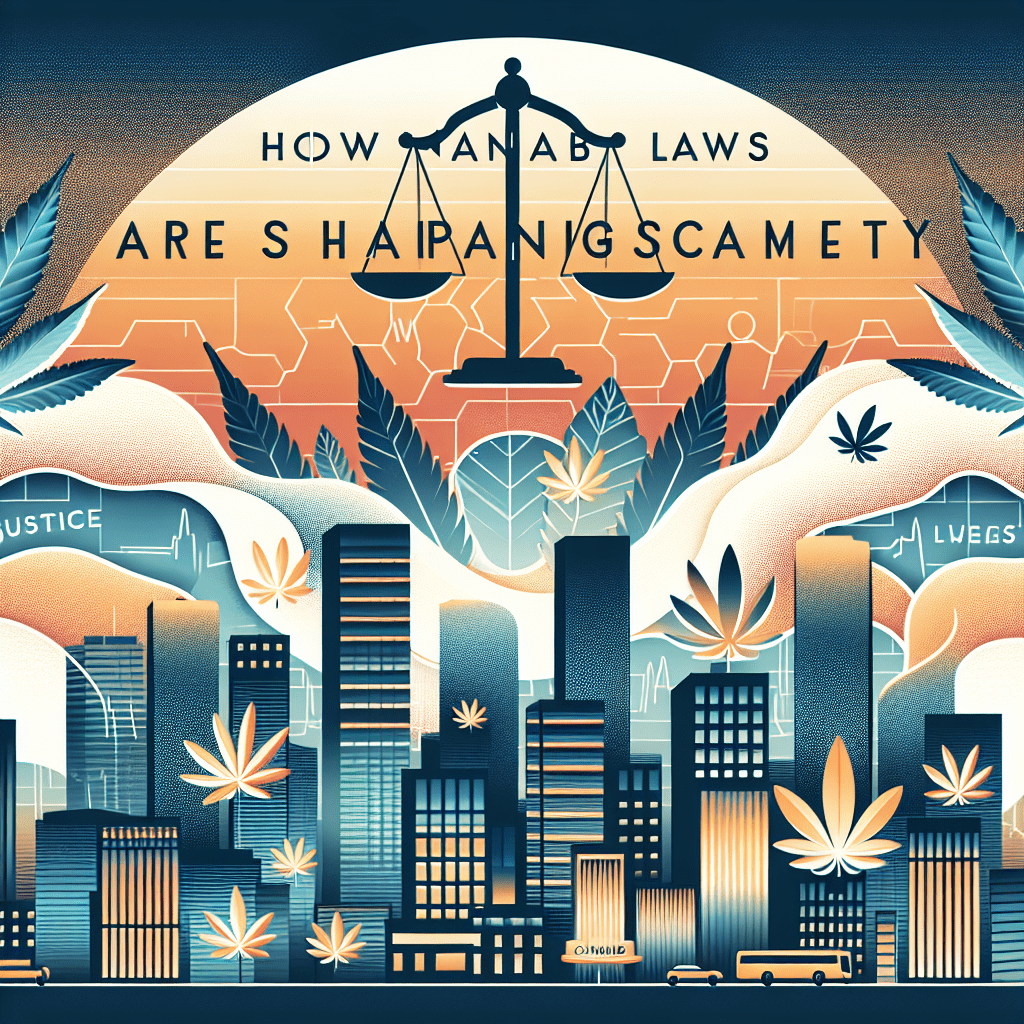
The landscape of cannabis legislation in the United States has undergone significant transformations in recent years, profoundly influencing various facets of society. As of October 2025, 24 states and Washington, D.C., have legalized recreational cannabis, while numerous others have approved its medical use. This evolving legal framework has sparked debates on public health, economic growth, and social justice, reflecting a nation grappling with the complexities of cannabis integration.
A pivotal development occurred in May 2024 when the U.S. Department of Justice proposed reclassifying marijuana from a Schedule I to a Schedule III substance under the Controlled Substances Act. This reclassification acknowledges the medical benefits of cannabis and its lower abuse potential compared to substances like heroin and LSD. While this move does not legalize recreational use at the federal level, it signifies a monumental shift in drug policy, potentially easing research restrictions and reducing tax burdens on cannabis businesses. The proposal is currently undergoing a public comment period and a comprehensive review process. (apnews.com)
Despite federal initiatives, state-level actions continue to shape the cannabis landscape. In May 2025, the Pennsylvania House passed a bill to legalize recreational marijuana for adults aged 21 and over. The legislation aims to establish a regulated cannabis market, generate jobs, and address the over 12,000 simple possession arrests recorded the previous year. Projected to generate over $500 million in its first year, the revenue is earmarked for Medicaid, public transit, education, and minority business development. The bill now awaits deliberation in the Senate, where modifications are anticipated. (apnews.com)
Conversely, some states are grappling with the regulation of hemp-derived products. In May 2025, the Texas Legislature passed Senate Bill 3, aiming to ban the sale and possession of hemp-derived products containing any amount of THC, effectively criminalizing much of the state’s legal hemp industry. However, Governor Greg Abbott vetoed the bill in June, advocating for regulation over outright prohibition. A special session was scheduled to address the matter, highlighting the ongoing debate over cannabis-related products in Texas. (en.wikipedia.org)
At the federal level, legislative efforts to reconcile state and federal cannabis laws are gaining momentum. The Cannabis Administration and Opportunity Act (CAOA), reintroduced in May 2024, seeks to decriminalize and deschedule cannabis, provide for reinvestment in communities adversely impacted by the War on Drugs, and expunge certain cannabis offenses. While the bill has been referred to the Committee on Finance, its progress underscores a growing bipartisan acknowledgment of the need for comprehensive cannabis reform. (en.wikipedia.org)
The economic implications of cannabis legalization are substantial. In 2023, states permitting personal cannabis use collected $4 billion in tax revenue, funding public health initiatives, infrastructure projects, and educational programs. The industry also supports over 440,000 full-time jobs across cultivation, retail, and compliance sectors. Projections indicate that the U.S. cannabis industry could reach nearly $45 billion by 2025, further enhancing job opportunities and economic benefits. (leafydoc.com)
However, legal challenges persist. In May 2025, the 1st U.S. Circuit Court of Appeals in Boston rejected a legal challenge by several Massachusetts cannabis businesses contesting the federal ban on marijuana. The court upheld the U.S. Supreme Court’s 2005 decision in Gonzales v. Raich, affirming Congress’s authority to criminalize marijuana possession under the Commerce Clause, even in states allowing medical use. This ruling underscores the ongoing tension between federal law and evolving state cannabis regulations. (reuters.com)
Public opinion continues to shift in favor of legalization. Approximately 90% of U.S. adults support legalization for either medical or recreational use. This widespread approval is influencing political stances, with figures like President Donald Trump considering reclassifying cannabis under federal law to fulfill campaign promises and expand access to medical marijuana. Such potential policy shifts reflect the growing recognition of cannabis’s role in modern society. (time.com)
In conclusion, the evolving cannabis laws in the United States are reshaping societal norms, economic landscapes, and legal frameworks. As states and the federal government navigate this complex terrain, the interplay between legislation, public opinion, and economic interests will continue to define the role of cannabis in American society. The path forward requires a balanced approach that considers public health, social equity, and economic growth, ensuring that the benefits of legalization are realized while mitigating potential risks.
Recent Developments in U.S. Cannabis Legislation:
- Justice Department formally moves to reclassify marijuana as a less dangerous drug in historic shift, Published on Thursday, May 16
- US appeals court rejects challenge to federal marijuana ban, Published on Tuesday, May 27
- Pennsylvania House advances bill legalizing recreational marijuana, Published on Wednesday, May 07
[ad_2]