
 By
By [ad_1]
As of August 2025, the landscape of cannabis regulation in the United States has undergone significant transformations, with states adopting diverse approaches to legalization and regulation. This evolution reflects a complex interplay between public opinion, legislative action, and federal policies.
The State of Cannabis Legalization in 2023
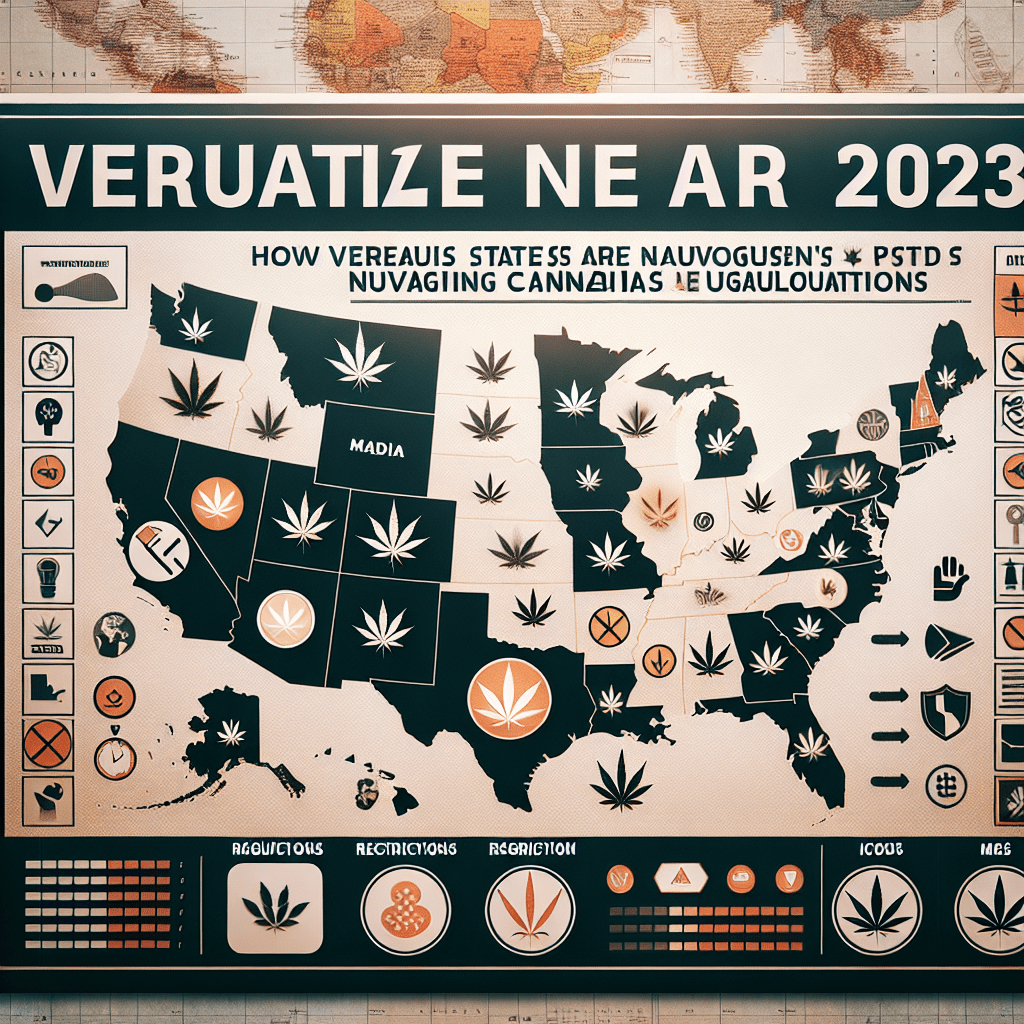
By 2023, a substantial majority of U.S. states had legalized cannabis in some form. As of April 2024, recreational marijuana was legal in 24 states and Washington D.C., with Ohio being the latest to allow adult cannabis use following a voter-approved initiative in November 2023. Kentucky also legalized medical marijuana in March 2023, becoming the 38th state to do so. Despite growing support for legalization across political lines, marijuana remained fully illegal in Idaho, Kansas, South Carolina, and Wyoming. (axios.com)
Recent Legislative Developments
Several states have enacted significant legislative measures to regulate cannabis:
-
Ohio: In November 2023, Ohio voters approved Issue 2, legalizing the possession of up to 2.5 ounces of cannabis and 15 grams of concentrate for adults 21 and over. The law also permits the cultivation of six plants for personal use and establishes a 10% sales tax on cannabis products. (en.wikipedia.org)
-
Minnesota: Governor Tim Walz signed House File 100 into law on May 30, 2023, legalizing the use, possession, and cultivation of cannabis within the state. Adults 21 and older can purchase and possess up to 2 pounds of marijuana flower in private residences and cultivate up to eight plants. (en.wikipedia.org)
-
Maryland: Effective July 1, 2023, Maryland legalized recreational cannabis use, allowing adults 21 and older to possess up to 1.5 ounces of cannabis flower, 12 grams of concentrate, and 750 milligrams of THC in products. The state also established a 9% sales tax on cannabis products. (en.wikipedia.org)
- Delaware: In April 2023, Delaware legalized adult recreational cannabis use, permitting individuals 21 and older to possess up to 1 ounce of cannabis. The state also established a regulatory framework for the cannabis industry, including licenses for cannabis-based businesses. (alcoholpolicy.niaaa.nih.gov)
Federal and State Regulatory Challenges
Despite state-level legalization, cannabis remains classified as a Schedule I substance under federal law, creating a complex regulatory environment. In response to the 2018 Farm Bill, which legalized hemp-derived products containing less than 0.3% delta-9 THC, intoxicating hemp-derived products like delta-8 and delta-10 THC emerged, often with minimal oversight. In July 2025, federal and state governments intensified efforts to regulate these products. A proposed federal spending bill sought to redefine hemp and ban products with combined THC levels above 0.3%, potentially outlawing many current hemp-derived products. States such as California, Virginia, and Arkansas enacted or enforced bans or strict regulations on these products, with courts generally upholding these laws. (reuters.com)
Public Health and Policy Considerations
A federal advisory panel recommended a public health-focused strategy for cannabis policy, emphasizing the involvement of the Centers for Disease Control and Prevention (CDC). The panel highlighted the need for federal leadership, citing increasing cannabis use and potency. Recommendations included CDC-led health campaigns, federal research on cannabis legalization, and state-level regulatory practices such as staff training and automatic record expungement for low-level offenses. (apnews.com)
Workplace and Employment Regulations
Several states have implemented laws to protect employees’ rights concerning cannabis use:
-
California: Governor Gavin Newsom signed Senate Bill 700 in October 2023, making it unlawful for employers to request information from applicants regarding prior cannabis use. The law also prohibits discrimination against individuals for off-duty cannabis use. (norml.org)
-
Michigan: In July 2023, the Michigan Civil Service Commission voted to amend state regulations, ending pre-employment marijuana screening for most state workers, with exceptions for certain safety-sensitive positions. (norml.org)
- Washington: Governor Jay Inslee signed Senate Bill 5123 into law, prohibiting employers from taking adverse actions against new hires due to a failed drug test for marijuana, with exceptions for safety-sensitive employees. (norml.org)
Conclusion
The landscape of cannabis regulation in the United States in 2023 reflects a dynamic interplay between state initiatives, federal policies, and public health considerations. As more states legalize and regulate cannabis, the need for cohesive federal policies and public health strategies becomes increasingly evident. The ongoing evolution of cannabis laws presents opportunities and challenges, necessitating informed and balanced approaches to ensure public safety and individual rights.
Recent Developments in U.S. Cannabis Legislation:
- Closing the loophole: updates on federal and state attempts to regulate intoxicating hemp-derived products
- US health authorities need to play a larger role in cannabis policy, a new report says
- Where cannabis and medical marijuana are legal this 4/20
[ad_2]