 By
By The Evolution of Indica Dominance in Modern Strain Selection
For decades, the cannabis community has relied on a simplified binary classification system, distinguishing between sativas for energy and indicas for relaxation. This model, while convenient for casual consumers, has long been recognized by botanists and cultivators as an oversimplification of complex genetic lineages. However, the enduring popularity of indica-dominant strains persists, particularly among consumers seeking relief from insomnia, anxiety, and chronic pain. As the industry matures, the focus has shifted from broad categorization to specific terpene profiles and cannabinoid ratios, yet the core appeal of indica strains remains rooted in their ability to deliver deep physical sedation and mental calm. Understanding this evolution is crucial for both growers and consumers who wish to navigate the modern market with greater precision and intentionality.
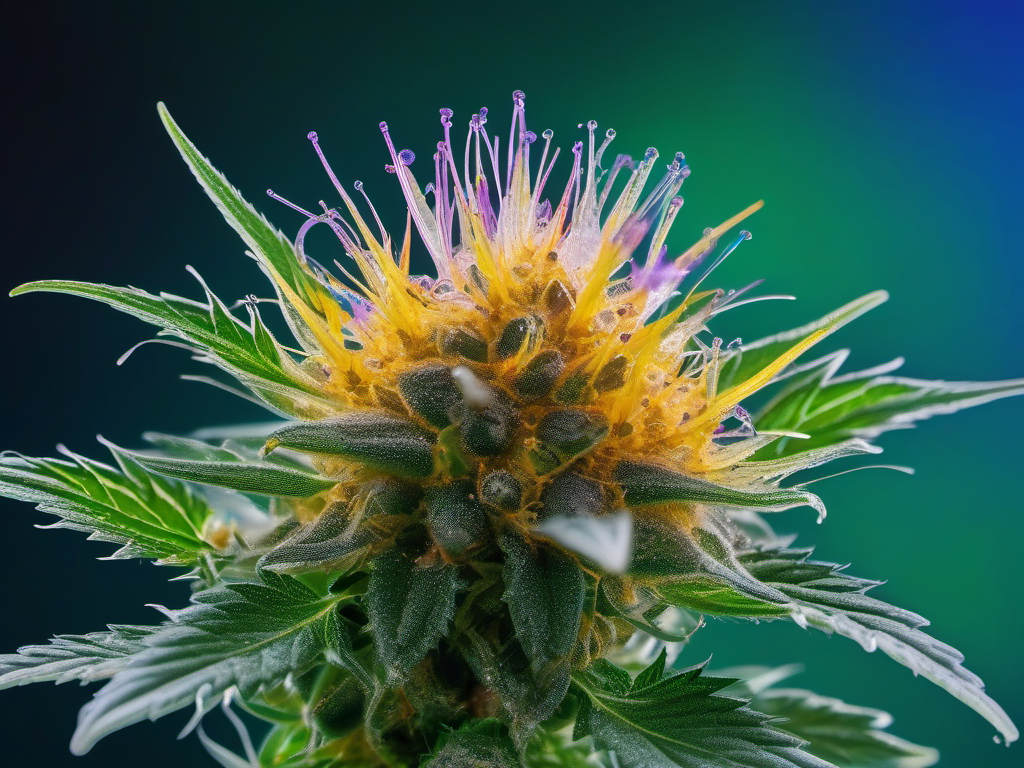
The traditional indica phenotype is characterized by short, bushy plants with broad leaves, adapted to the harsh, dry climates of Afghanistan, Pakistan, and India. These environmental pressures selected for robust genetic traits that prioritize resin production and resilience over height. In the context of human consumption, these physical traits often correlate with a chemical profile rich in myrcene, a terpene known for its sedative, musky aroma. Myrcene is frequently cited as the primary driver of the “couch-lock” effect associated with classic indica strains. While modern breeding has introduced significant genetic variability, the presence of high myrcene levels remains a reliable indicator for consumers looking for evening-use varieties. This chemical fingerprint allows patients to self-medicate for sleep disorders without relying on the imprecise label of “indica.”
Terpene Profiles: The True Drivers of Effect
Recent scientific inquiry has moved beyond the simplistic sativa-indica dichotomy to emphasize the entourage effect, where cannabinoids and terpenes work synergistically to produce specific therapeutic outcomes. For relaxation and sleep support, myrcene is indeed king, but it is rarely the sole actor. Limonene, with its citrusy notes, can elevate mood and alleviate stress, while linalool, found in lavender, offers potent anxiolytic properties. A modern indica-dominant hybrid might combine high levels of myrcene for physical relaxation with linalool to calm the nervous system, creating a balanced experience that soothes both body and mind. This nuanced approach to strain selection allows consumers to target specific symptoms more effectively than ever before.
CBD-rich indica strains have also gained significant traction, offering a non-intoxicating alternative for those sensitive to THC. Cannabidiol (CBD) interacts with the body’s endocannabinoid system to modulate the psychoactive effects of THC, often resulting in a clearer-headed relaxation. For individuals dealing with anxiety or insomnia who wish to avoid the potential paranoia or rapid heart rate associated with high-THC products, CBD-dominant indica hybrids provide a gentle pathway to wellness. These strains often feature a balanced ratio of CBD to THC, such as 1:1 or 2:1, ensuring that the user experiences the therapeutic benefits of both compounds without overwhelming psychoactivity. This shift toward CBD integration reflects a broader industry trend toward medicinal precision and consumer safety.
Genetic Lineages and Modern Breeding Techniques
The genetic heritage of popular indica strains is a testament to the artistry of cannabis breeders. Strains like Northern Lights, OG Kush, and Granddaddy Purple are not merely names but genetic blueprints that have been refined over decades of selective breeding. Northern Lights, for instance, is a legendary Afghani indica that has contributed its hardy genetics to countless modern hybrids. Its lineage ensures stability and potency, making it a favorite among cultivators for its resilience and high resin production. Similarly, OG Kush, with its complex hybrid ancestry, has become a cornerstone of the West Coast cannabis scene, prized for its earthy, fuel-like aroma and potent effects. These heritage strains serve as the foundation for new generations of cultivars, which are bred to enhance specific traits such as yield, flavor, or therapeutic efficacy.
Modern breeding techniques, including backcrossing and selective pollination, have allowed growers to stabilize desirable traits while minimizing unwanted ones. This precision has led to the emergence of new indica-dominant hybrids that offer unique flavor profiles and effect combinations. For example, breeders have developed strains that maintain the sedative qualities of traditional indicas while introducing brighter, fruity notes through cross-breeding with sativa landraces. These innovations expand the sensory experience for consumers, proving that indica strains are not monolithic in their character. The diversity of modern indica genetics allows for a wide range of options, from deeply relaxing varieties suitable for late-night use to uplifting hybrids that provide gentle relief during the evening hours.
Consumer Preferences and Market Trends
The market for indica-dominant strains continues to thrive, driven by consumer demand for reliable relaxation and sleep aids. In regulated markets, indica strains consistently rank among the top-selling categories, particularly in the evening and nighttime segments. Consumers are increasingly educated about the differences between strains, seeking out specific terpene profiles rather than relying on generic labels. This sophistication has led to a rise in demand for artisanal, small-batch cultivars that highlight unique genetic combinations.