
 By
By [ad_1]
The landscape of cannabis consumption has evolved significantly in recent years, especially following the waves of legalization that have swept across various states in the U.S. As the market matures, innovative products are shaping consumer preferences and redefining the way people approach cannabis. From edibles to wellness products and sophisticated consumption devices, a myriad of options is emerging, appealing to a diverse range of consumers. This article explores the latest developments in the cannabis industry, examining how innovation is transforming consumer habits and attitudes toward this once-stigmatized substance.
The Rise of Edibles and Beverages
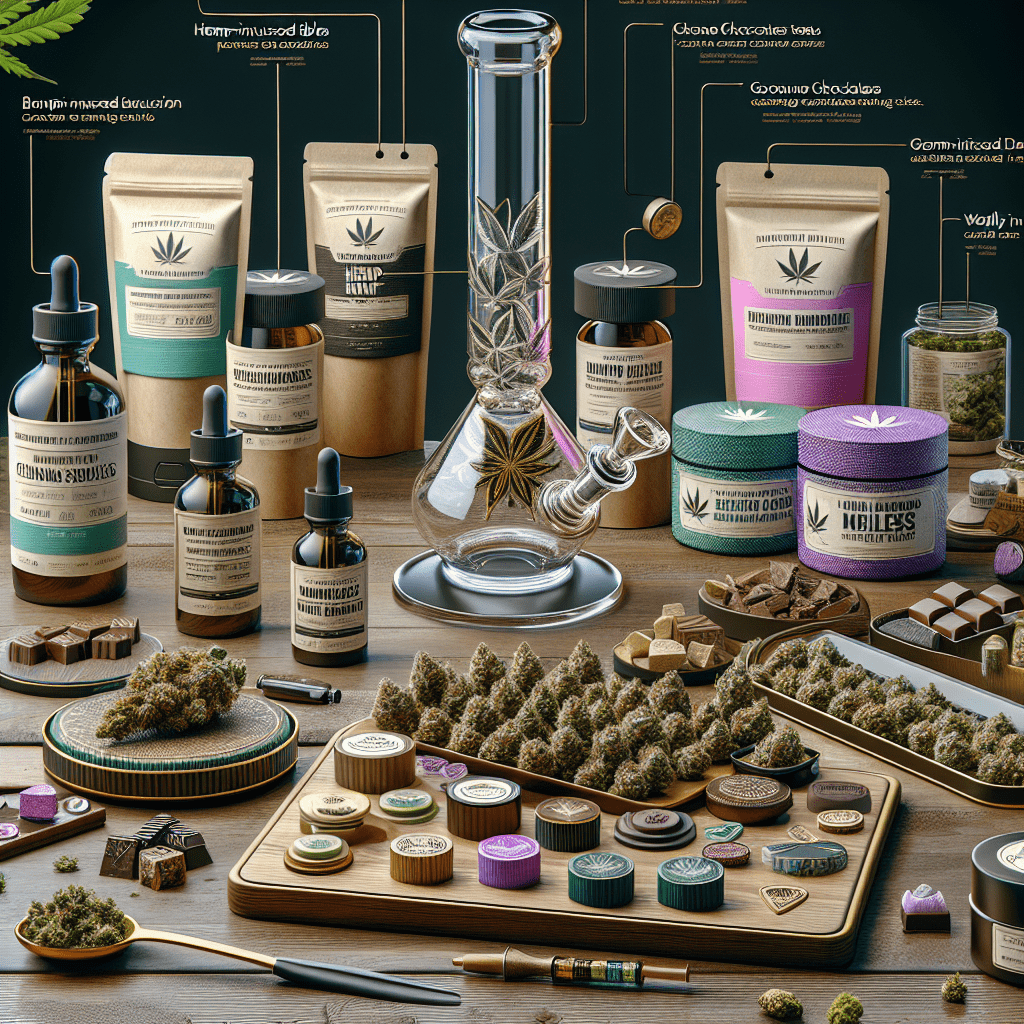
One of the most notable trends in the cannabis market has been the rise of edibles and beverages. Gone are the days when cannabis was primarily associated with smoking; now consumers want more discreet and enjoyable ways to consume. According to a report from the Brightfield Group, the U.S. cannabis edibles market is expected to reach approximately $4.1 billion by 2025. Companies are cashing in on this trend by developing sophisticated flavors and formulations designed to appeal to the culinary enthusiasts among cannabis users.
For instance, brands like Kiva Confections and Wyld offer gourmet-infused chocolate bars and fruit gummies, respectively, that cater to the taste buds and dietary preferences of various consumers. Meanwhile, infused beverages have also gained traction, with brands like Cann and Pabst Labs launching sparkling waters and tea blends that contain THC or CBD. This innovation allows for a more social form of consumption, aligning cannabis use with traditional social activities such as dining out or enjoying a drink with friends.
Wellness Products and Health Consciousness
In parallel with the rise of edibles, there has been an increasing focus on wellness products infused with CBD and other cannabinoids. As public interest in health and wellness garners more attention, consumers are gravitating toward products marketed for therapeutic effects. Research has indicated that CBD may help alleviate anxiety, pain, and inflammation, making it a compelling choice for health-conscious individuals. Brands such as Charlotte’s Web and Lord Jones are leading the charge, offering tinctures, capsules, and topical creams that highlight their potential wellness benefits.
Moreover, the wellness trend has expanded to include skincare products infused with cannabis extracts. Brands like cannabis skincare pioneer The Good Patch offer transdermal patches for stress relief and other concerns, appealing to those who prioritize natural ingredients in their beauty and health products. This focus on wellness aligns perfectly with broader societal trends moving toward holistic health solutions, making cannabis not just a recreational substance, but a legitimate component of wellness routines.
The Shift Toward Non-Traditional User Demographics
A significant insight into today’s cannabis market is the involvement of non-traditional consumer demographics, particularly older adults and women. These groups are often seeking the therapeutic benefits of cannabis without the psychoactive effects associated with THC. Innovations in low-dose products, including microdosed edibles and beverages, are appealing to this audience, allowing them to experiment with cannabis in a controlled manner.
In fact, a 2021 study from the Pew Research Center highlighted that approximately 42% of adults aged 65 and older reported trying cannabis, a marked increase from previous years. Brands tailored to these consumers, such as Mellow and Treetop, offer low-THC and high-CBD options designed to meet the unique needs of older adults. Women, too, represent a burgeoning segment, forming companies like Sunderstorm that focus on empowering female consumers with products that cater specifically to their preferences.
Technological Innovations in Consumption
Beyond product lines, advancements in technology are also reshaping the cannabis landscape. Vaporization technologies have become increasingly popular as consumers seek alternatives to smoking that reduce harmful effects on the lungs. Portable vaporizers, like those from PAX and Firefly, offer an elevated experience by allowing users to enjoy precise control over temperature and dosage, making it easier to consume cannabis discreetly.
Further innovations on the horizon include smart devices integrated with apps that help users track their consumption and effects. Such technology empowers consumers, providing them with the information necessary to make informed decisions about their cannabis use. As the tech-savvy generation continues to embrace cannabis culture, products that incorporate technology will likely gain even more traction.
Regulatory Changes and Market Growth
Legislation continues to play an essential role in shaping the cannabis market, directly influencing consumer preferences. As more states move toward legalization—now over 30 states in some form—companies are encouraged to innovate and meet growing consumer demands. Regulatory bodies are also beginning to embrace product safety and testing standards, which instills further confidence among consumers.
The current economic climate, combined with evolving regulations, is allowing brands to experiment with novel products to attract new customers. As investment in cannabis continues to climb, market players are incentivized to push the boundaries of innovation, leading to more creative offerings that resonate with diverse consumer bases.
Conclusion: The Future of Cannabis Consumption
As consumer preferences shift and evolve, the cannabis industry is well-positioned to grow in innovative and diverse ways. From an increase in gourmet edibles and wellness products to advancements in technology that enhance consumption, the current landscape suggests a promising future for the cannabis market. The barriers that once inhibited cannabis use are gradually dissolving, paving the way for an educated, health-conscious consumer base.
However, as innovation continues, so too does the need for responsible consumption and education. As cannabis becomes more integrated into societal norms, understanding its effects and navigating the myriad of products available will be crucial for consumers. Ultimately, the future of cannabis consumption is not just about products; it is about reshaping perceptions and experiences, allowing every individual to find their unique entry point into this fascinating world.
[ad_2]