

 By
By [ad_1]
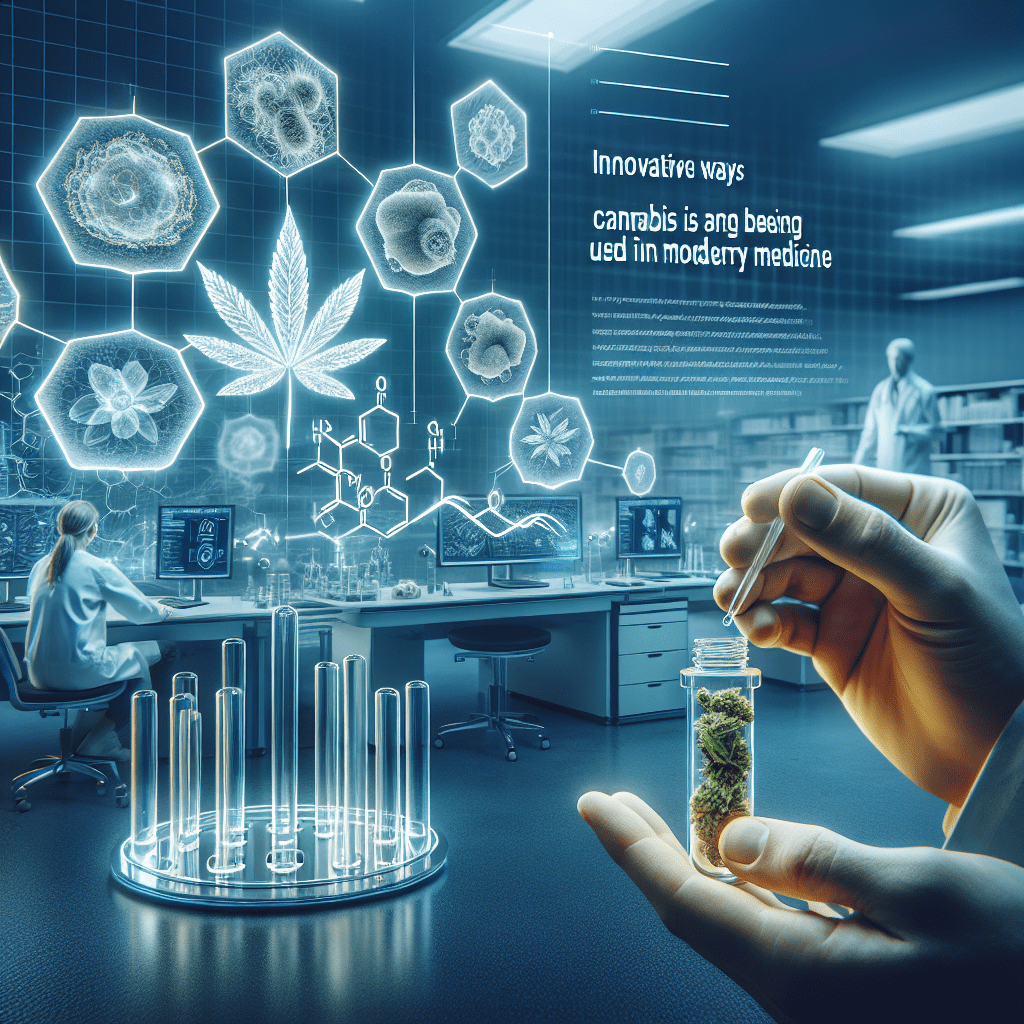
Innovative Ways Cannabis is Being Used in Modern Medicine in the United States
Over the past few decades, cannabis has transitioned from a stigmatized substance to a respected topic of study in modern medicine. As more states legalize its use for both medical and recreational purposes, there is a growing body of research and anecdotal evidence supporting the therapeutic benefits of cannabis. From pain relief to mental health treatment, innovative applications of cannabis are being explored at an unprecedented rate. This article delves into the various ways cannabis is being leveraged in modern medicine, highlighting recent trends and the implications for patients and healthcare providers.
The Therapeutic Potential of Cannabinoids
At the heart of cannabis’s medicinal properties are cannabinoids, the chemical compounds responsible for its effects. The most well-known cannabinoids include tetrahydrocannabinol (THC) and cannabidiol (CBD). THC is primarily responsible for the psychoactive effects associated with marijuana, while CBD is celebrated for its potential therapeutic benefits without the "high." Recent studies have suggested that cannabinoids can interact with the endocannabinoid system in the human body, which plays a crucial role in regulating pain perception, mood, memory, and immune function.
One notable area of interest is cannabis’s ability to alleviate chronic pain. For patients suffering from conditions such as arthritis, fibromyalgia, and multiple sclerosis, traditional pain relief methods can often fall short or lead to dependency on opioids. A recent review in the journal Pain indicated that cannabis-based medications significantly improved pain relief for patients who had previously relied on opioids. Healthcare professionals are increasingly recognizing the potential of cannabis as a safer alternative to conventional pain management, leading to renewed discussions around integrating its use into treatment protocols.
Advancements in Mental Health Treatment
Mental health is another domain where cannabis is proving to be an innovative solution. Conditions such as anxiety, depression, and PTSD (Post-Traumatic Stress Disorder) have seen a substantial uptick in patients seeking alternative treatments. Research has shown that CBD, in particular, may reduce anxiety levels and improve mood. A 2022 study published in The American Journal of Psychiatry found that participants using CBD reported a notable decrease in anxiety symptoms compared to those who received a placebo.
Moreover, the use of cannabis to manage PTSD, especially among veterans, is gaining traction. The Department of Veterans Affairs has initiated studies to assess cannabis’s impact on PTSD symptoms, with preliminary findings suggesting it may serve as an effective adjunct to traditional therapies. As the stigma surrounding discreet cannabis use in clinical settings diminishes, more mental health practitioners are evaluating its viability in treatment plans.
Cannabinoids in Cancer Care
Cannabis is also making significant inroads in oncology. Many cancer patients use cannabis to manage side effects related to chemotherapy, such as nausea and loss of appetite. A review by the National Academies of Sciences, Engineering, and Medicine found substantial evidence supporting the use of cannabinoids for these purposes. Patients often report that cannabis not only alleviates discomfort but also enhances their quality of life during a challenging treatment process.
Innovative formulations, including oils and edibles, are being developed to meet the needs of patients who may have difficulty with traditional ingestion methods. Increasingly, healthcare providers are collaborating with cannabis specialists to offer comprehensive care that incorporates these alternative therapies, seeking to optimize patient experience and outcomes.
A Focus on Cannabis Research
As acceptance of cannabis in mainstream medicine grows, so does the need for rigorous scientific research. Institutions such as the University of California, Los Angeles (UCLA) have launched programs dedicated to studying the benefits and risks associated with cannabis use. These programs typically focus on understanding the mechanisms of cannabinoids in various medical conditions, thereby laying the groundwork for future clinical applications.
Legislation is catching up with science, with the introduction of the Medical Marijuana Research Act of 2021, aiming to streamline the process for conducting research on cannabis. Such legislative efforts underscore recognition at the national level of the need for a robust understanding of cannabis’s medicinal properties, which could ultimately lead to the development of new therapeutic agents derived from its compounds.
The Challenges Ahead
Despite the progress made in understanding cannabis’s medicinal potential, challenges remain. Issues such as varying regulations across states, the lack of standardization in product formulations, and limited health insurance coverage for cannabis-related treatments can hinder its accessibility. Additionally, there is still a significant societal stigma attached to cannabis use, complicating discussions between patients and healthcare providers.
Moreover, the disparity in research funding means that many questions about the long-term effects of cannabis use—even for medicinal purposes—remain unanswered. As public interest grows, the medical community must advocate for evidence-based guidelines and policies that address these challenges, ensuring that patients can safely and effectively access cannabis as a treatment option.
Conclusion: A New Paradigm in Medicine
The innovative applications of cannabis in modern medicine signal a transformative shift in how we understand and utilize this complex plant. As researchers continue to unlock its therapeutic potential and healthcare providers adapt to new findings, the landscape of treatment options for numerous health conditions is evolving. While challenges persist, the commitment to understanding, regulating, and utilizing cannabis in medical contexts is stronger than ever.
As we move forward, it’s essential for both patients and providers to remain informed and engaged in this ongoing dialogue. The intersection of cannabis and modern medicine is not just a medical issue but a societal one, begging the question: how will our understanding of cannabis continue to shape the future of healthcare? With an open mind and a commitment to evidence-based practice, the journey toward fully integrating cannabis into our medical landscape could lead to a healthier future for many.
[ad_2]