

 By
By [ad_1]
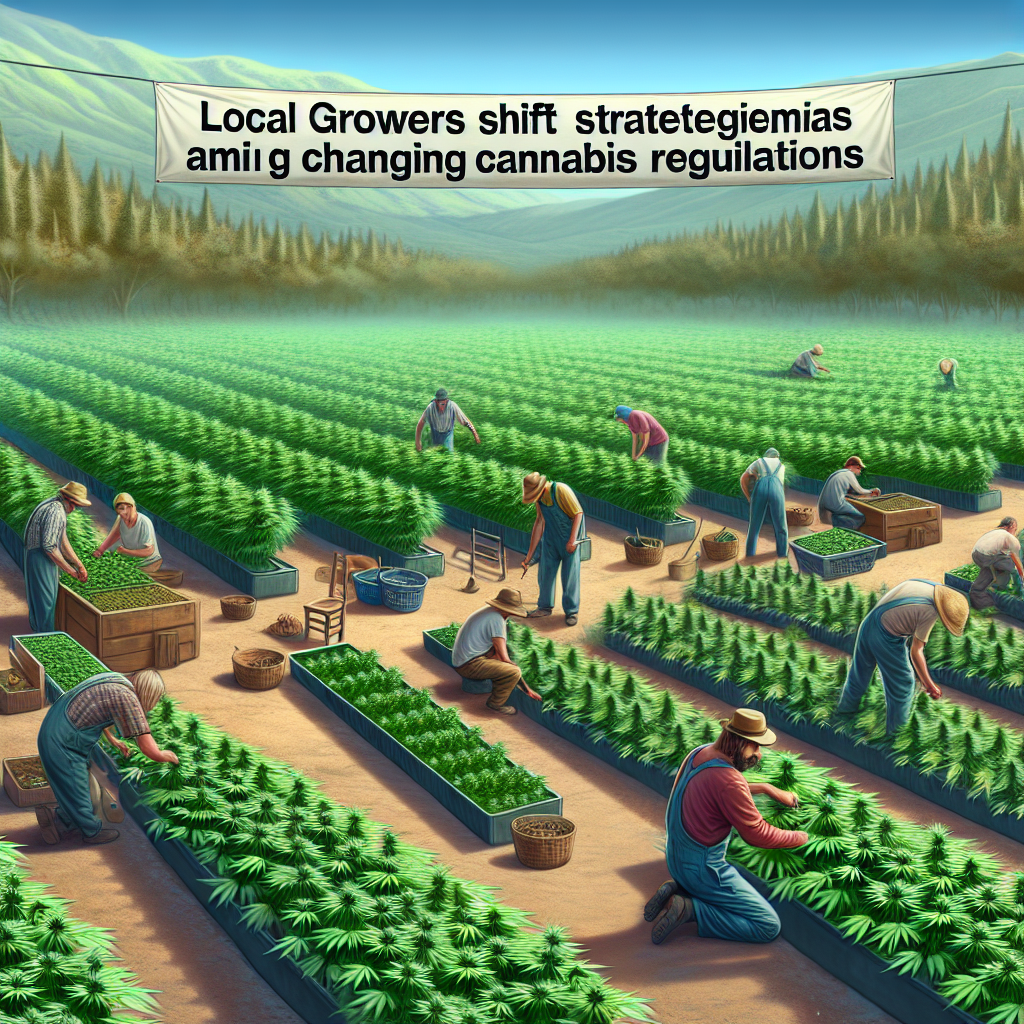
The landscape of cannabis cultivation in the United States is undergoing a profound transformation as local growers adapt to an evolving regulatory environment. With the legalization of cannabis in numerous states, growers are navigating a complex web of federal, state, and local regulations that significantly influence their operations. This article explores the challenges and strategic shifts local cannabis cultivators are undertaking to thrive in this dynamic industry.
The Regulatory Landscape: A Complex Web
Cannabis remains classified as a Schedule I substance under the federal Controlled Substances Act, creating a unique regulatory framework for cultivators. This federal stance complicates banking, interstate commerce, and research efforts, forcing businesses to operate within a gray legal area that increases compliance risks. (highscience.com) At the state level, regulations vary widely, with each state establishing its own rules for cultivation, testing, packaging, and sales. For instance, California’s cannabis policy, effective January 1, 2025, introduces significant changes aimed at enhancing consumer experiences and streamlining business operations. (en.wikipedia.org) Local municipalities further influence the industry through zoning laws and ordinances, often imposing additional restrictions or fees on cannabis businesses. In Massachusetts, for example, local governments have been known to charge excessive fees to cannabis businesses, a practice that has been difficult to regulate despite state reforms. (axios.com)
Challenges Faced by Local Growers
The intricate regulatory environment presents several challenges for local cannabis cultivators. Compliance costs are substantial, encompassing expenses related to security measures, testing protocols, and legal consultations. Additionally, the federal prohibition of cannabis restricts access to traditional banking services, compelling many businesses to operate on a cash basis and increasing the risk of theft and fraud. (highscience.com) Marketing and advertising restrictions further limit growers’ ability to promote their products, often forcing them to rely on word-of-mouth and local sponsorships. Moreover, the lack of regulatory alignment across states imposes expensive barriers to market entry, as differing state and local laws require businesses to adapt to a patchwork of regulations. (news.bloomberglaw.com)
Strategic Shifts and Adaptations
In response to these challenges, local growers are implementing various strategies to remain competitive and compliant. Embracing sustainability has become a focal point, with many cultivators adopting energy-efficient practices and water conservation techniques to meet environmental regulations and appeal to eco-conscious consumers. For example, New York State has mandated that licensed cultivators submit annual sustainability plans, encouraging practices like using LED lighting and reducing water usage. (spectrumlocalnews.com) Financially, growers are exploring alternative banking solutions and forming cooperatives to share resources and reduce costs. Some are also diversifying their product lines to include value-added products, such as edibles and concentrates, to increase revenue streams. Additionally, staying informed and adaptable to regulatory changes is crucial; for instance, California’s new cannabis policy introduces several significant changes aimed at enhancing consumer experiences and streamlining business operations. (en.wikipedia.org)
The Future Outlook
The future of local cannabis cultivation in the United States hinges on several factors, including potential federal legalization, evolving state regulations, and market dynamics. Federal legalization could provide a more consistent regulatory framework, potentially easing some of the challenges faced by cultivators. However, this shift may also introduce new complexities, such as increased competition and the need for compliance with federal standards. State and local regulations will continue to play a pivotal role, with municipalities having the authority to impose additional restrictions or fees on cannabis businesses. For example, Delaware’s Governor recently vetoed a bill aimed at relaxing local zoning restrictions on marijuana businesses, highlighting the ongoing tension between state and local governance in the cannabis industry. (apnews.com)
Conclusion
Local cannabis growers are at the forefront of a rapidly evolving industry, navigating a complex and often challenging regulatory landscape. Their ability to adapt through strategic planning, sustainability initiatives, and financial innovation will determine their success in this burgeoning market. As the industry continues to mature, ongoing dialogue between federal, state, and local authorities, along with active engagement from cultivators, will be essential in shaping a regulatory environment that supports both compliance and growth.
Recent Developments in Cannabis Regulations Affecting Local Growers:
- Why Mass. struggles to rein in local fees for cannabis businesses
- Gov. Meyer vetoes bill to loosen marijuana zoning regulations in Delaware
- Growers and processors selected through a lottery for Kentucky’s start-up medical cannabis program
[ad_2]