

 By
By [ad_1]
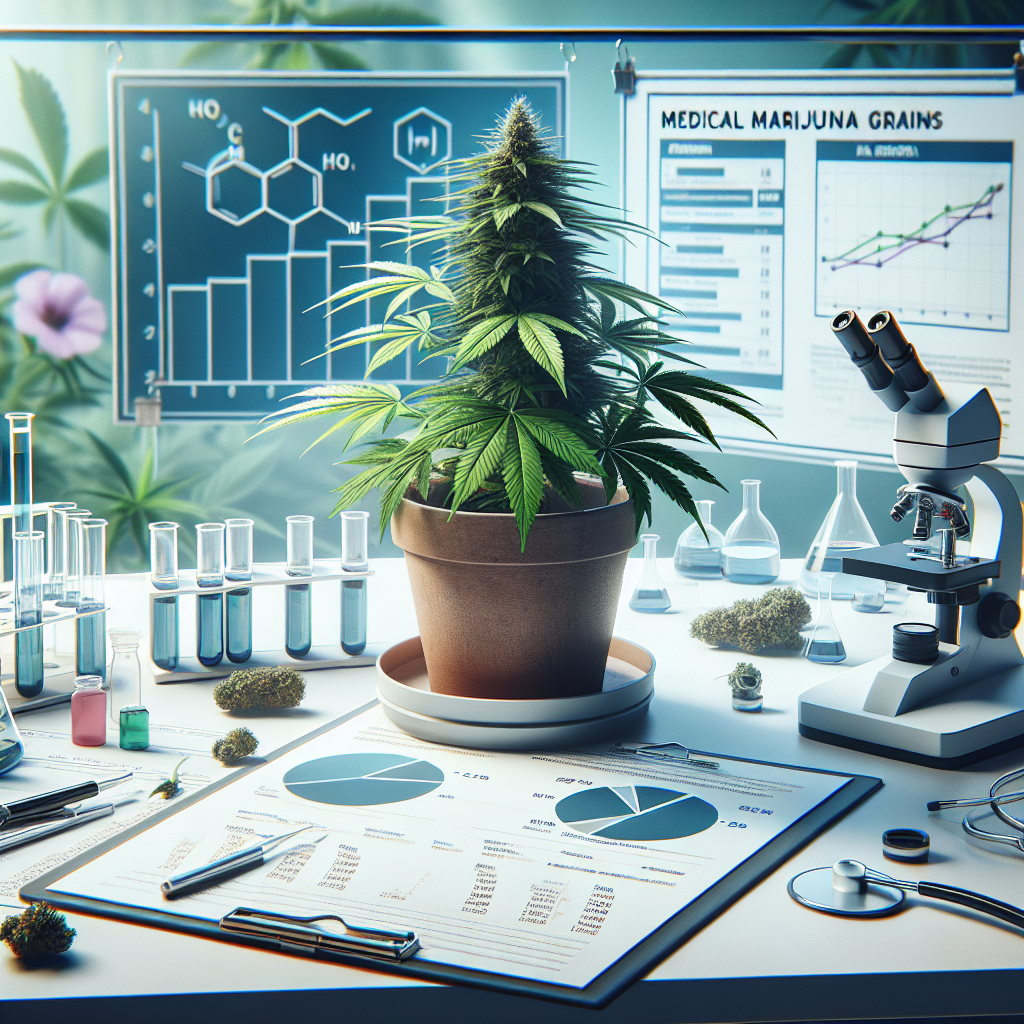
Over recent years, the conversation surrounding medical marijuana has shifted significantly, capturing the attention of lawmakers, medical professionals, and the public alike. As more states legalize its use for therapeutic purposes, researchers are increasingly examining its potential benefits and impacts. This burgeoning interest is not only reshaping societal perceptions but also laying the groundwork for a new era of cannabis-related medical science in the United States.
At the heart of this evolving narrative is the changing legal landscape. Currently, 37 states, along with the District of Columbia, have enacted laws allowing the medical use of marijuana. The shift from prohibition to acceptance has been propelled by advocacy from patients seeking relief from chronic conditions, as well as growing recognition of the need for scientific inquiry into the compound’s properties. In a country where one in ten adults reports having used cannabis, the demand for rigorous research is now more critical than ever.
The increased regulation surrounding medical marijuana has opened new avenues for research. In the past, the lack of legal frameworks hindered clinical trials, limiting scientists’ ability to study cannabis effectively. However, new legislation, such as the 2018 Farm Bill, has not only legalized hemp-derived CBD but has also encouraged research into other cannabinoids. This law has helped to de-stigmatize cannabis research, allowing institutions to explore its therapeutic potential more freely.
Recent studies have demonstrated that medical marijuana can provide significant relief for various ailments. A 2020 report from the National Academy of Sciences, Engineering, and Medicine highlights that cannabis has been effective in treating chronic pain, spasticity associated with multiple sclerosis, and chemotherapy-induced nausea. This evidence has catalyzed greater acceptance within the medical community, leading to more healthcare providers recommending cannabis as part of comprehensive treatment plans. Experts suggest that as the body of research grows, it may lead to more refined applications, such as targeted therapies for specific conditions.
One of the most exciting areas of exploration is the potential of cannabis in mental health treatment. Conditions such as anxiety and post-traumatic stress disorder warrant serious consideration when it comes to therapeutic cannabis use. Preliminary findings indicate that certain cannabinoids may serve as effective alternatives to traditional psychiatric medications, which often come with significant side effects. This realization is particularly compelling in a climate where mental health challenges are increasingly prevalent, especially post-COVID-19.
Despite this promise, the expansion of medical marijuana research is not without challenges. Stigma still exists, both socially and within institutions, presenting hurdles for researchers aiming to conduct studies. Limited access to quality cannabis for research purposes has also created a barrier, as many studies rely on government-approved sources that may not reflect the diversity found in legal cannabis markets. As scientists advocate for less restrictive regulations, the hope is that future research will provide more comprehensive insights into the full spectrum of cannabis’s effects.
Furthermore, the ongoing debates around the regulation of cannabis and its therapeutic uses reflect broader societal struggles over drug policy. Proponents argue that easing restrictions boosts health options for patients, while opponents often focus on potential public health risks. These contrasting viewpoints contribute to a complex dialogue surrounding cannabis legalization and the ethical considerations involved in its use.
Innovative initiatives are emerging to enhance understanding and integration of medical marijuana into healthcare systems. Collaboration between universities, medical organizations, and cannabis companies is becoming increasingly prevalent. For example, some academic institutions are developing specialized educational programs to equip healthcare professionals with the appropriate knowledge about cannabis, thereby allowing for informed discussions with patients. This proactive approach promises to bridge gaps in understanding and better align medical practices with evolving evidence.
In recent months, notable strides have also been made at the federal level. The Biden administration has signaled a willingness to reconsider cannabis’s status, focusing on decriminalization and broader access to research. Such federal responsiveness could accelerate developments in medical marijuana research, leading to more robust policies that support both patients and healthcare providers. As the political landscape around cannabis continues to evolve, researchers remain hopeful for an era of recognition and acceptance.
In conclusion, as medical marijuana gains ground in the United States, the convergence of legislation, research, and public opinion reflects a significant evolution in societal attitudes toward cannabis. The promise of medical marijuana as a viable treatment option is blossoming amid an expanding landscape of research that is finally beginning to unpack its potential. As the dialogue surrounding cannabis evolves, so too does the collective understanding of its role in modern medicine. Looking ahead, the imperative remains clear: continued research, advocacy, and education are vital to unlocking the full potential of medical marijuana for the benefit of diverse patients across the country. With ongoing efforts aimed at understanding cannabis better, there is a hope that it can become a flourishing component of patient care that many have long sought.
[ad_2]