 By
By [ad_1]
Navigating New Cannabis Regulations in Different States in the United States
Over the past decade, the landscape of cannabis regulations across the United States has undergone a significant transformation. As of 2023, a majority of states have either legalized or decriminalized cannabis for medical or recreational use, creating a patchwork of laws that can be challenging to navigate. These regulations vary dramatically from state to state, shaping everything from cultivation to distribution and consumer use. Understanding this complex web is essential for consumers, industry players, and policymakers alike as they grapple with the implications of rapidly evolving legislation.
The Current State of Cannabis Legalization
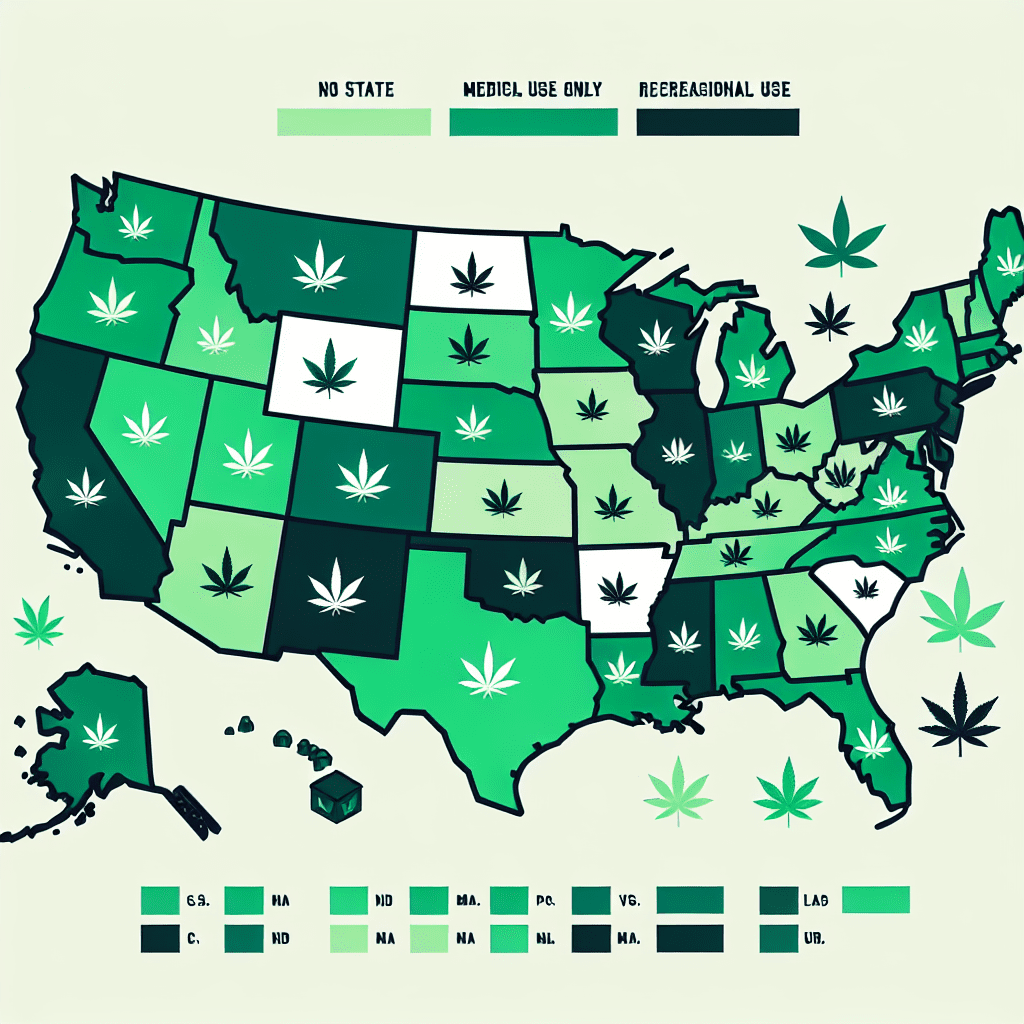
As of 2023, 21 states have legalized recreational cannabis, while 37 states permit its medical use. Notable states in this trend include California, Colorado, and New York, which have established robust frameworks around cultivation, distribution, and retail sales. For example, New York’s cannabis market officially opened in late 2022, and the state has implemented a prioritization system aiming to assist individuals impacted by past cannabis criminalization. This approach indicates an evolving standard in cannabis regulation that factors in social equity alongside economic considerations.
In contrast, states like Texas and Idaho remain resistant to such legalization efforts. In Texas, for instance, only CBD products with less than 0.3% THC are legal, making the potential for a thriving cannabis industry almost non-existent. Legislative efforts to expand access have been met with significant pushback, highlighting how cultural attitudes and political climates can severely limit the reach of cannabis reform. Here, one can observe the stark division between states that view cannabis as a potentially lucrative economic sector and those that cling to more conservative perspectives rooted in historical stigma.
The Impact of Regulation on the Cannabis Industry
The consequences of these regulations stretch far beyond legality. Cannabis businesses face numerous obstacles regarding compliance, taxation, and market entry. States like Illinois have implemented high sales taxes on cannabis products— up to 30%—which has led to disparities in pricing and accessibility. As a result, many consumers still turn to the black market, undermining the intended goals of legalization, such as reducing crime rates and providing safe access to cannabis products.
Moreover, state regulations on THC content, packaging, and marketing significantly influence how companies operate. For instance, California mandates child-resistant packaging for all cannabis products, impacting production costs and logistics. This kind of regulation not only determines how businesses function but also how consumers interact with products. The result is a highly regulated industry that requires sophisticated operational knowledge.
Understanding Consumer Protections and Rights
For consumers, navigating the regulatory environment can also be fraught with confusion. States have different age restrictions, purchase limits, and guidelines around where cannabis can be used. In Colorado, individuals can possess up to one ounce of marijuana and consume it wherever tobacco use is allowed, whereas in states like New York, consumption is limited to private residences. These variations create a disjointed experience for consumers, especially those who travel often across state lines.
In addition, states are increasingly implementing consumer protection legislation. For example, Massachusetts recently introduced strict labeling requirements on cannabis products, helping consumers make informed choices. These laws aim to guard against misleading marketing practices and ensure product safety, thus enhancing consumer trust. However, the burden of navigating these differing legal landscapes often falls on the consumer, leading to potential legal pitfalls that can arise from simple misunderstandings.
Real-Time Trends and Industry Innovations
One significant trend that has emerged in response to evolving cannabis regulations is the focus on technology and innovation in the industry. States like Michigan and California are leading the way in integrating advanced agricultural technologies—from sensory data collection to automated growth systems—to optimize the cultivation of cannabis. These innovations not only streamline operations but also help compliance with strict state regulations regarding environmental impacts and product safety.
Furthermore, many companies now leverage blockchain technology to enhance product tracking and accountability. This innovation addresses consumer concerns regarding the authenticity of products and origin, ensuring that they are receiving what they have paid for. As the cannabis market grows, transparency will likely become an essential element in fostering consumer confidence.
The Road Ahead: Future Implications of Cannabis Regulations
Looking forward, the future of cannabis regulation in the United States will likely continue to evolve. As more states shift toward legalization, the normalization of cannabis will often intersect with ongoing issues such as criminal justice reform and health care policy. Federal legislation remains a contentious issue, with proposed bills to decriminalize or reschedule cannabis currently stalled in Congress. The potential for federal legalization introduces a host of new considerations for states—ranging from the establishment of uniform compliance standards to tax implications for businesses operating across state lines.
For those involved in the cannabis industry, adapting to changing regulations will be crucial for sustainability and growth. Stakeholders, from producers to consumers, must remain informed about not only their state laws but also the broader national conversations surrounding cannabis legislation to navigate the complexities effectively.
Conclusion
Navigating the diverse and evolving landscape of cannabis regulations in the United States requires awareness, adaptability, and active participation in ongoing discussions. As states grapple with the legacy of prohibition and the implications of legalization, opportunities and challenges will persist. Whether you are a consumer, an entrepreneur, or a policymaker, understanding the intricacies of this landscape remains vital. As we look ahead, it’s crucial to ponder how equitable and sustainable cannabis laws can shape not just industry profits but also social outcomes. The path to coherent, comprehensive legislation is fraught with challenges but equally filled with potential. Everyone has a role to play in this unfolding narrative.
[ad_2]