

 By
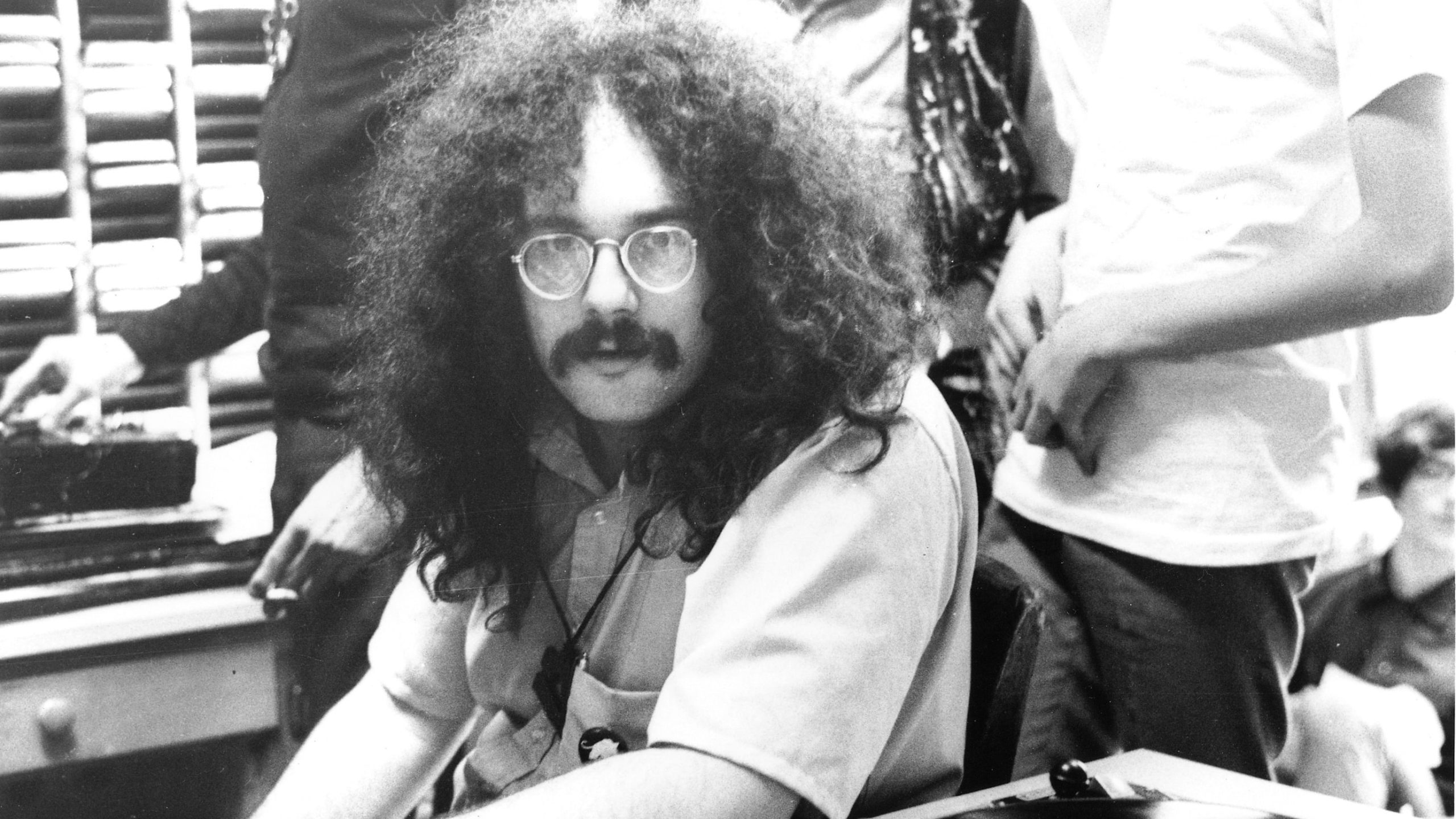
By Political activist, icon and poet John Sinclair, 82, passed away Tuesday morning from congestive heart failure. If Sinclair doesn't Ann Arbor Hash Bash Show your support for marijuana reform in Michigan this Saturday.
Sinclair joined leaders like Allen Ginsberg and Ed Sanders in advocating for the legalization of marijuana in 1965. Besides poetry, he managed his MC5 (Motor City Five), worked in radio, and co-founded a series of underground publications. He later co-founded the anti-racist White Panther Party, an offshoot of the Black Panther Party, and became associated with the radical activist group the Yippies. His anti-Vietnam war actions drew the attention of the CIA, FBI, and other law enforcement agencies.
The first few calls I made to John Sinclair and his ex-wife Leni Sinclair, I found that a general distrust of the media persisted. The media, like many things, can be controlled by the government. high times I was assigned to interview Sinclair for the January 2022 Advocacy issue. It followed the previous year's 50th anniversary of the John Sinclair Freedom Rally, which led to the annual Ann Arbor Hash Bash in Michigan.
“I began advocating for the legalization of marijuana in Michigan in January 1965,” Sinclair said. high times “The only active supporters of legalization at the time were Allen Ginsberg and Ed Sanders, a San Francisco lawyer who drafted a legal brief supporting legalization that I used in my legal battle. .”
We also reached out to Sinclair's ex, Leni, to provide us with some of her rare photographs documenting the 60s and 70s. (former high times Editor-in-chief John Holmstrom also interviewed Sinclair in the July 1988 issue. high times(as an activist described NORML's lobbying efforts and operations in Ann Arbor).

Sinclair is remembered for being sentenced by Judge Robert Colombo in 1969 to 10 years in prison on two joint charges. Federal investigators used simple drug charges as a way to remove Mr. Sinclair, whom they considered a threat to national security. Sinclair represented the militant, tactical wing of the counterculture movement during the Summer of Love.
Older people remember some of the milestones of Woodstock. That's when Janis Joplin wowed the audience by appearing late on stage with her Cosmic Blues Band. Or when John Sebastian from The Lovin' Spoonful announced he was having a baby. Or maybe Jimi Hendrix's iconic ending performance of the national anthem. Some remember the not-so-subtle cries against politically motivated marijuana prisoners. On August 16, 1969, midway through The Who's set, radical activist Abbie Hoffman pulled up the microphone and shouted, “Free John Sinclair! Free John Sinclair!” All the other political prisoners too! ! ” In front of the festival's nearly 500,000 people, Pete Townshend politely escorted them off stage. (Hoffman was played by Sacha Baron Cohen in the 2020 film) The Trial of the Chicago Seven. )
John Sinclair Freedom Rally and Ann Arbor Hash Bash
In 1971, Sinclair's brutal sentence drew support from some of the year's greatest artists, who performed at Sinclair's Freedom Rally in Ann Arbor, Michigan.
Performers included John Lennon, Yoko Ono, Stevie Wonder, Bob Seger, David Peel, Allen Ginsberg, and Ed Sanders, all of whom attended the original rally on December 10, 1971. I played it. The FBI conducted surveillance of Mr. Sinclair, John Lennon, and others who attended the 1971 rally. Sinclair said the FBI's surveillance was at the behest of then-President Richard Nixon, who wanted William Rehnquist to be the future chief justice of the Supreme Court. “Nixon made Trump look like Mahatma Gandhi!” Sinclair said. high times In 2021.
Artists like John Lennon were fed up with Sinclair's ruling on a little weed. We ended up purchasing some great photos from Sinclair's ex Leni for the interview, including shots of John Lennon, Yoko Ono, and Allen Ginsberg.
“It's not fair, John Sinclair. I was hiding on the stairs to get some air,” Lennon sings in the song “John Sinclair,” which is a unique take on the political realm, particularly cannabis prisoners. It shows a change in tone. “He gave him a two-for-ten. What else could Judge Columbo do?!” The lyrics were later changed and Columbo's name was removed.
“John Sinclair” was a cross between a blues banger and a political anthem, as Lennon kept repeating, “We gotta let him go.”
“What a wonderful man he was,” Sinclair said of John Lennon. “He got arrested for marijuana. They gave him a chance. He wanted to be hip. What was hip was politics and left-wing hippies. Jerry Rubin, Abbie Hoffman, Ed. – Sanders. Paul Kransner. That was hipper than rock and roll. They gave him an opportunity to do something really hip. He jumped on it. They paid for it themselves. It was amazing. Then Stevie Wonder called them and came down. He paid his expenses and the band's expenses as well. It was such a beautiful thing. If we were to do those every week, we'd be in different countries. That would have been the case. That's when the government got serious.”
Mr. Sinclair has written a column called “Free the Weed” since the '80s. He founded the John Sinclair Foundation in Amsterdam in 2004. On December 1, 2019, the first day of recreational sales in Michigan, Sinclair purchased approximately $150 worth of legal marijuana.
Is Sinclair the only one who has spent more than 10 years on two joints? There is a black man in Louisiana named Bernard Noble who initially committed to Louisiana's brutal “hard labor” in 2011. Based on the law, he was sentenced to 13 years in prison for possessing approximately two joints of marijuana.
Sinclair's legacy marks his fight against the establishment to legalize cannabis and establish peace.
