
 By
By [ad_1]
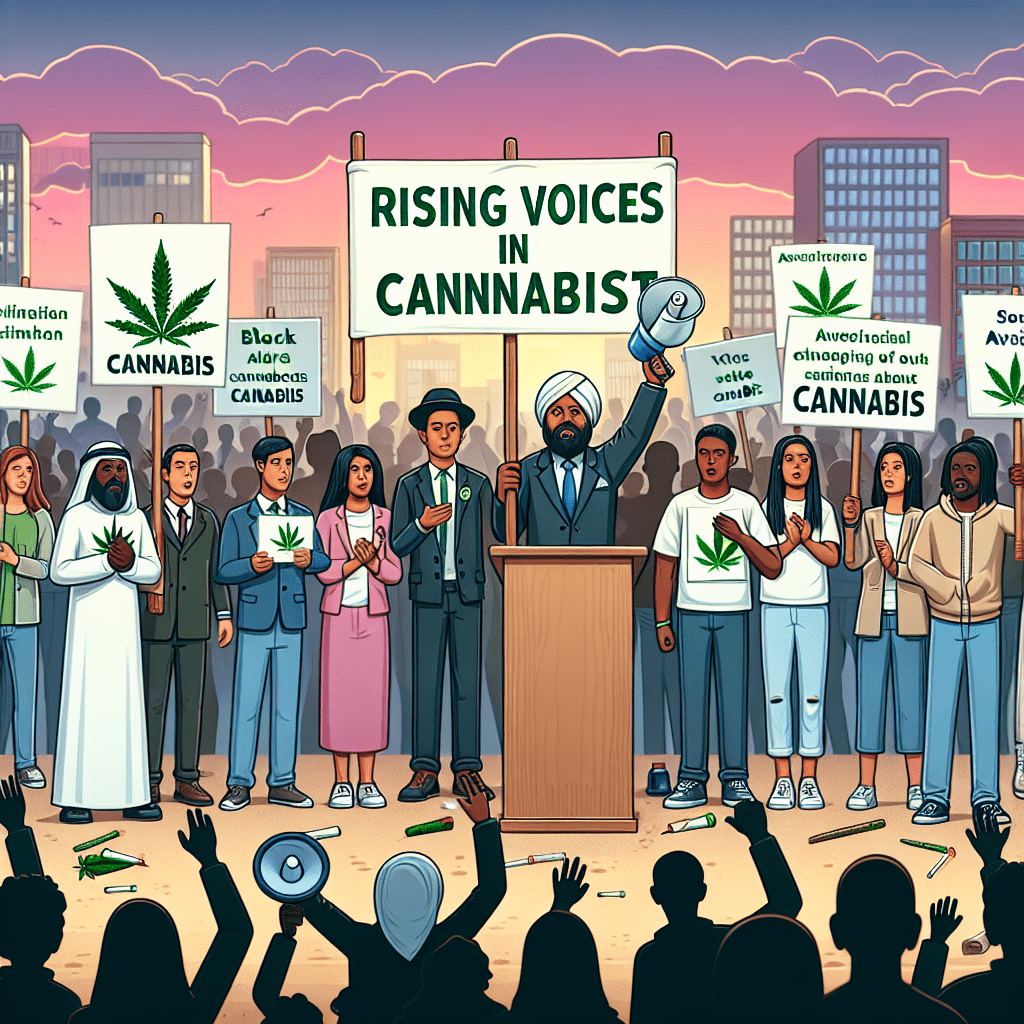
In recent years, the landscape of cannabis activism in the United States has undergone a profound transformation. A new generation of advocates is emerging, bringing fresh perspectives and innovative strategies to the forefront of the movement. These rising voices are not only challenging existing policies but are also reshaping the discourse around cannabis legalization, social equity, and industry practices.
One of the most significant developments in cannabis activism is the increasing involvement of women, particularly women of color, who are advocating for both legalization and equitable industry practices. Organizations like Women Grow, founded in 2014, have been instrumental in promoting female leadership within the cannabis sector. Their mission to make the legal cannabis industry the first billion-dollar industry led by women has inspired many to join the cause. Leaders such as Dr. Chanda Macias, the CEO of Women Grow, have been pivotal in this movement, emphasizing the importance of diversity and inclusion in the burgeoning cannabis market. (en.wikipedia.org)
In addition to organizational efforts, individual activists are making significant strides. Wanda James, for instance, became the first African American woman to own a legally licensed dispensary in the United States. Her work not only challenges the racial disparities in cannabis-related arrests and convictions but also serves as a beacon for aspiring entrepreneurs from marginalized communities. James’s advocacy underscores the need for social equity programs that address the historical injustices associated with cannabis prohibition. (en.wikipedia.org)
Labor rights within the cannabis industry have also become a focal point for activists. In September 2025, workers at Exclusive Brands, a dispensary in Ann Arbor, Michigan, initiated a strike to unionize under the United Food and Commercial Workers (UFCW) union. The employees cited unfair labor practices, including the dismissal of a pro-union colleague and the company’s attempts to block a union election. This action highlights the growing demand for fair wages, workplace safety, and the right to organize within the rapidly expanding cannabis industry. (axios.com)
On the legislative front, activists are influencing significant policy changes. In May 2025, the Pennsylvania House approved a bill to legalize recreational marijuana for adults aged 21 and over. This landmark decision, driven by persistent advocacy, aims to create a regulated cannabis market that generates jobs and addresses the thousands of simple possession arrests recorded in the previous year. The proposed legislation also includes provisions for expunging marijuana-related convictions and funding substance abuse programs, reflecting a comprehensive approach to cannabis reform. (apnews.com)
At the federal level, the conversation around cannabis policy is evolving. President Donald Trump has expressed interest in reclassifying marijuana under federal law, potentially moving it from a Schedule I to a Schedule III substance. Such a reclassification would reduce criminal penalties and offer tax relief to cannabis businesses, aligning federal policy more closely with the growing public support for legalization. This potential shift underscores the impact of sustained activism on national policy discussions. (time.com)
Indigenous communities are also making significant strides in cannabis policy. In September 2023, the Eastern Band of Cherokee Indians voted overwhelmingly in favor of legalizing recreational marijuana on their tribal lands in North Carolina. This decision not only marks a historic first in the state but also sets a precedent for other Indigenous communities considering similar measures. The revenue generated from legal cannabis sales is expected to fund essential services such as housing, healthcare, and education, demonstrating a strategic approach to economic development and self-determination. (en.wikipedia.org)
Despite these advancements, challenges remain. The proliferation of intoxicating hemp-derived products like Delta-8 THC has prompted both federal and state governments to intensify regulatory efforts. Concerns over safety, inadequate regulation, and the appeal of these products to minors have led to proposed legislative changes aimed at closing legal loopholes and ensuring consumer protection. Activists are closely monitoring these developments to advocate for balanced policies that protect public health without stifling industry innovation. (reuters.com)
The rise of diverse voices in cannabis activism reflects a broader societal shift towards inclusivity, equity, and justice. These advocates are not only pushing for the legalization of cannabis but are also striving to ensure that the emerging industry addresses historical injustices and provides opportunities for all. As the movement continues to gain momentum, the contributions of these rising voices will undoubtedly shape the future of cannabis policy and industry practices in the United States.
Recent Developments in Cannabis Activism and Policy:
- Cannabis workers strike to form union in Ann Arbor
- Is the Trump Administration Considering Softening Laws on Cannabis?
[ad_2]