 By
By The debate over cannabis legalization in the United States has been a contentious issue for decades. As of 2023, a significant number of states have moved to legalize cannabis for either medical or recreational use, while federal law continues to categorize cannabis as a Schedule I substance under the Controlled Substances Act. This creates a complex landscape marked by conflict, confusion, and a burgeoning industry that operates in a precarious legal environment. This article explores the dichotomy between state and federal legalization efforts, the implications of this ongoing struggle, and potential pathways forward.
The Current State of Cannabis Legalization
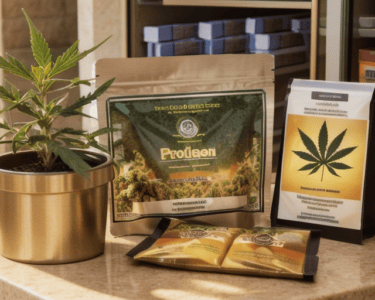
As of late 2023, marijuana has been legalized for adult recreational use in 23 states and the District of Columbia, while 38 states have provisions for medical use. The acceptance of cannabis has transformed from being a taboo topic to a flourishing industry. In states like California, Colorado, and Illinois, cannabis dispensaries have become commonplace, generating tax revenue and creating jobs. The legal cannabis market is projected to exceed $30 billion by 2025, showcasing its economic potential.
However, this progress at the state level stands in stark contrast to federal law, which currently classifies cannabis as having no accepted medical use and a high potential for abuse. This federal prohibition not only complicates state regulations but also contributes to a myriad of legal complexities for cannabis businesses and consumers alike.
The Legal Conflicts
The divide between state and federal law results in various legal conflicts. For example, federal law enforcement agencies, such as the Drug Enforcement Administration (DEA), maintain the authority to raid and close down state-legal cannabis operations, although they have generally opted not to do so in states that have legalized marijuana. This selective enforcement creates an environment of uncertainty for businesses operating within legal state frameworks.
Moreover, the disconnect limits cannabis-related businesses from accessing banking services. Most major banks are hesitant to serve cannabis operations due to the risk of federal penalties, forcing many cannabis companies to operate on a cash-only basis. This lack of access to financial services not only complicates daily operations but also affects investment opportunities, public safety, and transparency in the industry.
The Public Opinion Shift
Public opinion on cannabis has undergone a significant transformation over recent years. In polls conducted by Gallup and Pew Research Center, support for legalization has surged to around 68% of Americans. This shift is largely fueled by changing societal attitudes toward drug use, a growing acceptance of cannabis’s medicinal benefits, and increasing awareness of the racial injustices tied to cannabis enforcement.
The calls for legalization are not merely rooted in personal preference; they also extend to economic and social justice arguments. Proponents argue that legalizing cannabis can contribute to economic growth, create jobs, and address the discrepancies of past cannabis prohibition, which disproportionately affected communities of color.
Legislative Efforts at the Federal Level
While multiple states have successfully legalized cannabis, efforts at the federal level have been slow. In 2022, the House of Representatives passed the MORE Act, which aimed to decriminalize cannabis at the federal level, but the bill failed to gain sufficient traction in the Senate. Other alternatives, such as the SAFE Banking Act, which seeks to provide federal protections for banks that serve cannabis businesses, have also struggled to find their way through Congress.
Although anti-marijuana sentiment still has a foothold in Washington, President Biden’s administration has shown signs of a willingness to reconsider cannabis policy. In late 2022, President Biden announced a federal review of cannabis scheduling and pardoned individuals with federal convictions for simple cannabis possession. However, more comprehensive legislative reform remains elusive.
The Path Forward
Several pathways may lead to resolving the conflict between state and federal cannabis laws. One promising option is federal decriminalization or rescheduling of cannabis, which would alleviate many of the legal barriers currently facing both consumers and businesses. Advocates of legalization argue that making cannabis a legal substance can allow for better regulation, taxation, and quality control, as well as mitigate issues related to criminal justice and public safety.
Another avenue involves local activism and grassroots initiatives. As more communities become engaged in the dialogue surrounding cannabis legalization, local campaigns can exert pressure on state and federal lawmakers to align their policies with public sentiment. This engagement can manifest in various forms, from lobbying efforts to community discussions that emphasize the benefits of legalization.
Conclusion
The struggle for cannabis legalization in America reflects broader themes in American society—namely shifting values, the tension between state and federal governance, and the complexities of social justice. As states continue to push the envelope on cannabis policy, the federal government must navigate these changes with a focus on ensuring public safety, economic viability, and social equity.
The future of cannabis legalization hinges on the ability of lawmakers to harmonize legislation, educate the public, and implement reforms that reflect a rapidly evolving societal landscape. The path forward is still fraught with challenges, but as this debate continues, one thing is clear: the push for cannabis legalization is not just an issue of legality; it’s a movement poised to redefine societal norms in America.