
 By
By State vs. Federal: The Ongoing Tug-of-War Over Cannabis Legalization in the United States
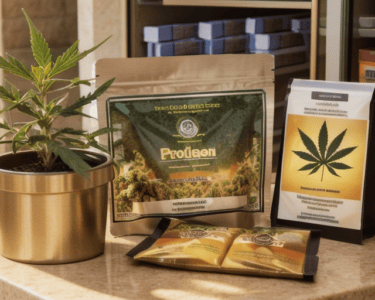
Cannabis legalization remains one of the most contentious issues in the American political landscape. Since California became the first state to legalize medical cannabis in 1996, a number of states have followed suit, embracing either medical or recreational use of cannabis. As of 2023, cannabis is fully legal for recreational use in 23 states and Washington D.C., with many others allowing medical cannabis. However, this burgeoning state-level legalization is being met with resistance at the federal level, where cannabis remains classified as a Schedule I substance under the Controlled Substances Act. This illicit classification not only criminalizes cannabis at the federal level but also creates an environment of uncertainty and conflict between state and federal law.
The Legal Framework: A Dual System
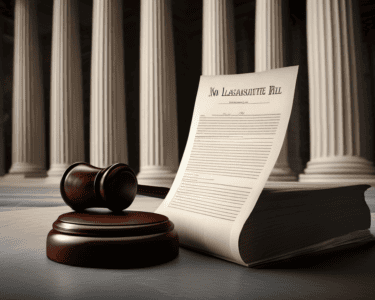
The crux of the cannabis legalization debate lies in the dual legal framework that governs the United States. The federal government maintains authority over drug regulation and controls via the Drug Enforcement Administration (DEA), which has consistently opposed legalization measures. The Scheduling of cannabis under the Controlled Substances Act, alongside substances such as heroin and LSD, creates a paradox for states that have opted to legalize cannabis in some form. This duality creates significant legal and financial hurdles for state-regulated cannabis businesses, particularly when it comes to banking, taxation, and interstate commerce.
State-level legalization often clashes with federal law, placing states in a difficult position. Law enforcement agencies can still penalize cannabis-related offenses and restrict access to federal resources. Moreover, the conflict undermines public health efforts and hinders research into potential medicinal uses of cannabis, as studies have shown that cannabis can alleviate certain medical conditions, from chronic pain to epilepsy.
The Current Landscape
As of 2023, cannabis legalization has gained considerable public support, with recent polls indicating that over 65% of Americans favor legalization. As more states enact their own cannabis laws, the federal government has started to face mounting pressure for reevaluation of its stance on cannabis. Advocates argue that more equitable laws would alleviate the burdens of prohibition, reduce racial disparities in arrests, and allow for better health management strategies.
Despite this, efforts to advance cannabis legalization at the federal level have seen mixed results. In 2021, the House of Representatives passed the Marijuana Opportunity Reinvestment and Expungement Act (MORE Act), which aimed to decriminalize cannabis and would enable states to determine their own laws without federal interference. However, the bill met resistance in the Senate and ultimately failed to make significant progress. As of late 2023, various proposals on cannabis reform are still being deliberated, but key hurdles remain.
State Initiatives: A Steadfast Movement
Despite the lack of federal movement, states have shown that they will continue to pave their own path regarding cannabis policy. In recent years, several states such as New York, Virginia, and New Mexico have enacted comprehensive cannabis programs, focusing not only on legality but also social equity measures designed to rectify historical injustices resulting from the War on Drugs. These states have created platforms aimed at reinvesting tax revenue from cannabis sales into communities disproportionately affected by past enforcement.
Furthermore, regions such as California and Colorado have established cannabis markets that have generated billions in tax revenue and numerous job opportunities. Local governments are increasingly becoming cognizant of the economic potential, recognizing cannabis as a source of revenue generation and economic revitalization.
The Federal Government’s Response
The Biden administration has adopted a more lenient approach toward cannabis policy, calling for a review of the classification of cannabis. Yet, concrete action has been slow, and many advocates remain frustrated by the lack of progress. Moreover, the continued conflict between state and federal regulations has created an environment where cannabis businesses face formidable challenges in accessing traditional banking services. The risk of federal prosecution also remains a concern for business owners who have steeped themselves in state legality.
In 2023, the introduction of the SAFE Banking Act signaled a step towards alleviating the banking concerns that plague cannabis businesses. The bill seeks to create a safe harbor for banks that conduct business with cannabis companies, allowing these institutions to offer essential financial services. However, the path to legal acceptance remains cluttered with obstacles, and broad reform remains elusive.
A Future Beyond Prohibition?
Looking ahead, the trajectory of cannabis legality in America remains uncertain. The ongoing conflict between state and federal law continues to cause friction, sparking debates on the effectiveness and ethics of the War on Drugs. Advocates assert that reform is necessary not just for economic reasons, but also for social justice and public health advancements.
As public perception evolves and more states embrace legalization, the federal government will eventually need to reconcile its position on cannabis. The ongoing negotiations and dialogues surrounding cannabis policy signal a possible path toward a reformed regulatory framework that recognizes states’ rights while also addressing the complex issues prompted by federal prohibition.
The tug-of-war over cannabis legalization encapsulates a broader struggle over states’ rights, individual liberties, and the role of government in regulating personal choice. While the federal landscape may remain resistant for now, the resilience and determination of states to pursue cannabis legalization reflect a transformative and rapid shift in public opinion that may one day tip the scales toward national reform. As advocates and lawmakers continue to fight for change, the story of cannabis legalization remains a dynamic chapter in American history, one that continues to unfold.