
 By
By [ad_1]
As the cannabis industry gains ground globally, the need for sustainable cultivation practices has gained significant attention. With the burgeoning market, the environmental footprint of cannabis farming has come under scrutiny. Innovative approaches to eco-friendly cultivation are not only essential for protecting natural resources but are also increasingly demanded by a conscious consumer base. Here, we explore some of the latest advancements and practices in sustainable cannabis cultivation.
Water Conservation Techniques
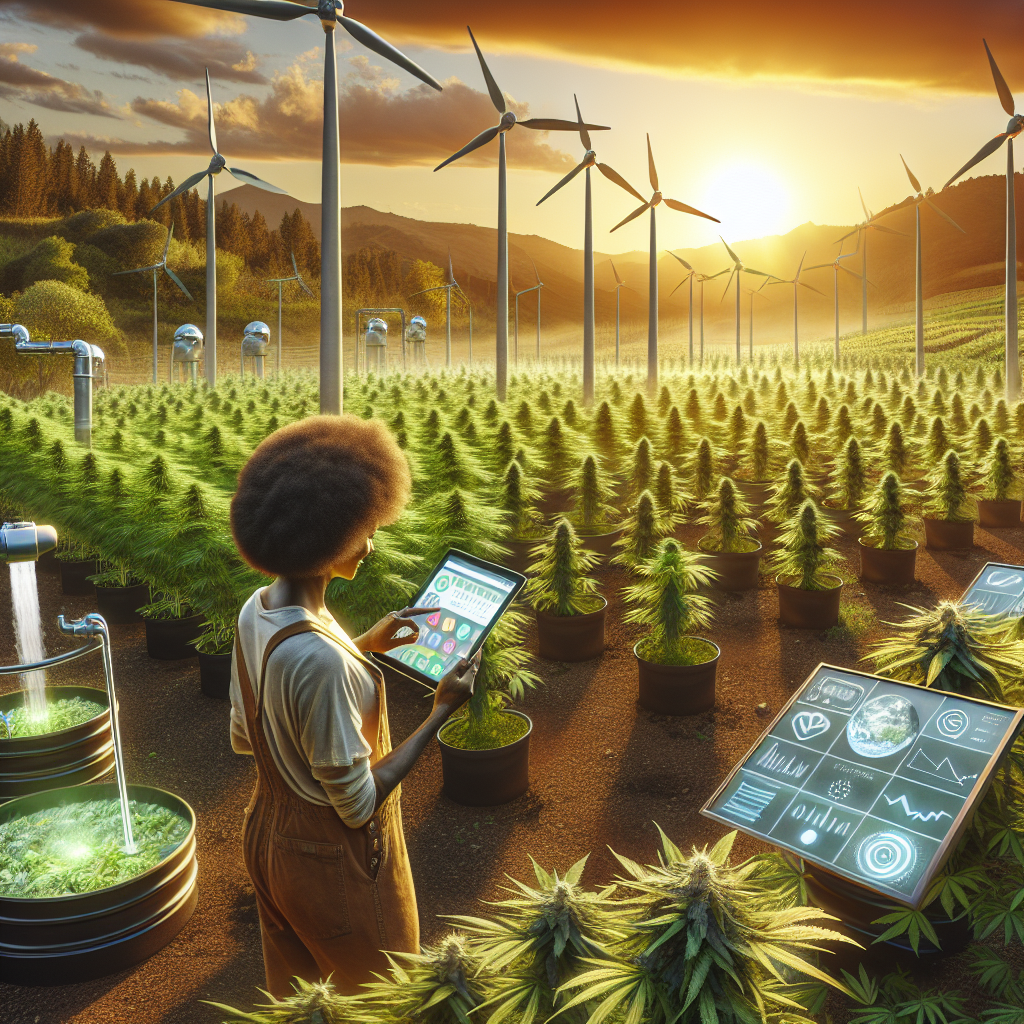
The cannabis plant requires a considerable amount of water to grow, making efficient water use critical in sustainable practices. Many cultivators are implementing advanced irrigation systems such as:
- Drip Irrigation: This technique delivers water directly to the roots, reducing evaporation and runoff.
- Rainwater Harvesting: Capturing and storing rainwater can significantly reduce the dependence on municipal water sources.
- Moisture Sensors: Smart sensors can accurately measure soil moisture, allowing farms to irrigate only when necessary.
Soil Health Practices
Healthy soil is the foundation of sustainable agriculture. Various practices are being adopted to improve soil health, including:
- Crop Rotation: This involves alternating the type of crop grown in a specific area to promote biodiversity and prevent soil depletion.
- Organic Amendments: Applying compost and organic fertilizers enhances soil fertility without synthetic chemicals.
- No-Till Farming: By minimizing soil disturbance, this method preserves soil structure and promotes microbial life.
Energy Efficient Operations
Indoor cannabis cultivation, while providing controlled environments, often relies on high energy consumption. New technologies are being introduced to reduce this footprint substantially:
- LED Lighting: LED lights use less energy and have a longer lifespan than traditional grow lights, significantly lowering energy costs.
- Solar Energy: Many farms are now utilizing solar panels to power their operations, promoting renewable energy usage.
- Energy-Efficient HVAC Systems: Advanced heating, ventilation, and air conditioning systems can drastically reduce energy consumption while maintaining optimal growing conditions.
Pest and Disease Management
Integrated pest management (IPM) strategies help growers minimize the use of harmful pesticides. Some sustainable practices in this area include:
- Biological Control: Introducing natural predators, like ladybugs for aphid control, can help manage pests without chemical interventions.
- Companion Planting: Cultivating specific plant varieties alongside cannabis can deter pests and enhance biodiversity.
- Soil and Plant Health Monitoring: Regular monitoring can help identify and mitigate disease early, limiting the need for pesticides.
Waste Reduction and Recycling
Waste management in cannabis cultivation is another critical sustainability aspect. Innovative practices include:
- Composting: Plant waste and by-products can be composted and returned to the soil as a nutrient-rich amendment.
- Recycling Materials: Growing containers, plastic pots, and packaging materials can often be recycled or repurposed, minimizing waste.
- Upcycling Practices: Enterprising growers are finding creative uses for waste products, turning what would be refuse into profitable products.
Conclusion
The cannabis industry is evolving, and as it does, the importance of sustainable cultivation practices is clear. Innovations in water conservation, soil health, energy efficiency, pest management, and waste reduction not only benefit the environment but also improve the quality of the products being offered. As consumers become more educated and conscientious about their purchasing decisions, growers who prioritize sustainability are likely to stand out in an increasingly crowded market. The future of cannabis cultivation lies in practices that respect the planet while meeting the needs of people.
Frequently Asked Questions (FAQs)
1. What are the benefits of sustainable cannabis cultivation?
Sustainable cannabis cultivation minimizes environmental impact, conserves natural resources, and produces high-quality cannabis that meets consumer demand for eco-friendly products.
2. How can I identify sustainably grown cannabis products?
Look for certifications such as organic labels, eco-friendly packaging, or companies that disclose their sustainable practices on labels or websites.
3. What is integrated pest management (IPM)?
IPM is a holistic approach to managing pests that combines biological control, habitat manipulation, and resistant varieties to minimize the reliance on chemical pesticides.
4. Do sustainable practices increase production costs?
While some sustainable practices may require initial investments, they often lead to long-term savings through improved efficiency and reduced input costs.
5. Can I grow cannabis sustainably at home?
Yes! Home growers can adopt sustainable practices such as using organic fertilizers, conserving water, and managing pests naturally to cultivate cannabis responsibly.
[ad_2]