

 By
By [ad_1]
The Future of Cannabis Research and Its Implications for Health in the United States
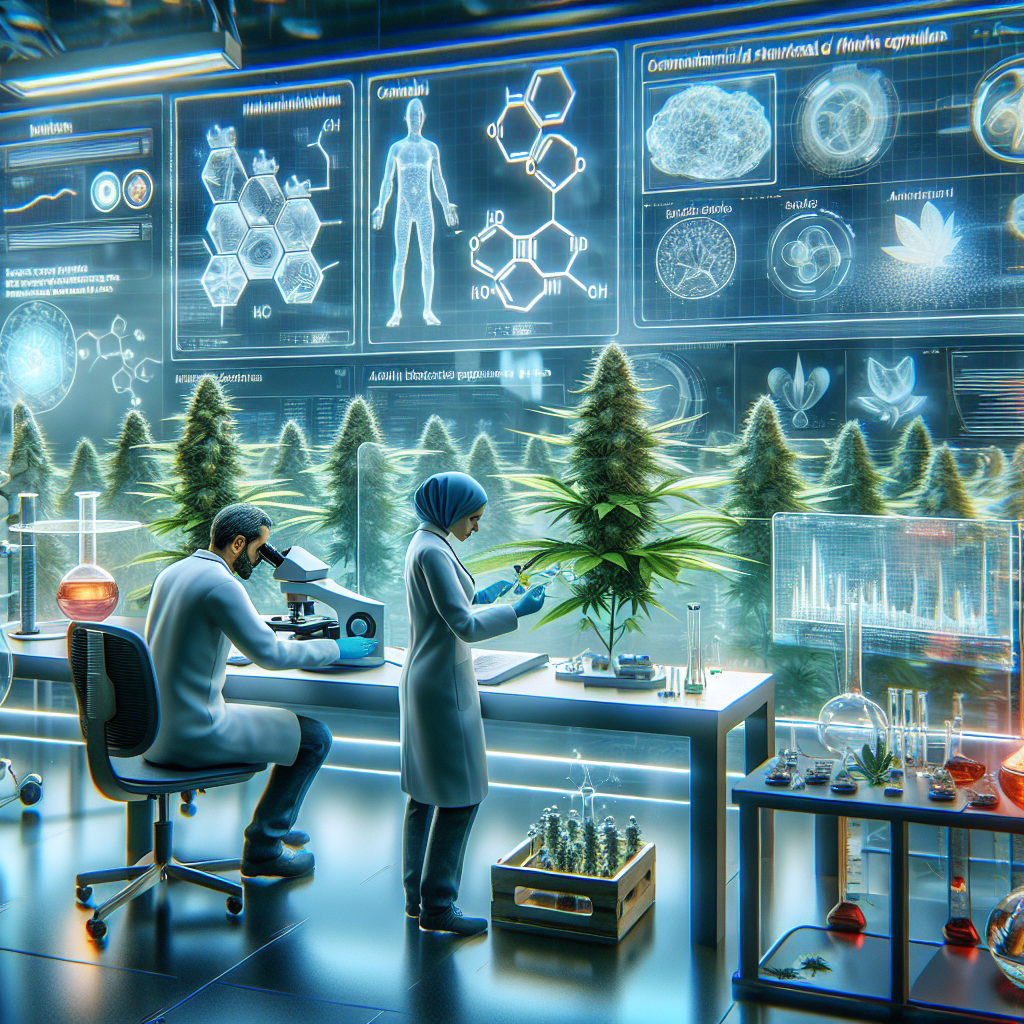
The landscape of cannabis use in the United States has undergone a profound transformation in recent years. With increasing legalization and societal acceptance, the need for comprehensive research into its health implications has never been more pressing. This article explores the current state of cannabis research, its potential health impacts, and the future directions of this critical field.
The Evolving Legal and Social Landscape
As of November 2025, cannabis has been legalized for medical use in 40 states and for recreational use in 24 states. This widespread legalization reflects a significant shift in public perception and policy. However, at the federal level, cannabis remains classified as a Schedule I substance under the Controlled Substances Act, indicating a high potential for abuse and no accepted medical use. This federal classification has historically hindered extensive research into cannabis’s health effects. (en.wikipedia.org)
Recent Legislative Developments
In a landmark move, the U.S. Justice Department proposed reclassifying marijuana from a Schedule I to a Schedule III substance. This proposal acknowledges the medical uses of cannabis and its lower abuse potential compared to substances like heroin and LSD. While this change does not legalize recreational marijuana use, it signifies a major shift in U.S. drug policy and could pave the way for more comprehensive research into cannabis’s medicinal properties. (apnews.com)
Advancements in Cannabis Research
The Medical Marijuana and Cannabidiol Research Expansion Act, enacted in December 2022, represents a significant step forward in cannabis research. This legislation facilitates the study of cannabis and its components, aiming to expand our understanding of its medical applications. Additionally, the Veterans Cannabis Analysis, Research, and Effectiveness (CARE) Act directs the Department of Veterans Affairs to conduct and support research on the efficacy and safety of medicinal cannabis for veterans diagnosed with conditions such as chronic pain and post-traumatic stress disorder (PTSD). (en.wikipedia.org)
Health Implications of Cannabis Use
Cannabis use has been associated with a range of health effects, both positive and negative. On the positive side, cannabis has been used to alleviate symptoms such as chronic pain, nausea, and anxiety. However, there are also significant health risks. The Centers for Disease Control and Prevention (CDC) highlights that cannabis use can impair brain function, affecting areas responsible for memory, learning, attention, decision-making, coordination, emotions, and reaction time. This is particularly concerning for adolescents, as the developing brain is especially susceptible to these effects. (cdc.gov)
Moreover, heavy cannabis use has been linked to cannabinoid hyperemesis syndrome, characterized by severe cycles of nausea and vomiting. This condition can lead to dehydration, electrolyte imbalances, and other serious health issues. Additionally, there is emerging evidence suggesting that cannabis smoke contains carcinogens similar to those in tobacco smoke, raising concerns about potential links to lung cancer. (cdc.gov)
The Rise of Cannabis Use Among Older Adults
Recent studies indicate a significant increase in cannabis use among older adults. From 2021 to 2023, cannabis use among adults aged 65 and older rose by nearly 46%, with 7% reporting usage in the past month by 2023. This trend is concerning given the potential for drug interactions and the lack of research on cannabis’s effects in older populations. Geriatricians are calling for more research and improved education for both clinicians and patients regarding marijuana use in older adults. (axios.com)
The Need for Comprehensive Research
Despite the growing prevalence of cannabis use, there remains a significant gap in comprehensive research on its health effects. The reclassification of cannabis to Schedule III could facilitate more rigorous studies, leading to a better understanding of its medicinal properties and potential risks. Such research is crucial for developing evidence-based guidelines for medical use and informing public health policies.
Conclusion
The future of cannabis research holds promise for unraveling the complexities of its health implications. As legislative barriers continue to diminish, opportunities for scientific inquiry expand, offering hope for therapeutic applications and a clearer understanding of associated risks. However, it is imperative that this research is conducted responsibly, with attention to the diverse populations affected by cannabis use. Only through comprehensive and inclusive studies can we hope to harness the benefits of cannabis while mitigating its potential harms.
Recent Developments in Cannabis Research and Legislation:
- Justice Department formally moves to reclassify marijuana as a less dangerous drug in historic shift
- US unveils proposal to ease restrictions on marijuana
- Seniors’ marijuana use reaches new high
[ad_2]