
 By
By [ad_1]
The Intersection of Cannabis and Criminal Justice Reform in the United States
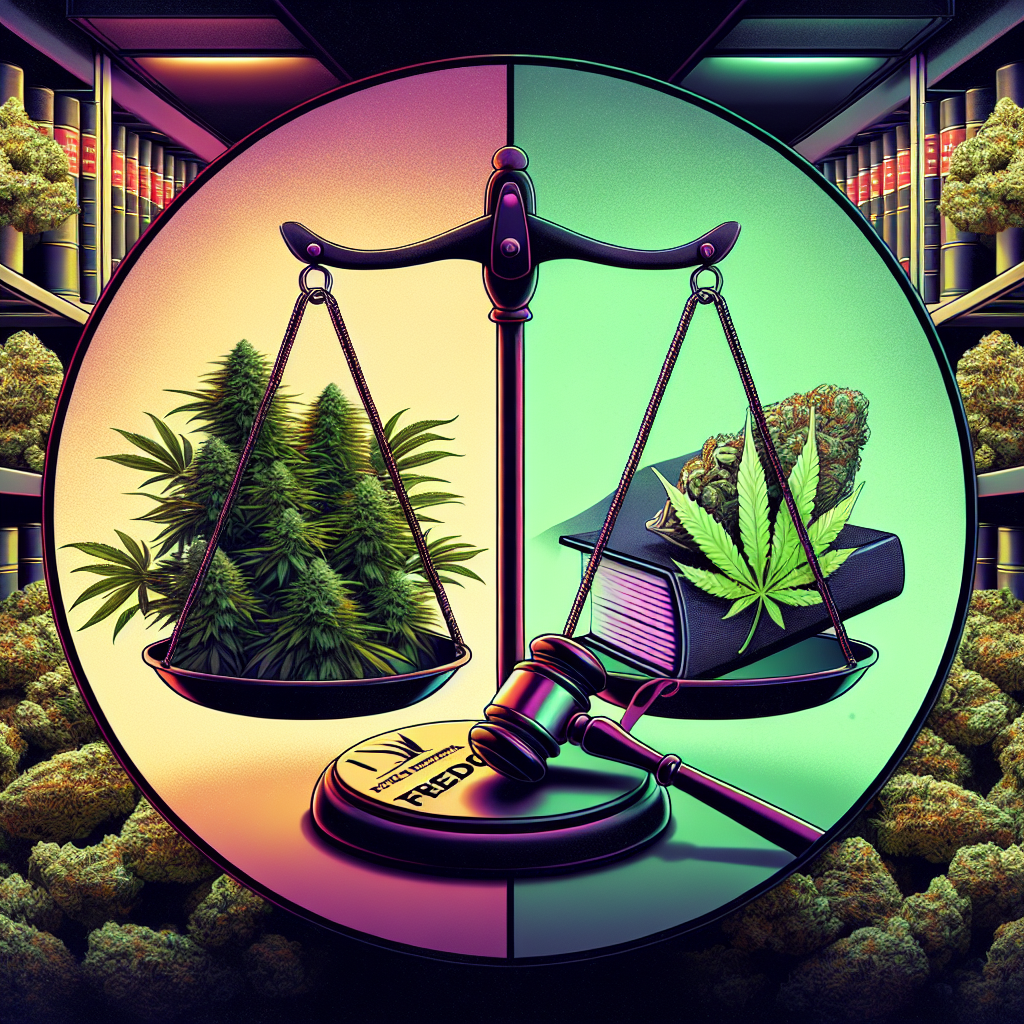
The evolving landscape of cannabis legalization in the United States has become a focal point for broader criminal justice reform. As of July 2025, the nation stands at a pivotal juncture, balancing the benefits of legalization with the imperative to rectify historical injustices associated with cannabis-related offenses.
Historical Context and the War on Drugs
The "War on Drugs," initiated in the 1980s, disproportionately impacted communities of color, leading to mass incarcerations for nonviolent drug offenses, particularly those involving cannabis. This era entrenched systemic inequalities, leaving a legacy of broken families and economic hardships. The criminalization of cannabis not only filled prisons but also stigmatized individuals, hindering their reintegration into society.
Federal Initiatives and Legislative Actions
In recent years, federal efforts have aimed to address these disparities. In December 2023, President Joe Biden expanded his previous pardons, granting clemency to thousands convicted of minor marijuana offenses under federal and D.C. laws. This move sought to alleviate the enduring consequences of past convictions, emphasizing the need for restorative justice. (axios.com)
Simultaneously, the Department of Health and Human Services recommended reclassifying cannabis from a Schedule I to a Schedule III substance. This reclassification acknowledges the evolving understanding of cannabis’s medical benefits and aims to facilitate research and development. (apnews.com)
Legislatively, the Marijuana Misdemeanor Expungement Act was introduced in July 2024 by bipartisan lawmakers. This bill seeks to expunge federal convictions for low-level marijuana offenses, providing a pathway for individuals to clear their records and pursue opportunities without the shadow of past convictions. (forbes.com)
State-Level Reforms and Social Equity
States have been at the forefront of cannabis reform, implementing measures to promote social equity. In 2023, Ohio voters approved the "Regulate Marijuana Like Alcohol" initiative, legalizing cannabis for adults aged 21 and over. A significant portion of the tax revenue is allocated to social equity programs, aiming to rectify the harms caused by previous cannabis prohibition policies. (en.wikipedia.org)
Similarly, the Eastern Band of Cherokee Indians legalized cannabis on their lands, with a substantial majority supporting the measure. This decision reflects a growing trend among Indigenous communities to assert sovereignty and address historical injustices through cannabis legalization. (en.wikipedia.org)
Challenges and Ongoing Debates
Despite these advancements, challenges persist. The federal government’s classification of cannabis as a Schedule I substance continues to impede comprehensive research and complicates the legal landscape for states with legalized cannabis. Moreover, the expungement process remains inconsistent, with many individuals unaware of their eligibility or unable to navigate the bureaucratic hurdles.
The debate over full federal legalization remains contentious. While public opinion increasingly favors legalization, legislative gridlocks hinder progress. The introduction of the Marijuana Opportunity Reinvestment and Expungement (MORE) Act in 2023, which aims to legalize cannabis federally and address social equity, underscores the complexities of enacting such sweeping reforms. (en.wikipedia.org)
The Path Forward
The intersection of cannabis and criminal justice reform is a dynamic and evolving issue. While significant strides have been made at both federal and state levels, the journey toward comprehensive reform requires sustained effort, collaboration, and a commitment to justice. Addressing the lingering effects of past policies, ensuring equitable access to the benefits of legalization, and fostering a more inclusive dialogue are essential steps in this ongoing process.
As the nation continues to grapple with these issues, it is imperative to remain vigilant, informed, and proactive. The decisions made today will shape the future of criminal justice and the lives of countless individuals affected by past cannabis policies.
Recent Developments in Cannabis and Criminal Justice Reform:
- Biden pardons thousands convicted of marijuana charges on federal lands and in Washington
- Biden pardons additional marijuana offenses
- US VP Harris gathers Fat Joe and people pardoned for marijuana convictions to discuss reforms
[ad_2]