

 By
By [ad_1]
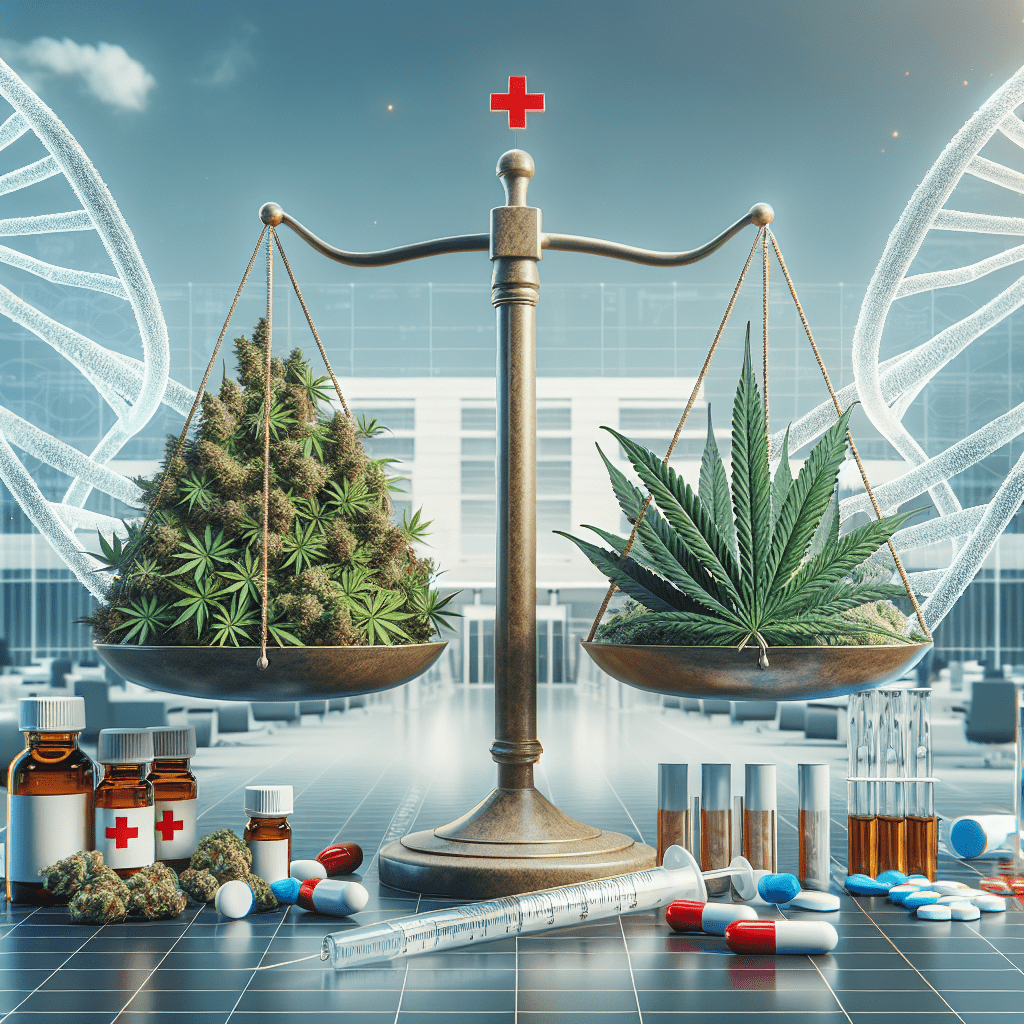
In recent years, the landscape of healthcare in the United States has undergone a remarkable transformation, with medicinal cannabis emerging as a pivotal component of modern therapeutic practices. Once relegated to the shadows of legality and stigma, cannabis is now gaining mainstream acceptance for its potential to alleviate various health conditions. This article explores the evolution of medicinal cannabis within American healthcare, current trends, and expert insights that illuminate its growing role in patient care.
The Historical Context of Medicinal Cannabis
Cannabis has been used for medicinal purposes for thousands of years, with some historical records dating back to ancient civilizations in China, Egypt, and India. Despite its long history, the wave of prohibition and stigmatization in the 20th century largely overshadowed these roots. The Marihuana Tax Act of 1937 effectively criminalized cannabis in the U.S., pushing it underground. However, the seeds for change were sown in the late 20th century as scientific research began to uncover the therapeutic potentials of cannabinoids, the active compounds in cannabis.
The tide began to turn in the 1990s when California became the first state to legalize medicinal marijuana through Proposition 215 in 1996. This landmark decision ignited a national movement, leading to an increasing number of states adopting similar measures. As of 2023, over 30 states, along with Washington D.C., have legalized some form of medical cannabis, signaling a significant shift in public opinion and legislative action.
Current Trends in Medicinal Cannabis Use
Today, medicinal cannabis is being administered for a range of conditions, including chronic pain, arthritis, epilepsy, anxiety, and even cancer-related symptoms. According to a survey by the National Center for Complementary and Integrative Health, over 50% of U.S. adults believe cannabis can be beneficial for certain medical conditions. Patients cite effectiveness, minimal side effects compared to traditional pharmaceuticals, and a holistic approach to healthcare as driving factors in their choice to pursue cannabis therapies.
The advent of advanced cultivation techniques and research into different strains has led to more tailored solutions for patients. Various delivery methods—including oils, edibles, tinctures, and vaporizers—allow patients to find the most suitable way to incorporate medicinal cannabis into their treatment plans. As we progress through 2023, innovations in biopharmaceutical formulations are on the rise, with companies developing products designed to exploit synergy between cannabinoids and other therapeutics.
Expert Insights and Scientific Studies
The scientific community is increasingly supporting the efficacy of medicinal cannabis through rigorous studies and clinical trials. A recent analysis published in the Journal of the American Medical Association highlighted that cannabinoids can effectively reduce chronic pain and improve quality of life for patients struggling with debilitating conditions. Experts like Dr. Ethan Nadelmann, a leading advocate for drug reform, argue that recognizing and prescribing cannabis as a legitimate pharmacological alternative could transform patient management for chronic conditions.
Moreover, the potential of cannabis to assist with mental health issues is gaining traction. A study published in 2023 in Psychiatric Research found a significant improvement in symptoms among patients with anxiety and PTSD following cannabinoid therapy. These findings are especially critical in the wake of growing mental health challenges exacerbated by the COVID-19 pandemic, as more individuals are turning to alternative forms of treatment for relief.
The Challenges Ahead
Despite the momentum, challenges remain on multiple fronts. The federal classification of cannabis as a Schedule I substance continues to complicate research and restrict access. While the FDA has approved medications containing synthetic cannabinoids, the marijuana plant in its natural form remains largely unregulated at the federal level. This discrepancy hinders the ability of researchers to conduct comprehensive studies and limits pharmaceutical companies from developing fully standardized products.
Additionally, disparities in access to medicinal cannabis persist, particularly in marginalized communities. Licensing and regulatory frameworks can be prohibitively expensive, creating a barrier for small businesses, especially those owned by people of color, to enter this burgeoning market. Advocates argue that equitable access should be a priority moving forward to truly harness the full potential of medicinal cannabis for all patients.
The Future of Medicinal Cannabis in Healthcare
As public support for cannabis therapy continues to grow, the future of medicinal marijuana appears promising. The Democratic-led Congress has shown renewed interest in cannabis reform, with proposals aimed at rescheduling cannabis at the federal level and addressing the barriers impeding equitable access. Meanwhile, accumulating scientific evidence is prompting medical institutions to explore the integration of cannabis into conventional medical treatment plans.
Healthcare providers are increasingly encouraged to educate themselves about cannabis to guide patients effectively, benefiting from training programs designed to enhance their understanding of this evolving field. As cannabis gains footholds in academic circles, the development of robust educational resources for healthcare providers and patients alike is crucial for responsible implementation.
Conclusion: A New Era of Healthcare
The rise of medicinal cannabis represents a paradigm shift in American healthcare, offering a beacon of hope for many patients seeking alternative therapies. As we stand on the precipice of acceptance, backed by scientific validation and an evolving legal landscape, the potential benefits of medicinal cannabis can no longer be ignored. Moving forward, it is essential that we address the barriers to access and continue rigorous research, ensuring that this powerful plant lives up to its promise. The dialogue around medicinal cannabis signals not just a change in treatment options, but a redefinition of healthcare itself—a holistic approach that values patient choice, personal experiences, and the power of nature in healing.
[ad_2]