

 By
[ad_1]
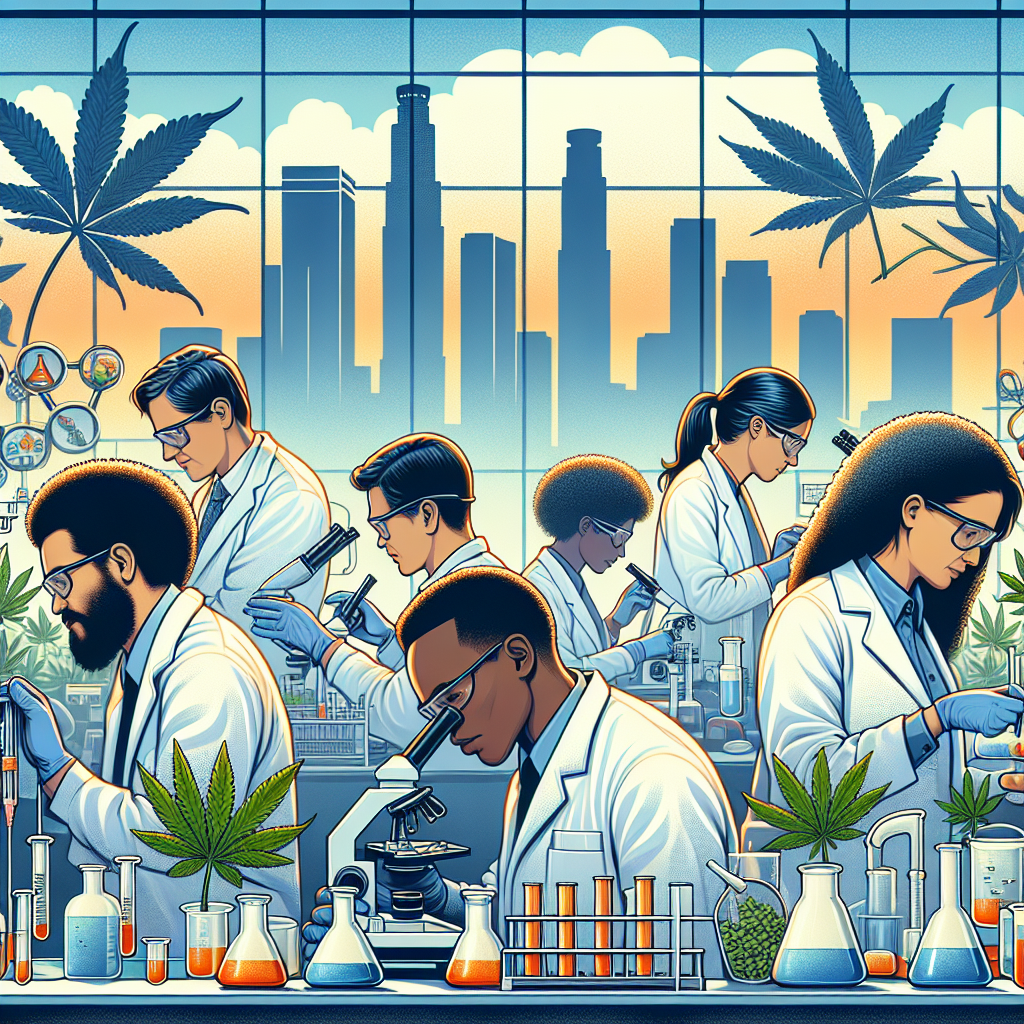
Los Angeles has emerged as a vibrant hub for cannabis research and development, driven by the booming legalized cannabis industry and a growing public interest in its potential medicinal and recreational applications. The scientific inquiry into cannabis spans various fields such as pharmacology, botany, and medicine, fueling innovation, product development, and education. This article delves into cutting-edge research and development efforts in Los Angeles, highlighting the interplay between science, policy, and community advocacy.
History and Legalization
The journey of cannabis research in Los Angeles can be traced back to the early days of medical marijuana legalization in California in 1996. This pioneering legislation laid the groundwork for subsequent laws allowing recreational use. In 2016, California legalized recreational marijuana, opening up opportunities for extensive research and development. Scientists and entrepreneurs flocked to the region to study cannabis’s therapeutic effects, resulting in a new wave of interest from universities, private companies, and non-profit organizations.
Scientific Research Initiatives
Various institutions in Los Angeles are conducting significant research on cannabis, exploring its compounds, effects, and potential therapeutic benefits. Notable research areas include:
- Phytochemistry: Researchers study the chemical compounds present in cannabis, including cannabinoids (like THC and CBD) and terpenes, to understand their individual effects and therapeutic potential.
- Clinical Trials: Clinical studies are underway to assess the efficacy of cannabis in treating conditions such as chronic pain, epilepsy, PTSD, and cancer-related symptoms.
- Public Health Research: Studies aim to explore the broader public health implications of cannabis use, including its impact on mental health and substance abuse.
- Hemp-Derived Products: The burgeoning hemp-derived CBD market is also attracting research to evaluate potential health benefits and regulatory standards.
Role of Universities and Research Institutions
Several prominent universities and research facilities in Los Angeles have established programs dedicated to cannabis studies. Institutions like UCLA and USC are at the forefront of this research, contributing to a deeper understanding of cannabis through interdisciplinary approaches. These universities host forums, lectures, and workshops to disseminate knowledge and foster collaborations between scientists, policymakers, and industry stakeholders. One notable initiative is the UCLA Cannabis Research Initiative, which focuses on the medical use of cannabis and aims to produce reliable research to influence public policy.
Industry Innovation
Los Angeles is also home to numerous startups and established companies researching cannabis product development. This includes edibles, oils, tinctures, and other innovative formats that appeal to broader consumers. The science of extraction, formulation, and dosing is crucial in creating effective and safe cannabis products. Many companies conduct in-house research while collaborating with universities to utilize academic expertise in product development.
Public Perception and Education
Education plays a vital role in the cannabis landscape in Los Angeles. With the stigma surrounding cannabis gradually dissipating, increased awareness and understanding of its benefits and risks are crucial. Various organizations and advocacy groups work to inform the public about responsible use, potential therapeutic applications, and legal regulations. Community events, workshops, and educational campaigns are commonly used to bridge the knowledge gap and arm consumers with the information they need to make informed choices.
Challenges and Regulatory Landscape
Despite the progress made in cannabis research and development, challenges remain. Regulatory frameworks governing cannabis are still evolving, which can hinder research initiatives due to legal uncertainty. The federal status of cannabis as a Schedule I substance complicates funding opportunities and limits research avenues. Moreover, the public’s varying perceptions and opinions on cannabis use can also create hurdles for researchers and businesses.
Conclusion
The landscape of cannabis research and development in Los Angeles represents a unique crossroads of science, industry, and public interest. As research continues to unfold, it is evident that cannabis holds enormous potential for medicinal, therapeutic, and recreational use. The collaboration between academic institutions, industry innovators, and advocacy groups will play a crucial role in shaping future discoveries and advancing scientific understanding. With continued support for research and education, Los Angeles will undoubtedly solidify its position as a global leader in cannabis science.
FAQs
What are cannabinoids?
Cannabinoids are the active chemical compounds found in cannabis. The most well-known cannabinoids are THC (tetrahydrocannabinol), which is psychoactive, and CBD (cannabidiol), which is non-psychoactive and often used for therapeutic purposes.
How is cannabis research regulated?
Cannabis research is subject to both state and federal regulations. While California has made strides in legalizing cannabis, researchers still need to navigate federal regulations, which can complicate the approval process for studies involving cannabis.
What conditions can cannabis help treat?
Research indicates that cannabis may help treat a variety of conditions, including chronic pain, anxiety, epilepsy, cancer-related symptoms, and multiple sclerosis, among others. However, more extensive clinical trials are necessary to establish efficacy and dosing guidelines.
Is cannabis safe to use?
While many individuals use cannabis without issues, it can have side effects or interact with other medications. It is essential for users to consult healthcare professionals before using cannabis, especially for medicinal purposes.
[ad_2]