
 By
By [ad_1]
Also check out: Cannabis Reform Activism – Building an Equitable Industry | Cannabis Social Equity: Progress and Challenges in June 2026
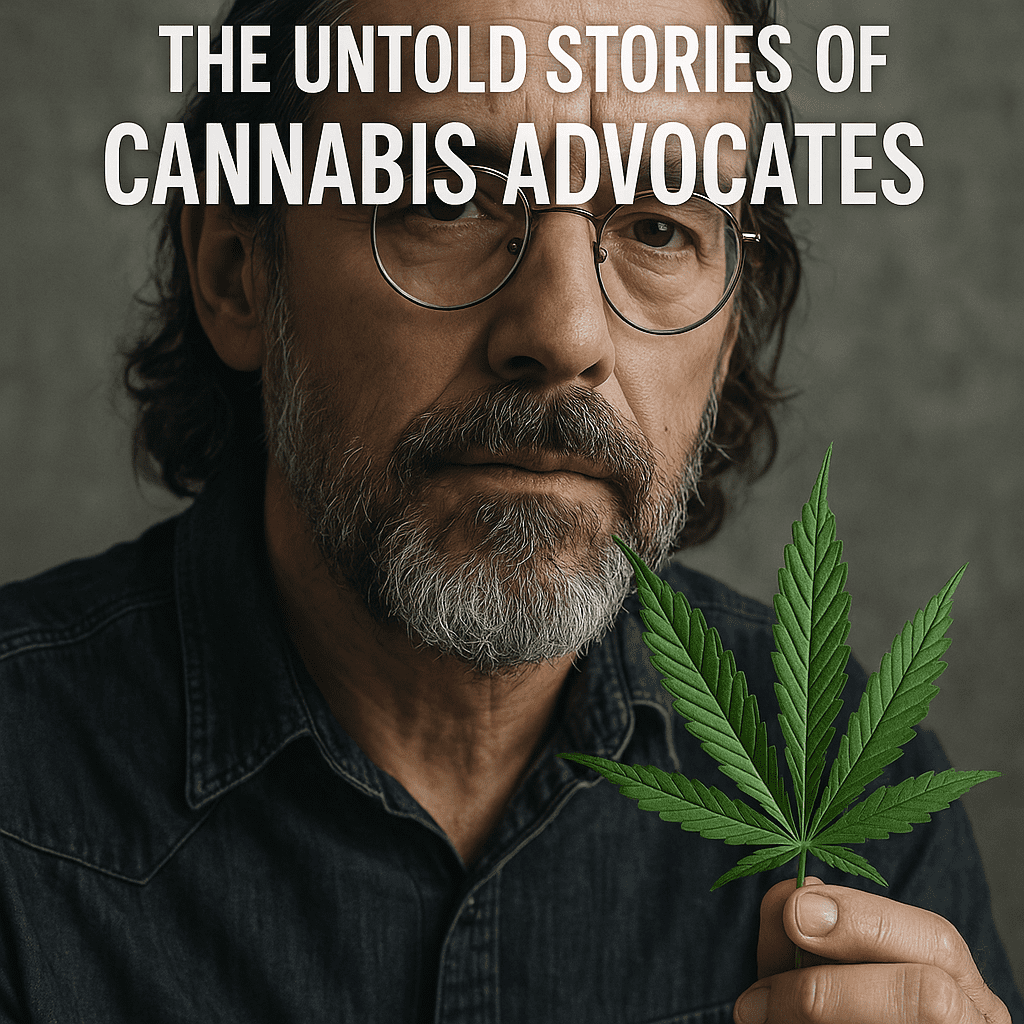
The Untold Stories of Cannabis Advocates in the United States
In recent years, the cannabis movement in the United States has gained significant momentum. Behind this progress are stories of passionate advocates whose voices often go unheard. These individuals and organizations have been pivotal in shifting public perception and policy, setting the stage for cannabis legalization across many states. However, the path to progress has been intertwined with personal sacrifices and societal challenges, often untold yet crucial to the narrative.
The history of cannabis advocacy is deeply rooted in the struggle for social justice. Advocates have long highlighted the disproportionate impact of cannabis-related arrests on marginalized communities. According to the ACLU, Black individuals are nearly four times more likely to be arrested for cannabis possession than their white counterparts, despite similar usage rates. This disparity fueled activists like Wanda James, Colorado’s first Black licensed cannabis dispensary owner, to become leaders in the fight for equity and reform. Her advocacy underscores the intersection of race and drug policy, a topic that remains vital in the ongoing dialogue about legalization.
The push for legalization gained ground with compelling stories from medical cannabis patients. Parents like Heather Jackson, who turned to cannabis as a last resort to treat her child’s severe epilepsy, became vocal proponents of medical cannabis. Their experiences have not only humanized the debate but also persuaded state legislatures to reevaluate restrictive cannabis laws. Medical testimonies continue to emphasize the therapeutic potential of cannabis and have inspired states like Mississippi and Alabama to recently legalize medical cannabis, reflecting a broader national trend towards acceptance.
The commercial cannabis industry has also evolved significantly, driven by a new wave of entrepreneurs who are reshaping the market landscape. Yet, as legalization spreads, many advocates warn of the corporatization of cannabis. They fear that large corporations might overshadow small, independent growers and sellers who initially fought for decriminalization. Industry leaders like Shaleen Title, a long-time advocate and former Massachusetts Cannabis Control Commissioner, stress the importance of social equity programs. Title’s ongoing work aims to ensure that those who suffered under prohibition have a stake in the burgeoning market, pointing out current efforts to address past injustices.
Recent events also highlight the ongoing legislative battles that advocates face. In 2023, the SAFE Banking Act, designed to provide cannabis businesses access to traditional banking services, reappeared on the congressional agenda. The lack of banking access has been a significant barrier for cannabis operations, forcing many to run all-cash businesses, posing safety risks, and limiting growth. Advocates like Aaron Smith, co-founder of the National Cannabis Industry Association, continue to lobby tirelessly, arguing that the passage of this act is critical for the industry’s stability and security.
Despite notable strides, federal legalization remains elusive. Public support for legalization is at an all-time high, with a Pew Research poll indicating that over 65% of Americans favor making cannabis legal. However, advocates confront the complexities of federal policy, where cannabis remains classified as a Schedule I substance. This federal-state dichotomy creates legal and logistical challenges, prompting renewed calls from advocates for comprehensive reform.
The covid-19 pandemic marked a significant turning point for cannabis advocacy. As states classified dispensaries as essential businesses during lockdowns, the public perception of cannabis shifted further from illicit substance to everyday commodity. Advocates seized this opportunity to push for greater integration of cannabis into mainstream markets. This shift also opened new conversations about regulation, safety, and accessibility, reflecting the evolving role of cannabis in society.
The stories of cannabis advocates are tales of resilience, innovation, and determined pursuit of justice. Yet, they also serve as reminders of the ongoing work needed to address the remnants of prohibition-era policies and attitudes. As the legal landscape continues to change, these stories underscore the importance of inclusivity and equity, ensuring that progress is shared by all communities involved.
In conclusion, the journey of cannabis advocates in the United States is a testament to the power of grassroots activism and the impact of personal stories. Their efforts have been instrumental in shaping the national discourse around cannabis, pushing forward issues of social justice, economic opportunity, and medical access. As the nation stands on the brink of potential federal legalization, these untold stories remind us of the individuals and communities that continue to fight for a fairer, more equitable future. Their legacy challenges us to reflect on the broader implications of cannabis policy and the kind of society we wish to build moving forward.
[ad_2]