
 By
By [ad_1]
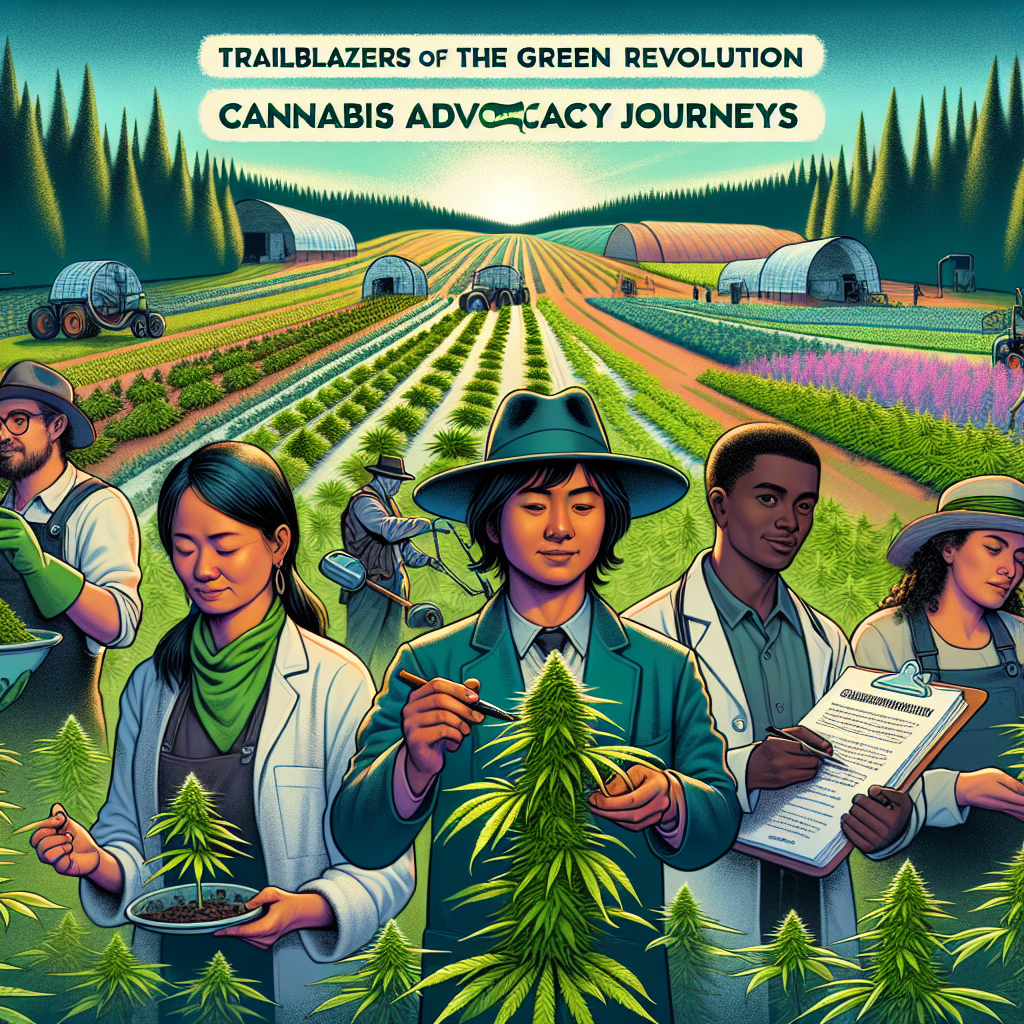
Trailblazers of the Green Revolution: Cannabis Advocacy Journeys in the United States
The cannabis movement in the United States has undergone significant transformation over the past few decades. From a time when cannabis was universally criminalized and stigmatized, we have moved into an era where it’s increasingly embraced for both medicinal and recreational purposes. This shift wouldn’t have been possible without the relentless efforts of key advocates who have trailblazed the path to normalization and legalization. Their journeys offer inspiration and insight into how sustained activism can drive meaningful change.
The roots of cannabis advocacy trace back to the early 20th century, but it was in the 1990s that the movement gained substantial momentum. California became the first state to legalize medical cannabis in 1996, a landmark achievement largely driven by the dedicated activism of Dennis Peron. Peron, whose partner died of AIDS, helped lead Proposition 215, allowing patients with AIDS, cancer, and other serious illnesses to legally access cannabis. His work set a precedent that influenced subsequent legislation across other states, emboldening a wave of similar initiatives nationwide.
Fast forward to today, and over two-thirds of the U.S. states have legalized cannabis in some form. This seismic shift has been propelled by modern advocates like Wanda James. The first African American woman to open a licensed dispensary in Colorado, James has tirelessly worked to address racial disparities within the cannabis industry. Her advocacy highlights one of the movement’s most pressing current issues: ensuring that the benefits of legalization are equitably distributed, particularly for communities disproportionately affected by previous drug laws.
Recent developments have only added to the cannabis movement’s dynamic landscape. In 2023, major strides were made with the introduction of the Cannabis Administration and Opportunity Act in Congress, aiming to federally legalize cannabis while addressing social equity. This federal approach stands as a testament to the movement’s persistence and growth. Endorsements from influencers like John Boehner, former Speaker of the House, underscore how even traditional political figures are recognizing cannabis’s potential.
Further, the ongoing push for criminal justice reform remains a central theme in the advocacy landscape. Organizations such as the Last Prisoner Project focus on gaining freedom for those incarcerated for cannabis-related offenses, which are no longer crimes in many parts of the country. The work of activists like Steve DeAngelo, co-founder of the project, is critical in ensuring that justice keeps pace with legislative progress. Their objective is not only to release prisoners but also to reintegrate them into society with dignity and support.
The financial implications of cannabis legalization are profound and extensively documented, adding another layer to the conversation. The cannabis industry generated $25 billion in sales in 2021 and is on track to surpass this in subsequent years. This economic boom has reeled in investors and entrepreneurs eager to capitalize on the growing market. Amidst this gold rush, advocates stress the importance of maintaining ethical practices and inclusive policies to prevent monopolization by large corporations at the expense of small business owners and minority-run enterprises.
As the national conversation evolves, education around cannabis continues to be essential. Public perception shifts gradually with initiatives that promote understanding of cannabis’s benefits and risks. Educational platforms and seminars, like those led by NORML (National Organization for the Reform of Marijuana Laws), play a crucial role in demystifying cannabis use. Such education is vital, given the persistent stigmas drawn from years of prohibition and misinformation.
Looking at the broader picture, the United States might soon join Canada and several other countries in fully legalizing cannabis at the federal level. The potential health benefits, economic opportunities, and criminal justice reforms make a compelling case. However, the road is not without barriers; federal approval faces resistance from various sectors concerned about regulations, potential misuse, and public health impacts.
In conclusion, the journey towards cannabis normalization in the United States is marked by triumphs and ongoing challenges. The trailblazers—past and present—work tirelessly to dismantle outdated legislation while expanding the conversation around cannabis’s role in society. They remind us that advocacy is a continual process, one that evolves with shifting social, legal, and political climates. As we stand on the cusp of potential nationwide legalization, their stories encourage us to reflect on the broader implications of this green revolution. How will the laws we enact today shape the cannabis landscape of tomorrow? The future of cannabis hinges not only on policy decisions but also on our collective commitment to equity, justice, and responsible use.
[ad_2]