

 By
By [ad_1]
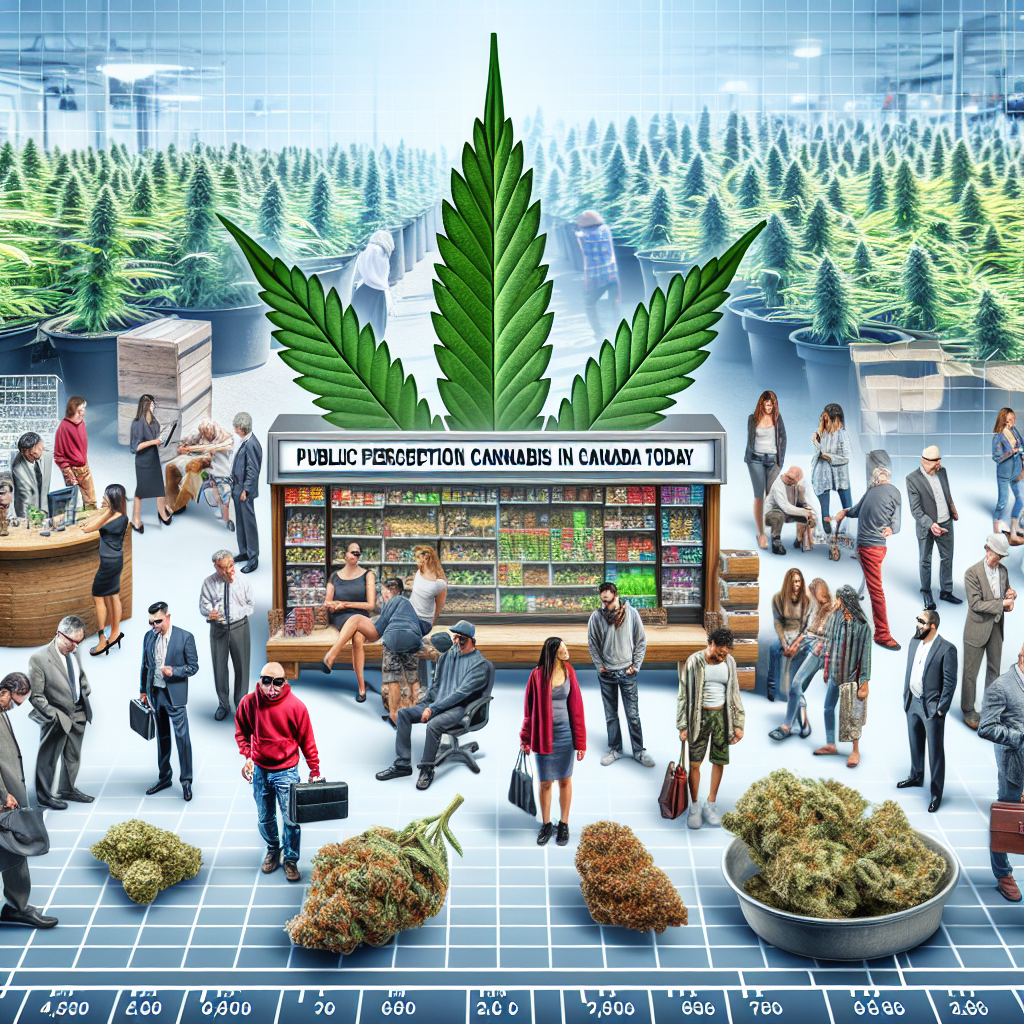
As societal norms evolve and legislative frameworks shift, the perception of cannabis has transformed significantly in both Canada and the United States. Since Canada legalized cannabis for recreational use in October 2018, the public’s attitude toward the substance has shifted dramatically. In contrast, the U.S. remains a patchwork of regulations, with cannabis still federally illegal, despite varying degrees of legalization at the state level. This article explores the current landscape of cannabis perception in both countries, shedding light on trends, attitudes, and the implications for policy and public health.
Historical Context and Recent Developments
Canada’s journey toward cannabis legalization is instructive in understanding its current public perception. The 2018 legalization marked a historic shift in policy, aiming to control the market and reduce criminal activity associated with cannabis. Surveys conducted in the lead-up to legalization showed that public support for cannabis had reached new heights, with around 65% of Canadians in favor of legalizing recreational use. Fast forward to 2023, and a recent Pollara Poll indicated that 72% of Canadians support the continued legalization of cannabis, affirming its acceptance as a mainstream product.
In contrast, the United States presents a more complicated picture. While states like California, Colorado, and Illinois have embraced legalization, others remain staunchly opposed. In 2023, a Gallup poll revealed that 68% of Americans support legalization, a record high, reflecting a shift in public sentiment. However, the federal government’s refusal to legalize cannabis complicates matters, leaving many citizens confused about its status and implications for social justice, public health, and criminal justice.
Public Health and Safety Concerns
Despite increasing acceptance, public health and safety concerns about cannabis use persist in both nations. Experts warn that while cannabis is deemed safer than alcohol by many, it is not without risks. Issues such as impaired driving, mental health effects, and underage consumption remain pressing concerns. Canadian health authorities have emphasized harm reduction, urging responsible consumption and providing education on the risks, particularly among youth.
In the U.S., debates around the health implications of cannabis are heightened by the patchwork of state laws. Some states have implemented regulations regarding age restrictions, labeling, and marketing aimed at youth. The National Institute on Drug Abuse (NIDA) continues to study the effects of cannabis, especially in light of emerging strains that are more potent than in the past. There is an ongoing discussion about the balance between legalization for adult use and the necessity of protecting vulnerable populations, such as adolescents and those with pre-existing mental health conditions.
Economic Impact and Market Trends
The economic implications of cannabis legalization are significant in both Canada and the U.S., shaping public perception alongside health concerns. Canada has witnessed a burgeoning cannabis industry, contributing billions to the economy and creating thousands of jobs. Companies such as Canopy Growth and Aurora Cannabis have emerged as major players in a competitive market. Recent government reports indicate that the legal cannabis market has grown, with sales reaching nearly CAD 4 billion in 2022, signaling robust consumer demand.
In the U.S., the economic potential is equally evident despite the federal prohibition. Markets in states like Colorado and Illinois have seen lucrative tax revenues, prompting discussions about the benefits of legalization for public funding. However, the fragmented legal landscape complicates matters for entrepreneurs trying to navigate both state and federal regulations. With the current economic climate evolving rapidly, many advocates argue that legalizing cannabis at the federal level could unlock significant economic opportunities and pave the way for more standardized regulations across states.
Social Justice and Equity
An essential aspect of the conversation around cannabis is its intersection with social justice. In Canada, the government has taken steps to address injustices stemming from previous cannabis prohibition, including expunging records for those previously convicted of cannabis-related offenses. Despite these measures, indigenous and marginalized communities still face barriers in entering the legal cannabis market. Continued advocacy seeks to ensure equity in this burgeoning industry and prevent the monopolization of its benefits by larger corporations.
In the United States, the push for social equity in cannabis initiatives is gaining momentum. Numerous states have incorporated social equity programs that aim to support individuals and communities disproportionately affected by prior cannabis laws. However, critics argue that access and opportunity in this new industry remain limited. Activists advocate for comprehensive reforms that encompass not just legalization but a holistic approach to rectifying past injustices.
Looking Ahead
As public perception continues to shift, the future of cannabis in Canada and the United States remains uncertain but hopeful. Ongoing discussions about federal legalization in the U.S. are entering new territory, with potential legislation being considered in Congress. At the same time, Canada is refining its regulatory framework to better meet the needs of consumers while prioritizing public health safeguards.
The implications of cannabis legalization stretch beyond economics and health; they touch on fundamental aspects of justice, fairness, and community well-being. As stakeholders—governments, businesses, and citizens—grapple with the realities of an evolving landscape, encouraging informed dialogue and comprehensive policy changes will be crucial.
Conclusion
In conclusion, the understanding of public perception regarding cannabis in Canada and the United States reflects deeper societal changes and challenges. While attitudes have shifted significantly towards acceptance, ongoing concerns about health implications, economic potential, and social equity remain at the forefront. The path forward requires a nuanced understanding of these complexities. As debates continue and policies evolve, both countries stand at a pivotal crossroads that could redefine the future of cannabis use and its place within society. The ongoing journey of cannabis in North America encourages us to reflect on broader themes of justice, health, and community as we navigate this new frontier.
[ad_2]