 By
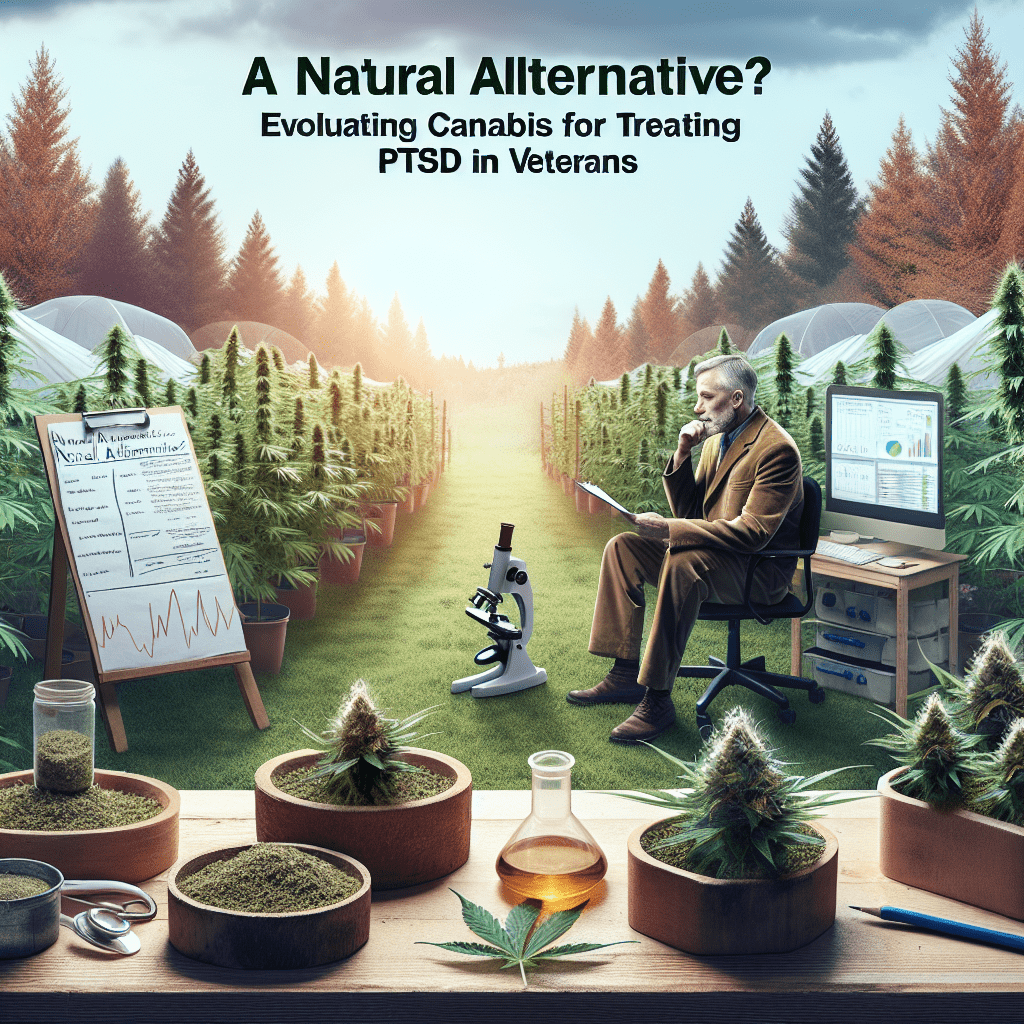
By A Natural Alternative? Evaluating Cannabis for Treating PTSD in Veterans in the United States
Post-Traumatic Stress Disorder (PTSD) has emerged as a significant mental health concern for veterans in the United States, affecting a substantial percentage of those who have served. The debilitating symptoms of PTSD, including anxiety, depression, flashbacks, and sleep disturbances, can severely hinder a veteran’s quality of life and reintegration into civilian life. As traditional treatment methods, including psychotherapy and pharmaceutical interventions, have varying degrees of effectiveness and often carry side effects, many veterans are turning to cannabis as a natural alternative. This article examines the current landscape of cannabis use for treating PTSD in veterans, exploring its potential benefits, challenges, and the growing body of research.
The Burden of PTSD Among Veterans
According to the U.S. Department of Veterans Affairs (VA), around 11-20% of veterans from the Iraq and Afghanistan conflicts experience PTSD each year. The symptoms can persist long after military service and may lead to substance abuse, suicidal thoughts, and difficulty maintaining relationships. Traditional treatment options like cognitive-behavioral therapy (CBT) and selective serotonin reuptake inhibitors (SSRIs) have proven effective for many but are not universally successful. As a result, veterans seeking alternative therapies are increasingly considering cannabis, particularly in states where it has been legalized for medical use.
Understanding Cannabis and Its Components
Cannabis contains over 100 chemical compounds known as cannabinoids, with the most well-known being tetrahydrocannabinol (THC) and cannabidiol (CBD). THC is responsible for the psychoactive effects of cannabis, while CBD is non-psychoactive and has garnered attention for its potential therapeutic benefits, including anti-anxiety and anti-inflammatory properties.
Veterans often explore different strains of cannabis to target specific symptoms associated with PTSD. While some strains may be high in THC, which can provide immediate relief from anxiety or panic attacks, others may be rich in CBD, which is thought to help with long-term management of anxiety and mood regulation without the high.
The Case for Cannabis in Treating PTSD
The potential benefits of cannabis for managing PTSD symptoms are supported by both anecdotal evidence from veterans and emerging scientific research. Many veterans report reduced anxiety, better sleep quality, enhanced mood, and diminished flashbacks after using cannabis. Furthermore, some studies suggest that cannabis may help reset the brain’s response to traumatic memories, decreasing the intensity of emotional reactions to certain triggers.
A study published in 2020 in the Journal of Psychoactive Drugs indicated that veterans using cannabis reported lower levels of PTSD symptoms. Another 2021 study indicated that both THC and CBD might play a role in enhancing the effectiveness of traditional PTSD treatments. This is particularly promising, as it opens the door for integrated treatment models that combine traditional therapies with cannabis use.
Barriers to Access and Research
Despite the potential benefits, several barriers hinder veterans from accessing cannabis as a treatment for PTSD. First and foremost, the legal landscape remains complex; while many states have legalized medical marijuana, it remains classified as a Schedule I substance federally. This classification complicates research efforts, limiting large-scale clinical trials that could fully understand the efficacy and safety of cannabis in treating PTSD.
Moreover, even in states where medical cannabis is legal, navigating the approval process can be daunting for veterans. They must often obtain certifications from medical professionals, which not all providers may feel comfortable giving due to varying levels of knowledge about cannabis. Additionally, concerns about the stigma surrounding cannabis use can deter veterans from seeking the help they might need.
The Role of the VA and Policy Implications
The VA has historically approached cannabis with caution, largely due to its federal classification and the limited evidence available. However, in recent years, there has been a growing movement advocating for a shift in attitude. Some VA facilities now permit discussions around cannabis and PTSD, reflecting a shift towards more holistic treatment methods.
As public sentiment surrounding cannabis continues to change, and with increasing evidence supporting its potential benefits, the VA is under pressure to reevaluate its stance. Advocates argue for research funding to further explore how cannabis can assist veterans and to establish informed guidelines for the safe and responsible use of marijuana as a treatment option.
Conclusion
Cannabis presents a complex, yet promising alternative for veterans suffering from PTSD. While many veterans find relief through its use, substantial hurdles remain in terms of research, accessibility, and regulatory approval. As the conversation surrounding cannabis evolves and more veterans advocate for their treatment options, the need for comprehensive, evidence-based approaches becomes increasingly important. With a clearer understanding of its efficacy and safety, cannabis might offer a viable complement to traditional PTSD treatments, providing hope and relief for those who have bravely served their country. Continuing to bridge the gap between anecdotal experiences and scientific validation will be essential in determining whether cannabis can be safely and effectively integrated into the treatment regimen for veterans with PTSD in the United States.