
 By
Study Details
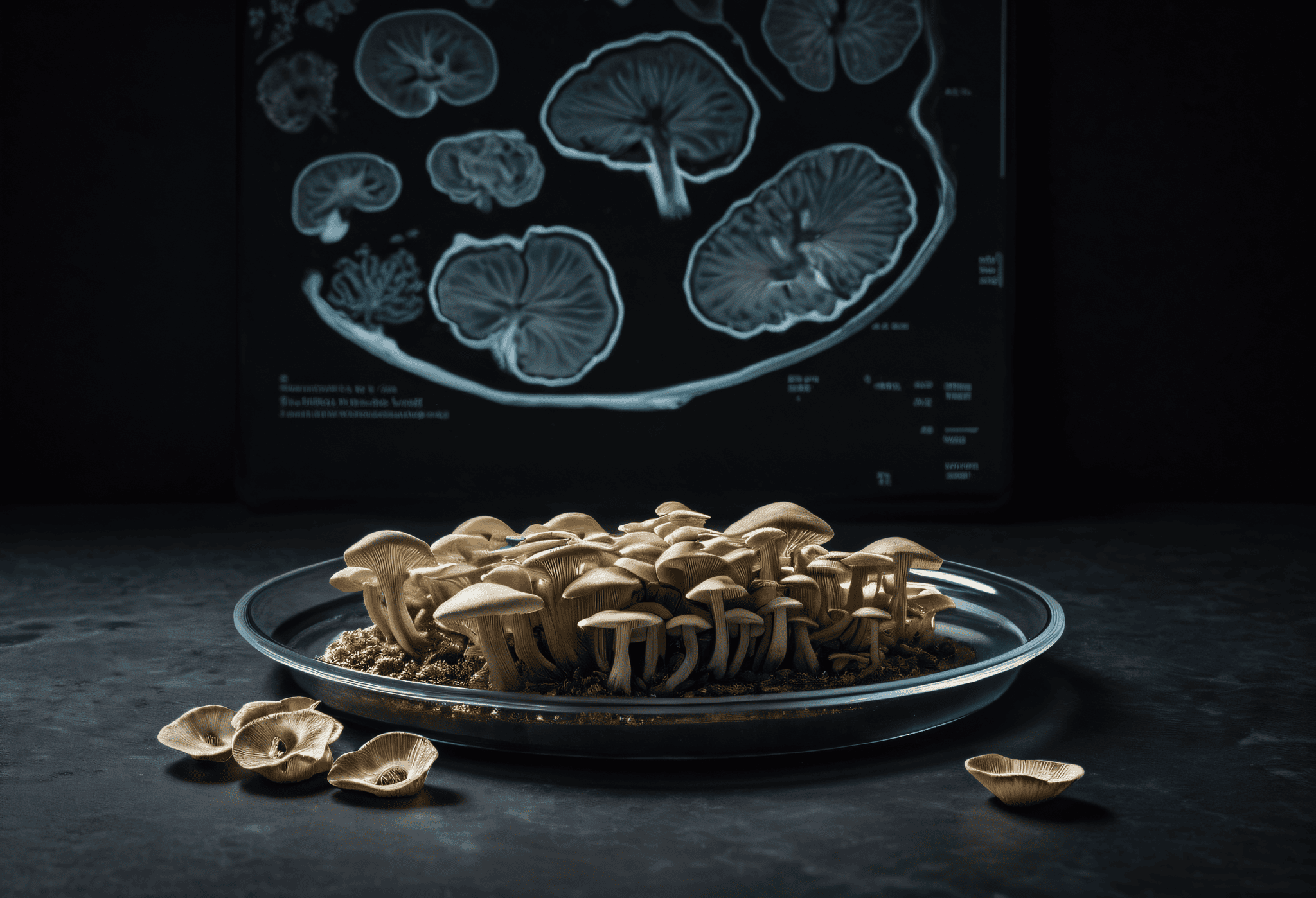
Researchers at the University of California, San Francisco, and Columbia University published a new paper in JAMA Psychiatry on Wednesday showing that psilocybin reduced markers of systemic inflammation in people with Parkinson’s disease-associated mood dysfunction. The study was funded by Silo Pharma Inc. and an anonymous donor.
The purpose of the study was to show whether psilocybin could be a safe and effective therapeutic for people diagnosed with Parkinson’s disease who also have depression. The researchers also found some of the most consequential human data on how psychedelics impact inflammation yet collected, which they published in the new paper for the journal JAMA Psychiatry on Wednesday.
Key Findings
The paper states that “markers of systemic inflammation and mitochondrial stress were reduced in people with [Parkinson’s disease]-associated mood dysfunction following psilocybin therapy.”
For years, researchers have been exploring how psychedelics can address inflammation. When psychedelics enter the brain, they clump onto serotonin receptors. This has made them interesting candidates for treating mental health conditions, and scientists have already been able to show that some psychedelics have powerful anti-inflammatory properties.
The new findings show that those qualities could translate to treating inflammation in humans. Earlier research had pointed in the same direction: an open-label study at Johns Hopkins published in February suggests that people living with post-treatment Lyme disease can find relief from symptoms related to inflammation, and early clinical studies on classic psychedelics primarily psilocybin and LSD suggest they can significantly reduce cluster headache attack frequency and break active cycles.
Why It Matters
“That may apply not only to Parkinson’s, but also neuropsychiatric disorders like depression and anxiety,” they said.
The study adds to a growing body of research examining whether psychedelics can address inflammation in humans, a question scientists have pursued as interest in the therapeutic potential of these compounds has expanded.