

 By
By [ad_1]
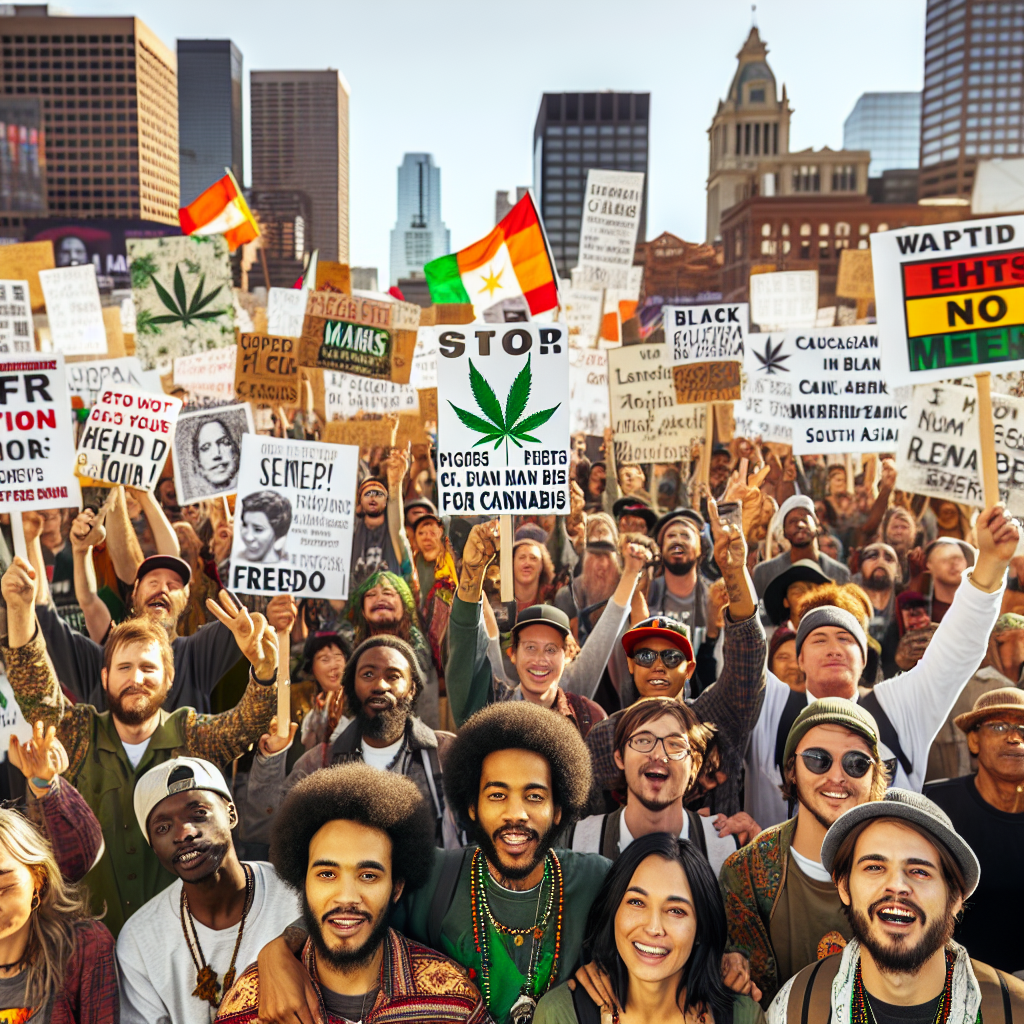
Activists Rally for Cannabis Reform in Major Cities Across the United States
As the movement to legalize cannabis continues to gain momentum, activists across the United States have rallied in major cities to demand significant reforms in cannabis policy. This growing movement reflects broader societal changes, driven by shifting public opinions, economic interests, and a desire to rectify injustices stemming from decades of restrictive laws. Recent rallies in cities such as New York, Los Angeles, and Chicago illustrate the urgency of these calls for reform, as activists push for legislative changes that address issues ranging from criminal justice reform to economic equity.
The cannabis reform movement has gained considerable traction over the past decade. Polling data consistently shows that a majority of Americans now support the legalization of cannabis, whether for medical or recreational use. The recent rallies have served as a platform to amplify voices advocating for an end to the stigmatization of cannabis users and a reevaluation of the policies that criminalized millions, particularly marginalized communities. Activists are increasingly vocal about the disparities in how cannabis laws have been enforced, noting that people of color are disproportionately affected by arrests and convictions related to cannabis offenses.
The concerns voiced at these rallies extend beyond mere legalization; they encompass a range of issues, including the need for social equity and restorative justice. Many activists emphasize the importance of including minority-owned businesses in the cannabis industry, which has often been dominated by larger corporations. Initiatives aimed at ensuring that those who were most harmed by past cannabis prohibitions are prioritized in licensing and funding opportunities are critical to these discussions. In states where cannabis has been legalized, like California and Illinois, advocates have called for policies that not only protect these businesses but also invest in affected communities through job training and educational programs.
In addition to advocating for social equity, activists are increasingly focusing on marijuana decriminalization as an essential step towards sensible reform. Decriminalization would remove criminal penalties for cannabis use and possession, aligning legal frameworks with prevailing public opinion. This concept was highlighted in recent demonstrations, where attendees showcased the positive impact of decriminalization in states that have implemented such measures. Notably, supporters argue that decriminalization can also alleviate the burden on the criminal justice system, allowing law enforcement to focus on more pressing issues.
One of the most pressing topics of discussion at these rallies is how cannabis reform intersects with criminal justice reform more broadly. Many speakers highlighted personal stories that shed light on the devastating impact of cannabis criminalization. Families and individuals affected by harsh penalties often take center stage at these events, sharing their experiences to humanize the issue. Their narratives underline the importance of healing and reparative actions, rather than merely punitive measures, to address the historical injustices associated with cannabis laws.
As public awareness of the injustices tied to cannabis criminalization grows, the movement has garnered support from various stakeholders, including lawmakers. In recent months, several states have proposed or passed legislation aimed at legalizing cannabis or decriminalizing its use. The impact of these reforms has been significant, with some states reporting increases in tax revenues and job creation in the emerging cannabis sector. In New York, for example, the state has already begun to distribute licenses to minority-owned businesses as part of its legalization rollout, making strides towards economic inclusion.
Moreover, as the federal government re-evaluates its stance on cannabis, the calls for reform are gaining attention at the national level. Congressional debates surrounding cannabis legalization have become increasingly common, with various bills proposed that seek to address both legal and regulatory concerns. Many advocates express hope that with continued activism and public pressure, federal legalization could soon move from a distant dream to a tangible reality. The potential for economic growth and job creation in a legal cannabis market significantly influences these discussions, bolstering arguments for reform.
While the momentum for cannabis reform is undeniable, challenges remain. Opposition to legalization persists, often grounded in fears about public health and safety. Concerns that cannabis could lead to increased substance abuse or create public safety issues have fueled resistance to reform efforts. Education and outreach, therefore, become vital components of the activists’ strategy, aimed at dispelling myths surrounding cannabis use and highlighting its potential benefits when regulated properly.
As activists rally for cannabis reform, they are not only seeking changes in legislation but also aiming to shift cultural attitudes toward cannabis. The image of cannabis users as criminals needs to be redefined, as advocates assert that responsible use can co-exist with community well-being. The need for a more informed and compassionate understanding of cannabis and its effects is critical, especially as the movement for reform becomes increasingly mainstream.
In conclusion, the rallies for cannabis reform in major cities across the United States reflect an urgent call for progressive change. The intersection of cannabis policy with issues of social justice, economic equity, and public health underscores the complex layers of this movement. As activists continue to mobilize, they challenge entrenched perceptions and seek to create a future where cannabis is recognized not as a criminal concern, but as a legitimate facet of American society. The stakes are high, as the outcomes of these efforts will shape not only the future of cannabis legislation but also the broader landscape of social justice in America. Reflecting on these rallies, one cannot help but consider the power of collective action and the potential for lasting societal change.
[ad_2]