
 By
By [ad_1]
As cannabis legalization sweeps across the United States, an increasing number of cultivators, both novice and experienced, are venturing into hydroponic growing techniques. Hydroponics, the method of growing plants in nutrient-rich water rather than soil, offers unique advantages such as faster growth rates, reduced space requirements, and increased yields. However, it also demands a nuanced understanding of plant biology, environmental conditions, and nutrient management. This article aims to illuminate the current landscape of hydroponic cannabis cultivation, diving into recent trends, challenges, and future possibilities for growers across the nation.
Understanding Hydroponics: The Basics
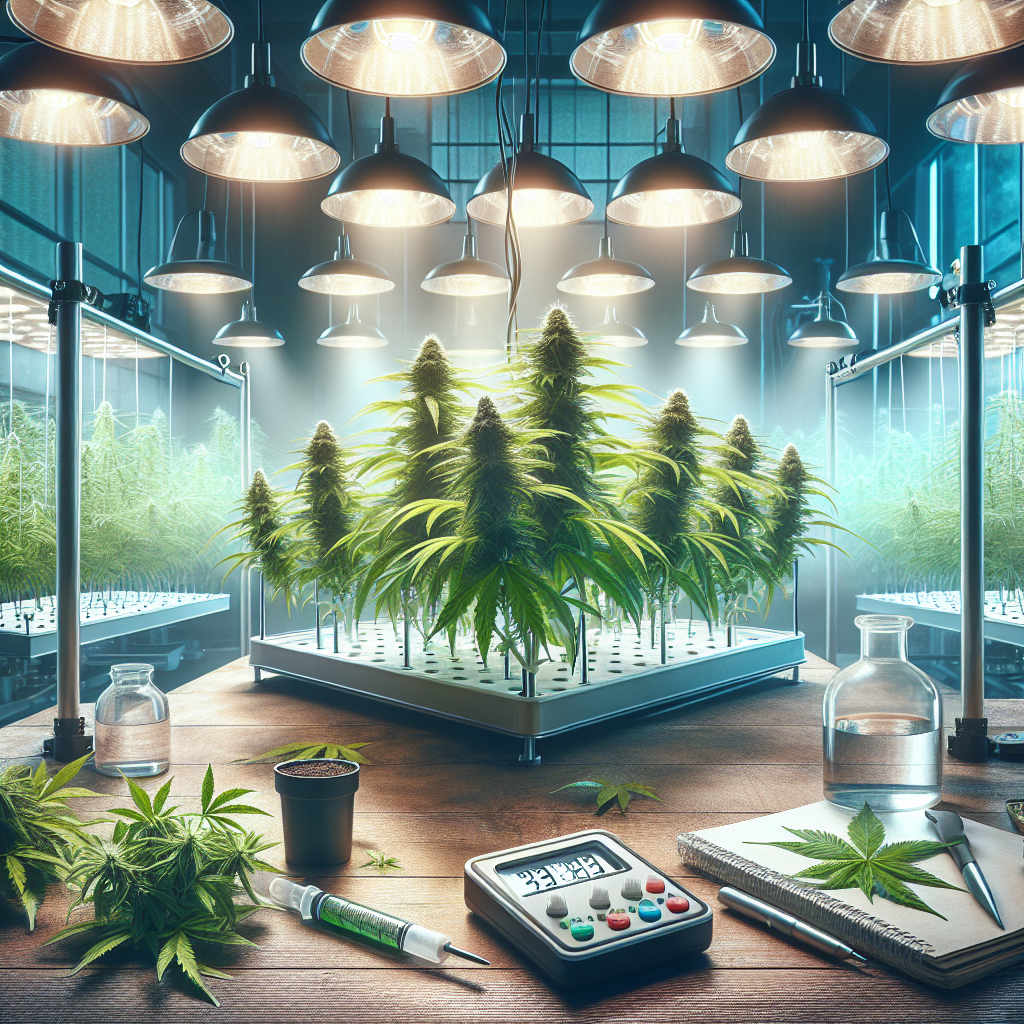
Hydroponics comes in various systems, including Deep Water Culture (DWC), Nutrient Film Technique (NFT), and Ebb and Flow, each serving different plant needs and grower preferences. In DWC, plants are suspended in nutrient-rich water with aeration providing oxygen, while NFT involves a thin film of nutrient solution running over the roots. Cultivators appreciate these methods for their efficiency, as hydroponic setups can produce significant numbers of plants in relatively small spaces. Additionally, hydroponics minimizes weed and pest issues that often arise in soil-based growing, allowing for a cleaner and more controlled environment.
More than just a cultivation method, hydroponics aligns with the broader trend toward sustainable agriculture. The ability to use less water and avoid chemical pesticides attracts environmentally conscious growers who seek to minimize their ecological footprint while maximizing yield.
Current Trends in Hydroponic Cannabis
As of 2023, the hydroponic cannabis market is evolving rapidly, influenced by a combination of technological advancements and shifting consumer preferences. One significant trend is the rise of automation in hydroponic systems. Smart technology allows growers to monitor and control variables like pH levels, nutrient concentrations, and environmental conditions remotely. Devices such as sensors and smart valves can significantly reduce labor costs and improve crop consistency, addressing the perennial challenge of managing large-scale operations effectively.
In addition to automation, there’s a growing interest in organic and regenerative hydroponics. Cultivators are increasingly exploring biological inputs, such as beneficial microbes and natural fertilizers, which can be incorporated into hydroponic systems. This trend has opened a dialogue about the moral implications of cannabis cultivation, as many consumers now prioritize ethically sourced and produced products. State regulators are beginning to respond to this demand, adding certifications and guidelines to address organic hydroponic cannabis cultivation.
Legislative Landscape and its Impact
The legal landscape surrounding cannabis cultivation is intricate and varies significantly between states. As of 2023, 39 states have legalized medical cannabis, while 21 states have also legalized it for recreational use. This patchwork of regulations affects how hydroponic growers operate. Many urban areas have embraced cultivation, enjoying the space efficiency of hydroponic setups. Yet, legal hurdles like licensing, compliance with local regulations, and zoning laws can complicate the process for growers.
Recently, states such as New York and New Jersey have ramped up efforts to create equitable cannabis markets, particularly in allowing home cultivation. They are setting forth guidelines that favor environmentally friendly growing methods, including hydroponics. This shift not only broadens opportunities for amateur growers but also sets a precedent for future legislation aimed at sustainable agricultural practices.
Challenges Faced by Hydroponic Growers
Despite its advantages, hydroponics is not without difficulties. One of the primary challenges is the investment cost associated with setting up a hydroponic system. High-quality equipment, nutrient solutions, and the need for an energy-efficient setup can deter aspiring growers. Additionally, while hydroponic systems can yield faster growth, they require careful monitoring and adjustments, which can be overwhelming for newcomers.
Moreover, the knowledge gap remains a significant barrier. Understanding optimal nutrient mixes, the timing of feedings, and the management of environmental conditions is crucial. Failures in one area can lead to rapid crop loss or subpar yields. To combat this, many are turning to educational resources, networking in online forums, or even attending workshops that focus specifically on hydroponic cannabis growth.
Looking Forward: The Future of Hydroponics in Cannabis Cultivation
As we move into the future, the potential for hydroponic cannabis cultivation appears promising. Innovative practices and technologies are continuously emerging, particularly with the integration of artificial intelligence and machine learning. These advancements will allow growers to predict outcomes more accurately and optimize their systems for peak performance, thus making hydroponic cannabis more accessible to a broader audience.
Consumer awareness and demand for quality products will likely lead to enhanced standards in the industry, with certifications for organic and sustainably produced cannabis becoming more commonplace. This change will not only benefit consumers but also encourage growers to adopt best practices that prioritize environmental sustainability.
Conclusion: Reflecting on the Hydroponic Landscape
Navigating the world of hydroponic cannabis growth is an exciting venture that combines cutting-edge technology with sustainable agricultural practices. As the landscape continues to evolve, growers are faced with both opportunities and challenges that shape their journey. The integration of smart technologies, the push for organic practices, and the ongoing evolution of legislation all play a vital role in defining the future of hydroponic cannabis cultivation in the United States.
In this ever-changing environment, aspiring and experienced growers must stay informed and adaptable. Those looking to capitalize on the booming cannabis market will find that understanding hydroponic systems and their intricacies could become the key differentiator in producing high-quality, responsibly grown products. As we move forward, one can only speculate how hydroponics will not only transform cannabis cultivation but potentially redefine modern agriculture as a whole. The future beckons—a future where sustainability and innovation walk hand in hand, allowing us to grow not just plants, but a more responsive and responsible world.
[ad_2]