
 By
By [ad_1]
Behind the Scenes: A Day in the Life of a Professional Cannabis Grower
The world of cannabis cultivation is often romanticized through images of lush green plants basking under the sun, evoking a sense of freedom and peace. However, the reality of being a professional cannabis grower involves a significant amount of hard work, expertise, and attention to detail. In this article, we take you behind the scenes of a typical day in the life of a cannabis grower, exploring the intricacies of cultivation, daily operations, and some unique challenges that come with the territory.
Early Morning: Starting the Day
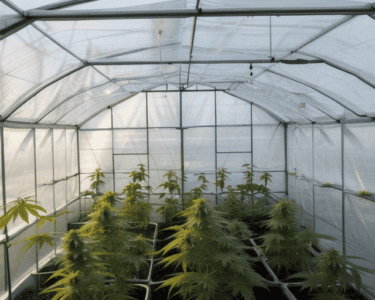
A professional cannabis grower often starts their day before dawn. The initial hours are vital for assessing the overnight conditions of the grow rooms. Many growers operate in indoor facilities, where they can control the temperature, humidity, and light cycles—crucial factors for plant health. The first task is to check the environment control systems, making sure that everything is functioning correctly. This includes verifying the CO2 levels, temperature, and humidity, as these factors can greatly influence the plants’ growth and yield.
After ensuring the environment is optimal, the grower usually checks on the plants, examining them for any signs of pests, disease, or nutrient deficiencies. This hands-on observation allows growers to catch problems early, which can save time and money in the long run.
Mid-Morning: Routine Maintenance
Once the environmental conditions are stable, it’s time for routine plant maintenance. This includes watering, feeding, and pruning the plants. Cannabis plants have specific nutrient requirements based on their growth stage—seedlings, vegetative, and flowering. Growers must mix the right nutrients and ensure that plants receive adequate hydration without overwatering, which could lead to root rot.
Pruning is another vital task during this part of the day. Growers remove excess leaves to enhance light penetration to lower branches and improve airflow. This practice not only promotes healthier plants but also maximizes yield by directing energy into the buds rather than unnecessary foliage.
Afternoon: The Tech Side of Growing
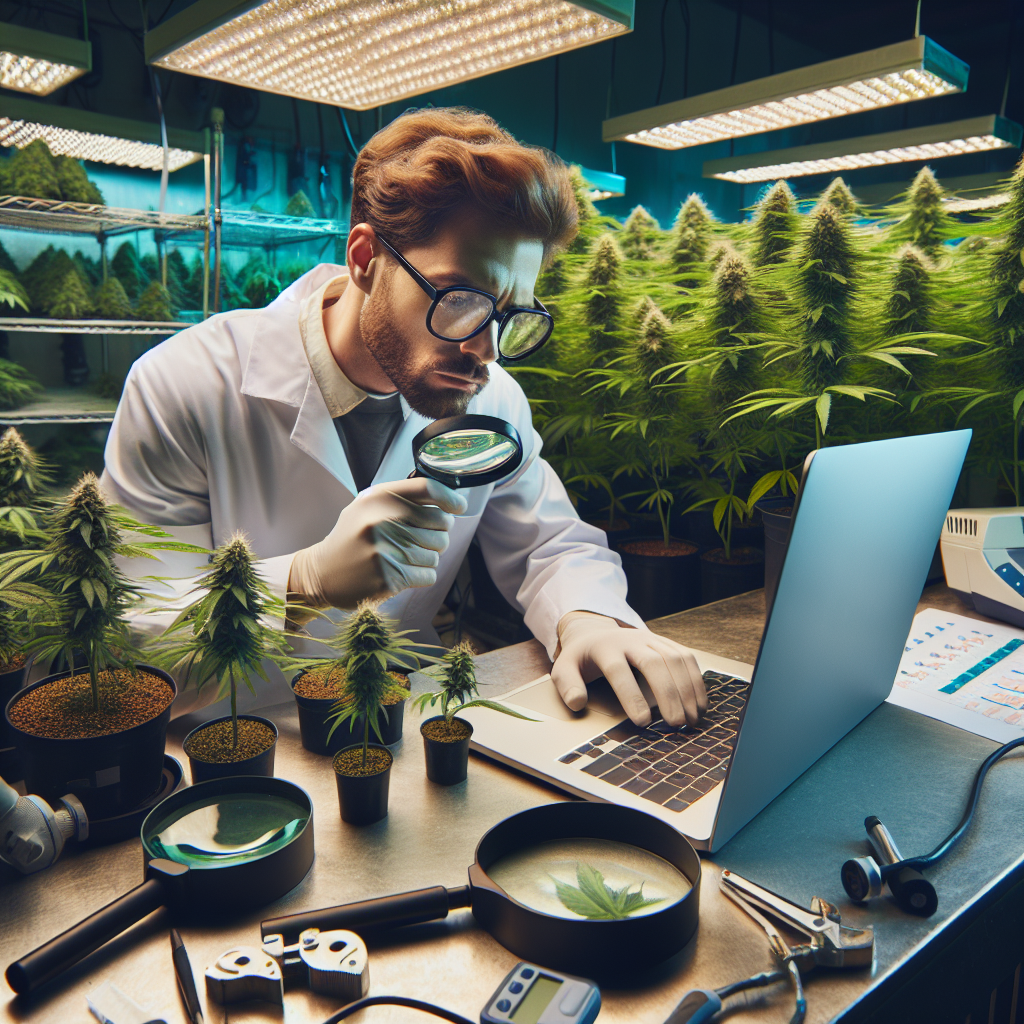
As the day progresses, technology plays a significant role in modern cannabis cultivation. Many growers utilize advanced systems for monitoring plant health and environmental conditions. Cameras, sensors, and automated systems allow growers to track nutrient levels, moisture, and even the growth rate of the plants in real-time.
Sitting in front of computer screens, growers analyze data collected throughout the operation. This analysis helps guide management decisions about irrigation cycles, nutrient dosages, and stress management techniques. Precision in these areas can significantly enhance the quality and quantity of harvest.
During this time, there is often collaboration with other members of the team, which may include nutrient specialists, pest management experts, and even laborers. Strong communication ensures that everyone is on the same page and that the plants are receiving the best care possible.
Late Afternoon: Harvesting and Processing
In some facilities, the workflow may shift toward harvesting, depending on the growing cycle. When plants reach maturity, the grower must follow precise protocols to ensure the buds are harvested at their peak potency. This entails careful cutting and handling, as the delicate flowers can easily be damaged.
Once harvested, the process doesn’t stop. The buds must be hung to dry in a controlled environment, where temperature and humidity must be dictated to avoid mold. This drying process can take anywhere from five to ten days. After drying, the buds are often trimmed, packed, and prepared for testing before they hit the market. Ensuring compliance with local regulations during this step is critical as it involves lab testing for THC content and contaminants.
Evening: Administrative Duties and Planning
The work of a cannabis grower does not end with the physical labor of cultivation. Evening hours often involve administrative tasks such as inventory management, compliance documentation, and planning for future planting cycles. Growers must keep precise records of every aspect of the operation, from plant genetics to the nutrients used and environmental conditions.
Planning is essential, as growers need to anticipate issues that could arise in future growth cycles based on the current crop’s health and performance. This strategic approach can help inform decisions about which strains to cultivate next and how to enhance yields.
Conclusion
Being a professional cannabis grower is a multifaceted job that requires a wealth of knowledge, patience, and adaptability. From monitoring environmental conditions to managing intricate growing systems and ensuring regulatory compliance, the tasks are diverse and demanding. Yet, for those passionate about cannabis cultivation, each day offers the opportunity to cultivate not just plants but a deeper understanding of horticulture and biology.
FAQs
Q: What kind of education is required to become a professional cannabis grower?
A: While formal education isn’t strictly necessary, a background in horticulture, botany, or agriculture can be beneficial. Many successful growers also gain experience through hands-on work or specific training programs in cannabis cultivation.
Q: How do I get started with cannabis cultivation?
A: Start small and do thorough research on the cannabis strains you wish to grow. Understanding local laws and regulations surrounding cannabis cultivation is crucial.
Q: What common pests and diseases do cannabis growers face?
A: Common pests include spider mites, aphids, and whiteflies, while diseases can involve powdery mildew and root rot. Maintaining a balanced environment and implementing preventative measures can help mitigate these issues.
Q: What tools or equipment do professional growers use?
A: Tools may include grow lights, water pumps, humidity meters, nutrient injectors, and automated monitoring systems.
Q: Is it necessary to use pesticides in cannabis cultivation?
A: Organic pest management practices are encouraged, and many growers prefer to avoid chemical pesticides. Integrated Pest Management (IPM) approaches can help manage pests while minimizing chemical use.
[ad_2]