

 By
By Beyond THC: How Cannabis Can Enhance Your Overall Health
As attitudes towards cannabis shift in the United States, the conversation has evolved beyond just its psychoactive component, tetrahydrocannabinol (THC). While THC is celebrated for its euphoric effects and pain-relieving properties, there are numerous other elements within the cannabis plant that contribute to overall health and wellness. Cannabidiol (CBD), terpenes, and other cannabinoids are gaining attention as research uncovers a wealth of benefits that extend far beyond recreational use. This article explores the expanding landscape of cannabis health benefits, current trends, and the implications for individuals seeking holistic wellness solutions.
The Science Behind Cannabis
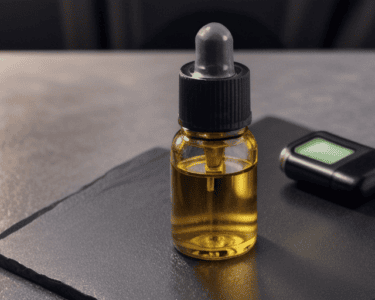
Cannabis contains over 100 cannabinoids, with CBD and THC being the most well-known. CBD, in particular, has gained traction for its potential therapeutic properties. Unlike THC, CBD is non-psychoactive, meaning it doesn’t produce a “high.” This characteristic makes it appealing for those who wish to experience the health benefits without the alteration of their mental state. Research has indicated that CBD may alleviate anxiety, reduce inflammation, and assist with pain management.
A growing body of research supports these claims. A study published in The Journal of Clinical Psychology indicated that CBD may reduce anxiety levels in patients with social anxiety disorder. Meanwhile, the European Journal of Pain reported that CBD applied topically could potentially help reduce chronic pain and inflammation, which opens up possibilities for its use in treating conditions like arthritis and multiple sclerosis.
Current Events and Trends
Recent legislative changes, including the 2018 Farm Bill, have legalized hemp-derived CBD at the federal level, further fueling interest in cannabis as a health supplement. Consumers are increasingly seeking products that incorporate CBD for various health issues, including sleep disorders, chronic pain, and anxiety. Market research suggests that the CBD market could surpass $20 billion by 2024, reflecting a significant public demand for its health benefits.
Moreover, many health and wellness brands are incorporating CBD into their products, ranging from skincare to foods and beverages. The rise of CBD-infused drinks and edibles indicates that consumers are looking for innovative ways to incorporate cannabis into their daily diets. For example, beverages like CBD-infused teas and coffees provide refreshing alternatives for those seeking the benefits of cannabis without traditional methods of consumption.
Cannabinoids Beyond THC and CBD
While CBD is in the spotlight, other cannabinoids are starting to emerge as vital players in the cannabis wellness conversation. Cannabigerol (CBG) is another cannabinoid that is garnering attention for its potential therapeutic effects. CBG has been found to have anti-inflammatory and neuroprotective properties. Research shows promise for its use in treating conditions like glaucoma and inflammatory bowel disease.
Terpenes, the aromatic compounds found in cannabis, are also gaining recognition for their potential health benefits. These compounds not only contribute to the plant’s scent but also have therapeutic properties, including anti-inflammatory and anti-anxiety effects. For instance, the terpene linalool, commonly found in lavender, may help in reducing anxiety and promoting relaxation, while limonene, associated with citrus scents, has been connected to mood enhancement. Understanding how these compounds work together can provide insights into the “entourage effect,” where the full spectrum of cannabis compounds works synergistically to enhance the plant’s therapeutic potential.
Expert Insights
Health professionals are increasingly advocating for a more nuanced understanding of cannabis in health care settings. Dr. Ethan Russo, a well-respected neurologist and cannabis researcher, emphasizes the importance of education surrounding cannabis. He argues that both patients and practitioners need to be informed about the various compounds in cannabis and their potential applications. “It is crucial to differentiate between different cannabinoids and terpenes,” he states, noting that the complexity of the cannabis plant should be appreciated to harness its full capabilities for health.
Additionally, as more patients seek alternative treatments for chronic conditions, healthcare providers are urged to integrate cannabis into a broader treatment regimen responsibly. Patients are advised to consult healthcare professionals when considering cannabis, given its psychological effects and interactions with other medications.
The Road Ahead
The growing acceptance of cannabis in various sectors necessitates ongoing research and dialogue about its health benefits. As more states move towards legalization, comprehensive studies will continue to emerge, enhancing our understanding of cannabis’s health applications. Public perception is evolving; stigma surrounding cannabis use is fading as it becomes recognized for its potential to improve quality of life for many individuals.
Moreover, education remains a vital component in this transformation. Consumers must be informed about the different products available, how to use them safely, and the varying effects they may encounter. Transparency in labeling and clear dosing guidelines will be essential in ensuring that individuals can make informed decisions about incorporating cannabis into their health and wellness routines.
Conclusion
The landscape of cannabis in the United States is rapidly changing, presenting a wealth of opportunities for enhancing overall health and wellness. From CBD to terpenes and beyond, ongoing research is unveiling new potentials for this multifaceted plant. As individuals seek natural alternatives for managing health concerns, understanding the broader scope of cannabis will be essential. The journey toward full acceptance and understanding of cannabis is only just beginning, and with it comes the promise of better health outcomes for many. The question remains: how will you choose to integrate this extraordinary plant into your journey toward wellness?