

 By
By Beyond the Buzz: How Cannabis is Redefining Wellness Strategies in the United States
The cannabis landscape in the United States has undergone a seismic shift over the past decade. Once mired in stigma and legal restrictions, it is now at the forefront of wellness strategies across the nation. This transformation is not merely about the legalization of recreational use; it encompasses a broader understanding of cannabis as a multidimensional tool for promoting health and well-being. As the scientific community continues to study its effects, and as consumers increasingly seek holistic alternatives to traditional medicine, cannabis is redefining wellness strategies in ways that are both innovative and profound.
A Shift in Perception
Historically, cannabis was vilified as a dangerous substance associated with criminality and moral decline. However, growing medical research and anecdotal evidence have showcased its potential therapeutic benefits, leading to a changing narrative. The legalization of cannabis in several states for both medical and recreational use has facilitated a broader acceptance. According to a Gallup poll conducted in 2022, 68% of Americans now support legalizing marijuana, emphasizing that societal attitudes are evolving.
Therapeutic Applications of Cannabis
The therapeutic applications of cannabis are diverse, making it an attractive option for wellness strategies. Products containing cannabinoids like CBD (cannabidiol) and THC (tetrahydrocannabinol) are being used to alleviate a range of ailments, from chronic pain and anxiety to insomnia and inflammation. The National Academies of Sciences, Engineering, and Medicine published a review indicating substantial evidence that cannabis can effectively treat chronic pain in adults, highlighting its role as an alternative to opioids in pain management.
Moreover, cannabis is increasingly being recognized for its potential in mental health. A growing body of research suggests that cannabinoids may help alleviate symptoms of anxiety, depression, and PTSD. This has led to the emergence of cannabis-based therapeutic programs aiming to assist individuals grappling with mental health challenges. Clinics and wellness centers that integrate cannabis into their treatment protocols are witnessing positive outcomes, reflecting a shift in how we approach psychological well-being.
The Rise of Cannabinoid Wellness Products
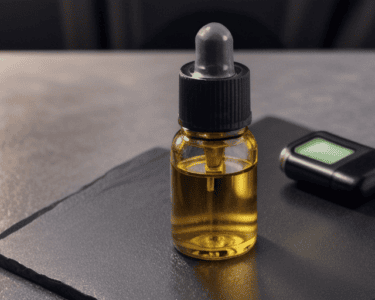
As cannabis enters the mainstream, a plethora of cannabinoid-based wellness products is flooding the market. From infused oils and tinctures to topical creams and dietary supplements, consumers now have access to a diverse range of options. These products often incorporate CBD, known for its non-psychoactive properties, making it appealing to those seeking therapeutic benefits without the high typically associated with THC.
Innovative brands are focusing on the entourage effect—the synergistic interaction between various cannabinoids and terpenes found in cannabis. This approach reflects a deeper understanding that the benefits of cannabis extend beyond isolated compounds. Consumers are increasingly gravitating towards full-spectrum or broad-spectrum products, enhancing their wellness regimes with naturally derived botanical ingredients. The 2023 cannabis market report predicts that the CBD market alone will reach $20 billion by 2025, underscoring consumer demand for plant-based wellness solutions.
Integrating Cannabis into Holistic Health
The integration of cannabis into holistic health practices is gaining traction. Wellness professionals, including naturopaths, chiropractors, and holistic health coaches, are increasingly incorporating cannabinoid therapy into their offerings. This trend recognizes the interconnectedness of mind, body, and spirit; cannabis is viewed as an additional tool to facilitate healing and promote overall wellness.
Yoga studios, meditation centers, and wellness retreats are adapting their practices by offering cannabis-infused classes or workshops designed to enhance relaxation and mindfulness. Advocates argue that these experiences can deepen one’s connection to the self, providing a pathway to self-discovery and healing.
Addressing Regulatory and Educational Challenges
While the potential of cannabis in wellness strategies is immense, several challenges must be addressed. The patchwork of state and federal regulations creates confusion for consumers and practitioners alike. Federal legalization remains a contentious issue, affecting research funding and the development of consistent standards across the industry. This regulatory uncertainty can stifle innovation and limit access to high-quality products.
Moreover, education plays a crucial role in the safe and effective use of cannabis for wellness. Misinformation persists, and many consumers may not fully understand the differences between various cannabis compounds, their potential benefits, or safe dosage practices. As the industry matures, collaborative efforts among health professionals, patients, and advocates need to ensure that accurate, evidence-based information is disseminated.
The Future of Cannabis in Wellness
Looking ahead, the future of cannabis as a wellness strategy is promising. As more research emerges and social acceptance grows, we can expect to see a greater integration of cannabis into mainstream health practices. Medical professionals may increasingly recognize its benefit as an adjunct therapy, leading to a more holistic approach to treatment.
Furthermore, with the advent of personalized medicine and the growing interest in plant-based therapies, cannabis may play a central role in individualized wellness plans. Tailoring cannabinoid treatments to meet the specific needs of individuals could enhance therapeutic outcomes and further normalize cannabis in the healthcare landscape.
Conclusion
As we navigate this uncharted territory, it is essential to look beyond the buzz surrounding cannabis and to focus on its potential contributions to wellness strategies in the United States. By fostering a culture of education, collaboration, and responsible use, cannabis could become a cornerstone in the future of holistic health, offering individuals new pathways to well-being and self-care. In this ever-evolving narrative, cannabis stands poised to redefine not just our understanding of wellness, but also how we engage with our health in an increasingly complex world.