
 By
By [ad_1]
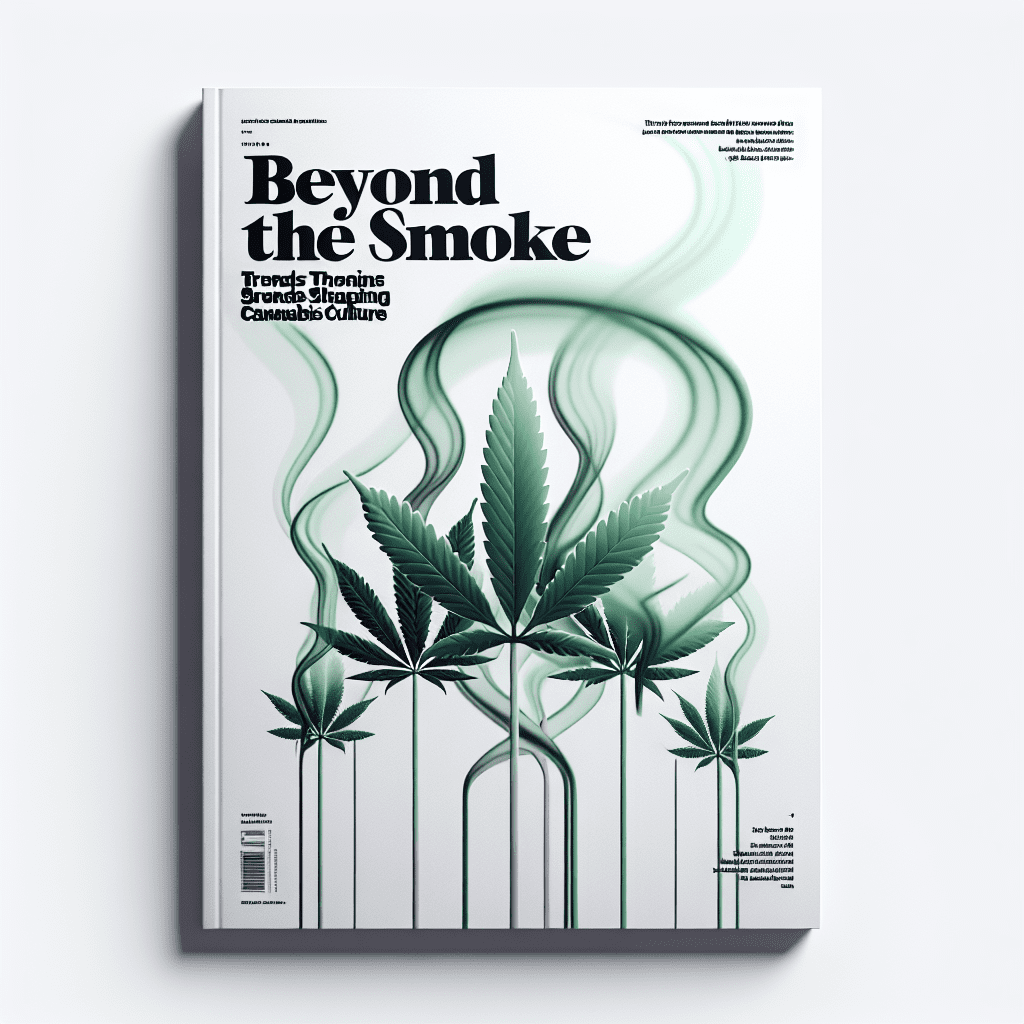
The cannabis culture in the United States is undergoing a transformative shift that extends far beyond traditional smoking habits. As more states legalize both medical and recreational use, an array of trends is emerging that reflect evolving societal attitudes, technological advancements, and consumer preferences. This article will explore the current trends shaping cannabis culture, examining the implications for users, businesses, and the broader community.
One of the most significant trends is the diversification of cannabis products available on the market. Gone are the days when consumers had limited options beyond simple flower. Today, infused edibles, beverages, and topicals are becoming increasingly popular. According to the Cannabis Business Times, the edible segment has seen a remarkable growth rate, with cannabis-infused beverages particularly capturing consumer interest. Companies are now crafting sophisticated products aimed at health-conscious consumers, including low-calorie options, and beverages featuring adaptogens or CBD for wellness benefits. This expanding product range caters to a broader audience, including those who may be reluctant to smoke but still wish to experience the benefits of cannabis.
Another noteworthy development is the increasing prevalence of cannabis tourism. States like Colorado and California are leading the way, as tourists seek the immersive experience of cannabis culture. Cannabis-themed tours, cooking classes, and farm visits are gaining popularity among visitors who want to learn about cultivation, processing, and responsible consumption. The potential for cannabis tourism is immense, with the market expected to grow significantly in the coming years. Recent studies indicate that tourism spending in cannabis-friendly areas is outpacing overall tourism growth, suggesting that the cultural acceptance of cannabis is not just a local phenomenon but a national one.
The rise of technology in the cannabis sector is another trend that cannot be ignored. From seed-to-sale tracking systems to advanced cultivation techniques, technology is reshaping how cannabis is grown, processed, and sold. These innovations not only enhance product quality but also ensure compliance with regulatory standards. The advent of mobile apps, which facilitate cannabis delivery services and provide users with educational resources, reflects the sector’s digital transformation. As consumers become more tech-savvy, the demand for seamless purchasing experiences and transparency in product sourcing is increasing, prompting businesses to adapt to these expectations.
The medical cannabis sector is also evolving, gaining recognition for its therapeutic benefits. Conditions such as chronic pain, anxiety, and epilepsy are increasingly acknowledged as treatable with cannabis. Researchers and healthcare professionals are conducting studies to better understand the full spectrum of its medicinal properties. The expanding body of research is helping to demystify cannabis for patients and practitioners alike. Moreover, an increasing number of states are expanding their medical marijuana programs to include more qualifying conditions. This shift not only normalizes the use of cannabis for therapeutic reasons but is also influencing how society views cannabis as a legitimate medical option.
Social equity and justice have become integral discussions in the cannabis community, catalyzing awareness around the historical injustices of cannabis prohibition. Several states have implemented social equity programs aimed at supporting communities disproportionately affected by the War on Drugs. These initiatives focus on providing resources, financial assistance, and training for minority-owned cannabis businesses, ensuring that those historically marginalized can partake in the economic benefits of legalization. Activists and organizations are advocating for comprehensive reforms, arguing that it is essential to address the inequities of the past as we move forward in this new legal landscape.
Despite these positive developments, the cannabis industry faces significant challenges ahead, most notably concerning federal regulation. While many states have embraced legalization, the lack of federal approval complicates financial and operational matters for businesses. Issues such as banking restrictions and tax burdens inhibit the industry’s full potential. The ongoing debate in Congress regarding the SAFE Banking Act and broader cannabis reform reflects the complexities of navigating federal laws within state-legal markets. Until comprehensive legislation is enacted, uncertainties will continue to loom over business operations and limit the industry’s growth trajectory.
In addition, public perception around cannabis use remains mixed. Although acceptance is growing, stigma persists in certain demographics, particularly among older adults. This generational divide is crucial for stakeholders to address as they work to promote responsible use and educate the public on cannabis benefits and risks. Ongoing outreach efforts are essential for building a comprehensive understanding that transcends stereotypes, fostering a culture of tolerance and respect.
Looking ahead, the future of cannabis culture in the United States appears promising, but challenges remain. The diversification of products, the rise of cannabis tourism, technological advancements, and the push for social equity all indicate significant transformation within the sector. However, these positive trends must be balanced with ongoing challenges such as federal regulation and varying public perceptions. As cannabis continues to evolve, stakeholders—including consumers, businesses, and policymakers—must engage in open dialogue and work collaboratively to create a sustainable and inclusive industry.
In conclusion, the cannabis culture in the United States is at a pivotal juncture, characterized by innovation, social change, and ongoing debate. As we move beyond the smoke, it is vital for all participants in this evolving landscape to explore the deeper implications of their choices and engage with the broader cultural dialogue surrounding cannabis. As attitudes shift and the industry matures, the opportunity to redefine cannabis, both recreationally and medicinally, awaits those willing to navigate this promising yet complex frontier.
[ad_2]