
 By
By [ad_1]
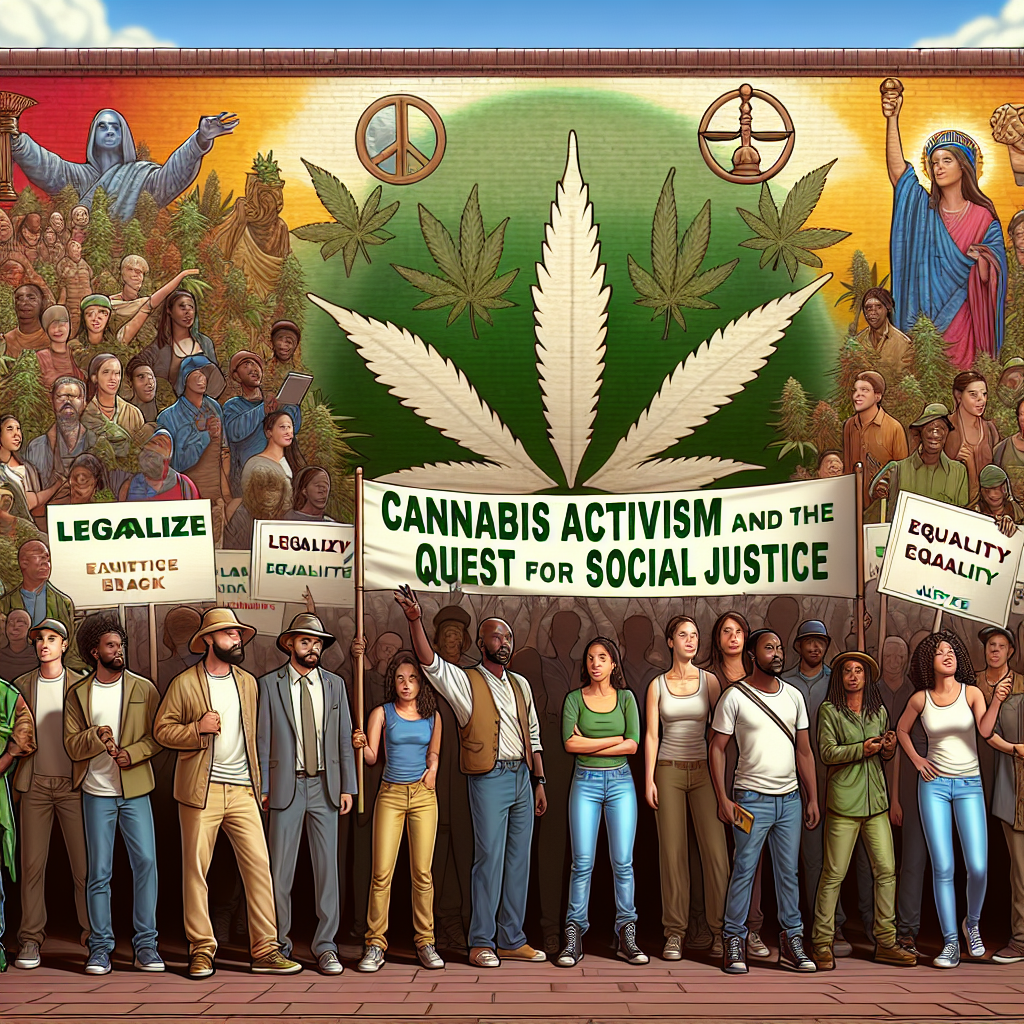
In recent years, the landscape of cannabis legislation in the United States has shifted dramatically. As states rush to legalize recreational and medicinal marijuana, a contentious yet crucial facet of the conversation has emerged: social justice. The intersection of cannabis policy and social equity highlights systemic injustices, particularly those disproportionately affecting communities of color. Cannabis activism has evolved beyond mere legalization to encompass a broader pursuit of social justice, aiming to rectify the harms caused by decades of prohibition.
The criminalization of cannabis initially took root in the early 20th century and intensified in the late 20th century with the War on Drugs. This campaign resulted in not only widespread incarceration for minor drug offenses but also significant racial disparities in arrest rates. According to the American Civil Liberties Union (ACLU), Black individuals are arrested for cannabis possession at nearly four times the rate of their white counterparts, despite similar usage rates. As public sentiment shifts towards acceptance, activists are vigilant in ensuring that the framing of cannabis legislation is rooted in equity.
Recent legislative efforts are indicative of this evolving landscape. For instance, the Marijuana Opportunity Reinvestment and Expungement (MORE) Act, which aims to decriminalize cannabis at the federal level, includes provisions for expunging records of those previously convicted of non-violent cannabis offenses. Though the bill has faced hurdles in Congress, its introduction has spurred conversations about the necessity of equitable policies. The push for legislation like the MORE Act reflects a growing recognition that legalization cannot be an isolated victory; it must be accompanied by reparative justice for those woefully impacted by draconian drug laws.
At the state level, various initiatives are striving to address the historical injustices stemming from cannabis prohibition. In 2021, New York became one of the first states to explicitly tie cannabis legalization to social equity by ensuring that a significant percentage of the industry’s revenue is directed toward communities historically harmed by the War on Drugs. Similar initiatives are underway in states like New Jersey and Illinois, creating pathways for social equity applicants—individuals from marginalized communities who have been disproportionately affected by cannabis prohibition. These legislative frameworks aim not only to uplift communities of color but also to create a more diverse industry that reflects the society in which it operates.
However, challenges remain as the cannabis industry burgeons. The commercialization of cannabis raises concerns about maintaining equity in an increasingly corporate landscape. Wealthy investors and large corporations are swiftly entering the market, often overshadowing small businesses and aspiring entrepreneurs from marginalized backgrounds. Activists argue that without intentional measures, the industry could replicate the same inequities that the legal framework seeks to dismantle. Notably, organizations like the Last Prisoner Project advocate for a more inclusive approach, encouraging consumers to support minority-owned cannabis businesses and calling for policies that prioritize social equity.
Recent events, particularly the ongoing discourse about systemic racism and social justice, have amplified the conversation around cannabis. The assassination of George Floyd in 2020 reignited nationwide protests, prompting a reconceptualization of justice in various domains, including cannabis. Activists leveraged this moment to push for comprehensive change, linking police violence and racial inequity to drug prohibition policies. The alignment of cannabis reform with broader social justice movements has fostered cross-disciplinary collaborations, bridging the gap between various struggles for equity.
Public attitudes are also evolving. A 2022 Gallup poll revealed that nearly 68% of Americans support legalizing cannabis, echoing a broader trend driven by younger generations. This changing public perception is vital for galvanizing legislative action and fostering momentum for social justice initiatives. As cannabis becomes normalized, activists stress the importance of coupling acceptance with accountability. Community engagement and education are critical components, ensuring that all stakeholders understand the societal and cultural implications of legalization.
Ultimately, the quest for social justice within the realm of cannabis is indicative of larger societal shifts. It challenges longstanding norms and compels lawmakers, businesses, and citizens to reckon with the ramifications of decades of punitive drug policy. The responsibility lies not only with legislators but with consumers as well; activism must translate into conscientious choices that prioritize equity, sustainability, and social responsibility.
As we reflect on the current state of cannabis activism, it’s clear that while strides have been made, much work remains. The movement is not just about legalizing a substance but about dismantling the systemic barriers that have resulted in widespread suffering and imprisonment for too many. The voices of those formerly incarcerated, advocates for social equity, and everyday consumers must continue to drive the dialogue, ensuring that the path to legalization is paved with justice. In doing so, we must remain vigilant that the pursuit of cannabis reform does not sidestep the ongoing quest for equity and representation in a society striving for justice for all.
As legalization discussions unfold, let us question: How do we ensure that the benefits of cannabis are equitably distributed? The answer lies in educating ourselves and committing to a vision of justice that uplifts those communities most affected by cannabis prohibition—a vision that reflects the true spirit of social equity.
[ad_2]