 By
By Elevate Your Wellbeing: The Science Behind Cannabis in Wellness Practices in the United States
As public interest and acceptance of cannabis continue to grow in the United States, its potential role in wellness practices is becoming clearer. Once stigmatized, cannabis is now celebrated by many as a natural avenue for holistic health. With legalization efforts sweeping across numerous states, scientific research is catching up, unveiling promising benefits of cannabis in managing a variety of health issues. This article explores the burgeoning intersection of cannabis, wellness practices, and the latest scientific insights.
The Rise of Cannabis in Wellness Culture
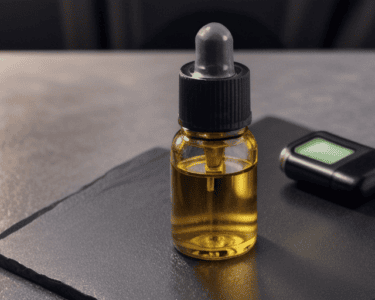
Over the last decade, cannabis has transitioned from a controversial substance to a wellness staple. Recent surveys indicate that approximately 54% of Americans now support the use of cannabis for medical purposes, and an increasing number of individuals are incorporating it into their self-care routines. As more states legalize cannabis for both medicinal and recreational use, wellness products infused with hemp-derived compounds, particularly cannabidiol (CBD), are proliferating. From tinctures and gummies to topical creams, the market is flooded with options aimed at promoting relaxation, alleviating anxiety, and enhancing overall well-being.
The 2018 Farm Bill marked a significant turning point by legalizing hemp-derived CBD on a federal level, facilitating a surge in CBD products. This has opened venues for new research, enabling scientists to examine how cannabis compounds interact with the body’s endocannabinoid system—a network that plays a crucial role in regulating various physiological functions. Current evidence suggests that cannabinoids can aid in managing conditions like chronic pain, anxiety, and even epilepsy, paving the way for cannabis to gain a foothold in conventional wellness practices.
Understanding the Science: Cannabinoids and the Body
At the heart of the conversation surrounding cannabis and wellness is the endocannabinoid system (ECS). Discovered in the early 1990s, the ECS consists of receptors, endocannabinoids, and enzymes that maintain homeostasis—essentially, helping the body regulate itself. Cannabinoids found in cannabis, including THC and CBD, interact with this system to produce various physiological effects. THC is known for its psychoactive properties, while CBD is non-intoxicating and is primarily sought for its therapeutic benefits.
Research published in journals such as The Journal of Pain and Frontiers in Pharmacology indicates that cannabinoids may modulate pain and inflammation, offering an alternative to traditional pain management methods. Furthermore, recent studies suggest CBD may play a role in reducing anxiety and improving sleep quality, factors crucial to overall wellness. As awareness of these benefits spreads, companies are increasingly marketing cannabis-based products as solutions for everyday wellness issues, promoting a holistic approach to health.
Current Trends and Events in Cannabis Wellness
The current landscape of cannabis in wellness is dynamic, marked by innovation and evolving consumer preferences. The COVID-19 pandemic has heightened interest in mental health resources, leading many to seek alternative methods for stress relief and emotional stability. Consequently, local dispensaries and wellness shops are reporting a surge in sales of CBD products aimed at promoting relaxation and anxiety reduction.
In 2023, studies have highlighted the positive influence of cannabis on mental health, with research showing that CBD may help combat stress-induced anxiety. Alongside this, local governments are increasingly recognizing the need for regulation in the burgeoning industry, considering quality assurance and consumer safety as top priorities.
Mindfulness practices are also blending seamlessly with cannabis use. Yoga studios and meditation centers across the country are introducing cannabis-enhanced sessions, allowing participants to explore deeper states of relaxation and mindfulness. These integrative approaches are gaining traction, confirming that wellness isn’t just about physical health; mental and spiritual well-being is equally important.
Expert Insights and Perspectives
Experts in both the medical and wellness fields are advocating for responsible cannabis use. Dr. Ethan Russo, a renowned neurologist and cannabis researcher, stresses the importance of individualization in cannabis therapy. “Each person’s body responds differently to cannabinoids; what works for one may not work for another,” he notes. This reinforces the necessity for consumers to approach cannabis not as a cure-all but as a tool to enhance personal well-being and quality of life.
Furthermore, the importance of sourcing high-quality, lab-tested products cannot be understated. As the cannabis market continues to grow, consumers are encouraged to educate themselves about product origins, cannabinoid content, and potential interactions with other medications. Seeking the guidance of professionals—whether they are healthcare providers or trained cannabis specialists—can yield personalized strategies for incorporating cannabis into one’s wellness routine.
A Call to Responsible Exploration
As the United States navigates the complexities of cannabis legalization and its integration into wellness practices, a movement towards responsible exploration is evident. The latest scientific research continues to unveil the potential benefits of cannabinoids in managing physical and mental health issues, further legitimizing their role in wellness. Continued education, open discussions, and collaborative approaches between professionals and consumers will ensure that cannabis is viewed not merely as a commodity but as a vital element of holistic health.
In conclusion, the conversation surrounding cannabis and wellness is expanding, revealing both its potential and the responsibilities that come with its use. As individuals increasingly look for natural avenues to enhance their health, the science supporting cannabis in wellness will likely continue to evolve. The chance to elevate our well-being lies in the balance of informed choices and the cautious exploration of this multifaceted plant. With responsible usage and ongoing research, cannabis may play an integral role in redefining wellness practices across the nation.