

 By
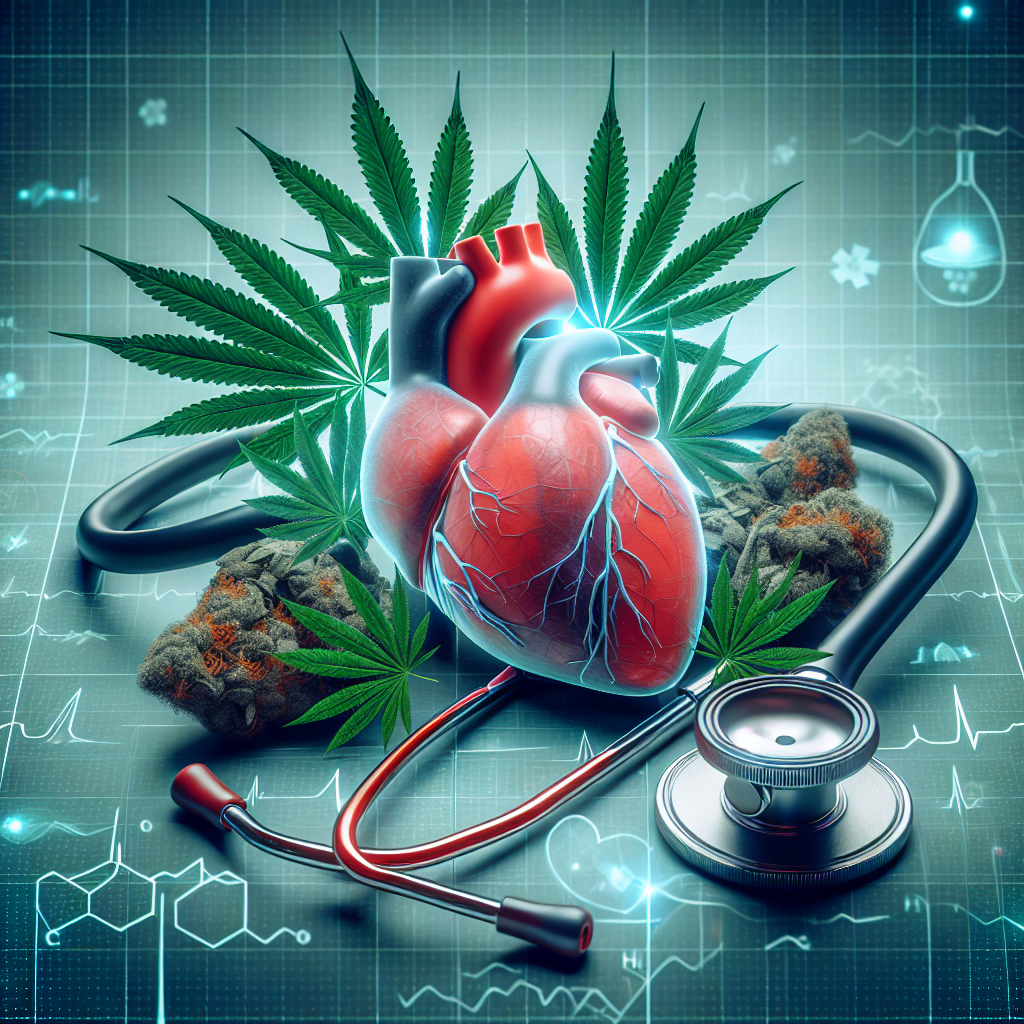
By Cannabis and Cardiovascular Health: A Comprehensive Review in the United States
In recent years, the legalization of cannabis for medical and recreational use across various states in the U.S. has sparked a widespread interest in understanding its health effects. Among the myriad areas of research, cardiovascular health has emerged as a significant focus. As cannabis consumption becomes increasingly prevalent, it’s essential to analyze its implications on heart health, shedding light on both potential benefits and risks.
Background: Cannabis and Its Components
Cannabis is a complex plant with over 100 active compounds known as cannabinoids, the most researched of which are THC (tetrahydrocannabinol) and CBD (cannabidiol). THC is the psychoactive component that produces the “high,” while CBD is non-psychoactive and has garnered attention for its therapeutic properties. Understanding these compounds is crucial as they interact differently with the body’s endocannabinoid system, which plays a vital role in regulating cardiovascular functions. As legal access expands, both patients and healthcare providers are seeking clarity on the health implications of cannabis use, particularly concerning heart health.
Current Research and Findings
Recent studies have produced a mixed bag of findings regarding the impact of cannabis on cardiovascular health. Some research suggests potential benefits, such as CBD’s anti-inflammatory properties, which may contribute positively to heart health by reducing inflammation in blood vessels. In a clinical setting, CBD has been studied for its ability to lower anxiety and stress, factors known to be risk contributors to cardiovascular diseases. A 2023 study published in the Journal of the American College of Cardiology indicated that patients using CBD reported lower systolic blood pressure, hinting at a protective cardiovascular effect.
Conversely, other studies present concerning findings. Regular consumption of THC, particularly in high doses, may lead to heightened heart rate and blood pressure, both of which are red flags for cardiovascular complications, especially in susceptible populations. The American Heart Association has issued caution, warning that while many people use cannabis with the belief that it is a safe alternative, the reality is more complex. Chronic users, particularly younger populations, may experience negative cardiovascular effects, such as an increased risk of stroke or heart attack.
Trends in Cannabis Use and Cardiovascular Implications
As cannabis legalization continues to spread, particularly among younger generations, understanding the health implications has never been more critical. A national survey revealed that approximately 48% of Americans reported trying cannabis, with usage among adults aged 18-29 reaching nearly 30%. This trend raises eyebrows, particularly given the cardiometabolic effects associated with THC. Health professionals are increasingly monitoring how these patterns evolve to ensure that the younger population remains informed.
Moreover, the increasing availability of cannabis strains that emphasize higher CBD-to-THC ratios may influence future health outcomes. Many users now seek products touted for their therapeutic benefits rather than psychoactive effects, leading to ongoing discussions about responsible usage and dosage recommendations. The dialogue around cannabis is shifting from a primarily recreational context to one centered on comprehensive health impacts, necessitating rigorous scientific investigation.
The Role of Healthcare Providers
Healthcare professionals find themselves at the intersection of patient care and evolving cannabis legislation. A 2022 study found that less than 30% of doctors felt adequately educated about cannabis, highlighting the need for updated training and resources in medical schools. Clear guidance is essential for providers who must counsel patients regarding both the potential benefits and risks associated with cannabis consumption. Engaging in open, non-judgmental conversations can empower patients to make informed health decisions.
Integration of cannabis education into cardiovascular rehabilitation programs is gaining traction, promoting a holistic approach to heart health. Following a structured format, cardiovascular care can now incorporate patient histories that include cannabis use, allowing for tailored recommendations. This is particularly important as more states consider rolling out public health campaigns to clarify how cannabis affects cardiovascular health, emphasizing evidence-based guidelines.
Conclusion: A Dual Approach to Cannabis and Cardiovascular Health
As we look to the future, the relationship between cannabis and cardiovascular health remains complex and multifaceted. While there are promising therapeutic prospects associated with CBD, particularly in inflammation management and stress reduction, the potential risks tied to THC require careful consideration. Public awareness campaigns, improved healthcare provider education, and ongoing research will be instrumental in navigating this evolving landscape.
The message is clear: cannabis may be a double-edged sword when it comes to heart health. Stakeholders—including healthcare providers, patients, and policymakers—must collaborate to ensure that cannabis is treated with the seriousness it deserves. As further research unfolds, the goal should be to balance the exploration of cannabis’s therapeutic potential with a candid evaluation of its cardiovascular risks. In the end, fostering informed discussions can lead to safer practices and healthier outcomes for all, inviting reflection on how society can responsibly integrate cannabis into our healthcare frameworks.