
 By
By Roots of Resilience: The Evolution of Cannabis Cultivation
The journey of the cannabis plant from a humble seed to a harvest-ready flower is a narrative that spans centuries, bridging the gap between ancient agricultural wisdom and cutting-edge horticultural science. For generations, growers have relied on instinct, seasonal cues, and time-honored traditions to cultivate this versatile plant. The foundational principles of cannabis cultivation remain surprisingly consistent with other agricultural staples, emphasizing the importance of soil health, sunlight exposure, and water management. This continuity suggests that while the industry may be modernizing rapidly, the core biological needs of the plant have not changed. Understanding these roots is essential for any cultivator looking to optimize yield and quality in today’s competitive market.
Historical records indicate that cannabis has been cultivated for over five thousand years, primarily for its fibers, seeds, and medicinal properties. The Old Farmer’s Almanac, a publication steeped in traditional agricultural advice, has long featured guidance on growing hemp and cannabis. This inclusion is not merely a nod to recent legalization trends but a reflection of the plant’s enduring presence in global agriculture. By revisiting these historical texts, modern growers can glean valuable insights into organic pest management and seasonal planting schedules that have stood the test of time. The synergy between old-world knowledge and new-world technology creates a robust framework for sustainable cultivation practices.
Modern Infrastructure Meets Traditional Wisdom
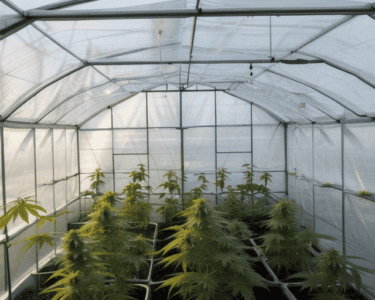
As the cannabis industry matures, the scale of cultivation is shifting dramatically from small-scale indoor operations to massive commercial greenhouses. This transition represents a significant leap in efficiency and environmental sustainability. Recent developments in the sector highlight a move toward large-scale controlled environment agriculture, where technology plays a pivotal role in optimizing plant growth. The integration of automated climate control systems, precision irrigation, and advanced lighting technologies allows cultivators to mimic ideal growing conditions year-round, regardless of external weather patterns.
This shift is not just about increasing yield; it is about consistency and quality control. In a regulated market, the ability to produce a uniform product batch after batch is crucial for brand reputation and consumer trust. Modern greenhouses are designed to minimize the carbon footprint of cultivation by utilizing natural sunlight and reducing energy consumption associated with artificial lighting. The result is a more sustainable approach to production that aligns with the eco-friendly values often associated with the cannabis community. By leveraging these advanced infrastructures, growers can achieve higher densities of plants per square foot while maintaining rigorous quality standards.
The Financial Landscape of Large-Scale Cultivation
The economics of cannabis cultivation are undergoing a profound transformation as the industry moves from a niche market to a mainstream commodity. Recent major investments signal a strong confidence in the long-term viability of large-scale greenhouse production. For instance, a recent memorandum of understanding for a $150 million contract to build a cannabis greenhouse in California underscores the capital-intensive nature of modern cultivation. This level of investment reflects the high barriers to entry and the need for state-of-the-art facilities to remain competitive in a crowded marketplace.
Such substantial financial commitments are driven by the potential for high returns in a rapidly expanding market. However, they also highlight the risks associated with the industry, including regulatory uncertainty and fluctuating market prices. Growers must navigate a complex landscape of taxes, licensing fees, and compliance requirements that vary significantly from state to state. The ability to secure funding and manage operational costs effectively is therefore just as critical as horticultural expertise. As the industry consolidates, only those with robust financial strategies and efficient production models will thrive in the long term.
Optimizing Growth Through Environmental Control
At the heart of successful cannabis cultivation is the precise management of environmental variables. Light, temperature, humidity, and air circulation are the four pillars that support healthy plant development. In modern greenhouse settings, these factors are monitored and adjusted in real-time using sophisticated sensor networks and automation software. This level of control allows growers to fine-tune the growing environment to match the specific needs of different cannabis strains at various stages of their lifecycle.
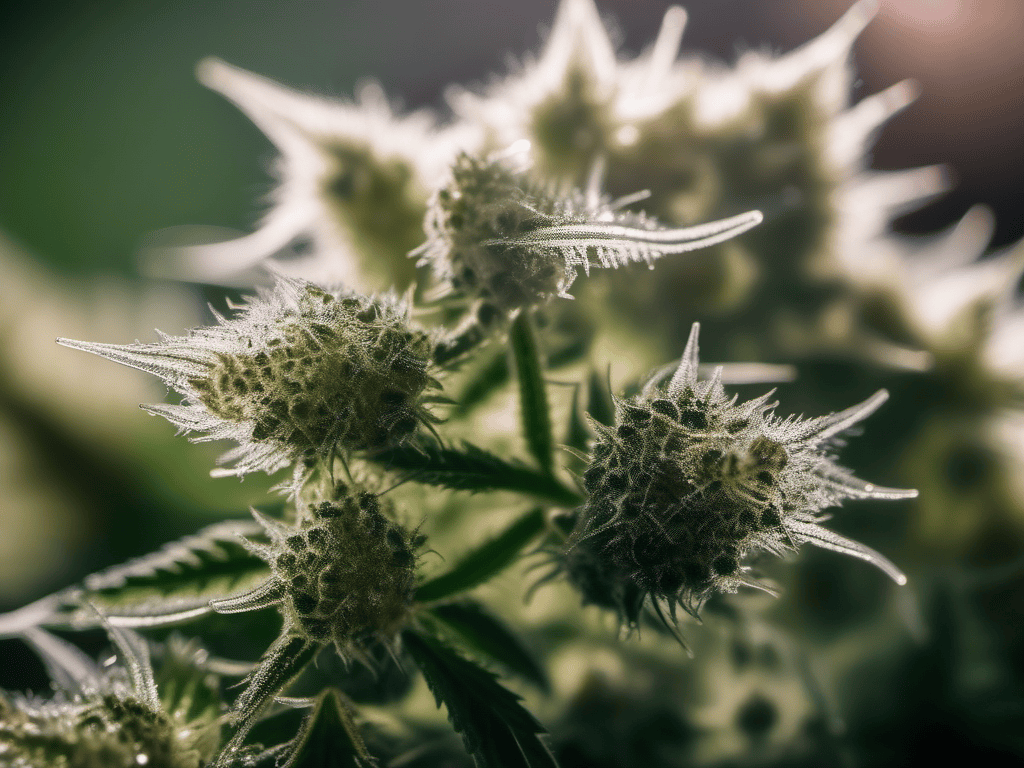
For example, during the vegetative stage, plants require higher light intensity and lower humidity to encourage robust root and foliage development. In contrast, the flowering stage demands a reduction in light hours and a careful balance of humidity to prevent mold and mildew while promoting resin production. By understanding these physiological requirements, cultivators can manipulate the environment to enhance terpene profiles and cannabinoid potency. This scientific approach to cultivation not only improves the quality of the final product but also reduces the risk of crop loss due to environmental stressors.
Sustainability and Resource Management
Sustainability is no longer just a buzzword in the cannabis industry; it is a necessity for long-term viability. With increasing scrutiny on the environmental impact of cultivation, growers are adopting practices that conserve water, reduce waste, and minimize energy consumption.