 By
By Cannabis Edibles: Health Benefits and Risks You Should Know in the United States
In recent years, cannabis has transitioned from a stigmatized substance to a celebrated player in holistic health and wellness. With a surge in legalization across many U.S. states, cannabis-infused edibles—ranging from gummy bears to brownies and even beverages—have surged in popularity. While these products can offer significant health benefits, they are not without risks. For anyone considering integrating cannabis edibles into their lifestyle, it’s essential to understand both the positives and the potential dangers.
Understanding Cannabis Edibles
Cannabis edibles are food products infused with cannabinoids, primarily THC (tetrahydrocannabinol) and CBD (cannabidiol). THC is the psychoactive component of cannabis, responsible for the “high” feeling, while CBD is non-psychoactive and has been linked to various health benefits. Edibles can come in various forms, including baked goods, gummies, chocolates, and beverages.
Health Benefits of Cannabis Edibles
One of the most significant advantages of cannabis edibles is their therapeutic potential.
-
Chronic Pain Relief: Many individuals turn to cannabis edibles as an alternative to over-the-counter pain relievers or opioids. Studies suggest that THC can effectively alleviate chronic pain conditions, such as arthritis, migraines, and neuropathic pain. The prolonged effects of edibles can provide extended relief compared to other methods of consumption.
-
Anxiety and Stress Management: Cannabis has been utilized for its anxiolytic properties. Research indicates that certain strains and formulations, particularly those rich in CBD, can help reduce anxiety levels. Edibles can serve as an excellent option for those looking to manage stress without the immediate effects of smoking or vaping.
-
Reduced Nausea and Increased Appetite: Cannabis is well-regarded for its ability to counteract nausea, particularly in patients undergoing chemotherapy or those with gastrointestinal disorders. The euphoric effects of edibles may also stimulate appetite, making them beneficial for individuals battling conditions like cancer or HIV/AIDS.
-
Sleep Aid: Many users report improved sleep quality after consuming cannabis-infused edibles. THC can induce drowsiness, making edibles a popular choice for those struggling with insomnia or other sleep disorders. CBD may also play a role in relaxation and promoting restful sleep.
- Neurological Benefits: Emerging evidence suggests that cannabis, particularly CBD, may hold neuroprotective properties. Research has explored its potential for conditions such as epilepsy, multiple sclerosis, and even Alzheimer’s disease, with some promising preliminary results.
Risks and Considerations
While the health benefits of cannabis edibles are notable, there are also several risks and considerations to be aware of.
-
Delayed Onset of Effects: One of the most significant challenges with edibles is the delay in their effects. Unlike smoking or vaping, which can deliver cannabinoids almost instantaneously, edibles can take anywhere from 30 minutes to 2 hours to take effect. This delayed onset can lead to overconsumption, as users may mistakenly ingest more, expecting immediate relief.
-
Dosing Difficulties: Determining the right dose of cannabis can be particularly tricky with edibles. Standard serving sizes typically contain around 10 mg of THC, but the variability in products means that consumers may inadvertently consume much more than intended. Start low and go slow is a common mantra, advising new users to start with a small amount and wait to assess effects before taking more.
-
Unanticipated Psychoactive Effects: For inexperienced users or those unfamiliar with their tolerance, consuming cannabis edibles can lead to unpleasant experiences. From heightened anxiety, paranoia, or confusion to the risk of hallucinations, the psychoactive effects of THC can be overwhelming, particularly at higher doses.
-
Potential for Addiction: Cannabis has the potential for misuse and dependency. While statistics show that only a minority of users may develop an addiction, it’s essential to be cautious, especially for individuals with a history of substance use disorders or mental health issues.
- Legal and Safety Concerns: While cannabis is legal in many states, it remains illegal at the federal level in the U.S. This can create complications for users concerning legality and access to medical help in cases of overconsumption. Moreover, the quality and safety of products can vary, making it critical to source edibles from reputable dispensaries that provide lab-testing results.
Conclusion
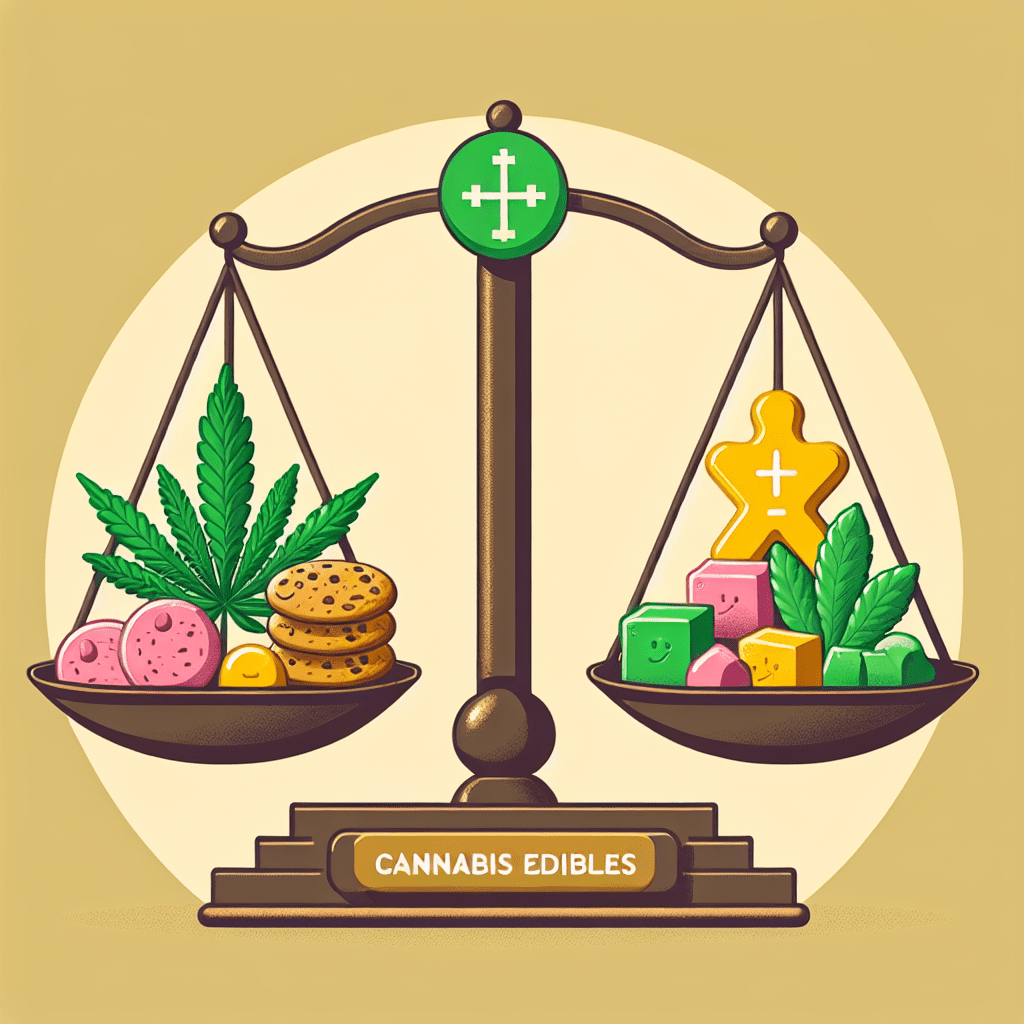
Cannabis edibles present numerous health benefits, making them an attractive option for many seeking natural remedies for various conditions. However, the associated risks must be taken seriously. As the landscape of cannabis continues to evolve, users should remain informed and cautious. Consulting healthcare professionals familiar with cannabis can provide additional guidance on safe usage. Balancing the benefits against the risks will empower consumers to make educated decisions about incorporating cannabis edibles into their health and wellness routines.