
 By
By Cannabis for Calm: Navigating Stress and Anxiety with Nature’s Gift in the United States
In recent years, the conversation surrounding cannabis has shifted dramatically across the United States. Once relegated to the fringes of society, cannabis is now recognized not merely as a recreational substance but increasingly as a therapeutic asset, particularly in the realm of mental health. With stress and anxiety on the rise—exacerbated by various societal pressures, work-related stressors, and the lingering impact of the COVID-19 pandemic—a growing number of individuals are exploring cannabis as a potential remedy. This article will explore the current trends, research, and expert insights surrounding the use of cannabis for calm and anxiety relief.
The Rise of Cannabis as a Therapeutic Tool
Cannabis has been utilized for medicinal purposes for thousands of years, but American attitudes have undergone a significant transformation, especially in the last decade. According to a 2021 Gallup poll, over 68% of Americans support legalizing marijuana, demonstrating a marked shift in public perception. Recent legislation in both the medical and recreational domains has made the plant increasingly accessible. As of now, over 37 states permit the use of medical cannabis, contributing to a robust market that encourages research into the safety and efficacy of cannabis for various medical conditions, including mental health disorders.
Emerging studies indicate that cannabinoids, the active compounds in cannabis, can offer varying effects that help alleviate stress and anxiety. Cannabidiol (CBD), a non-psychoactive compound, is often highlighted for its calming properties. Research published in peer-reviewed journals, such as the Journal of Psychopharmacology, has shown that CBD can significantly reduce anxiety levels, which has led many healthcare professionals to recommend it to patients dealing with stress-related ailments.
Understanding the Cannabinoids’ Benefits
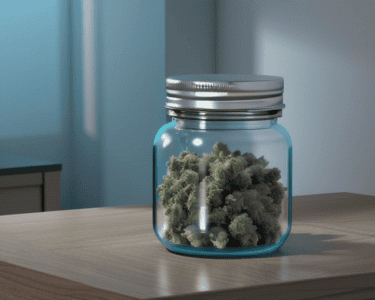
Cannabis isn’t a monolith; it comprises numerous cannabinoids that interact with our body’s endocannabinoid system. The two most well-known cannabinoids are THC (tetrahydrocannabinol) and CBD. While THC is known for inducing a euphoric high, it can also exacerbate anxiety in certain individuals. Conversely, CBD has garnered attention for its potential to induce calm without psychoactive effects.
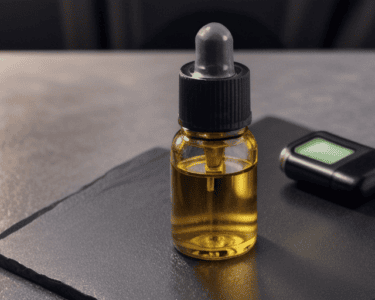
This distinction is pivotal for consumers and patients alike. Many cannabis brands are now offering products formulated specifically for anxiety relief, with a focus on higher CBD ratios and lower THC levels. For example, products such as tinctures, oils, and edibles are tailored to provide therapeutic benefits while minimizing the risk of anxiety spikes associated with higher THC content. In addition, local dispensaries often employ trained staff who can guide consumers towards suitable products based on their stress and anxiety profiles.
The Role of Mindfulness and Lifestyle Integration
Beyond the chemical compounds, the integration of cannabis into a mindfulness practice can enhance its calming effects. Combining cannabis with techniques like meditation, yoga, and deep-breathing exercises is gaining traction as a holistic approach to managing stress and anxiety. A recent survey by the American Psychological Association revealed that over 60% of participants reported a decrease in anxiety after combining mindfulness practices with cannabis use.
This intersection of cannabis and mindfulness suggests that the plant might serve as a catalyst for personal growth and reflection. It encourages users to engage with their thoughts and feelings at a deeper level, often fostering a sense of compassion, acceptance, and calm that can be tremendously beneficial in navigating life’s stresses.
Current Challenges and Considerations
Despite the growing acceptance and emerging research, the landscape of cannabis for anxiety is not without challenges. One of the most significant hurdles persists in the form of insufficient regulation, which sometimes results in untested products entering the market. Additionally, the variability in cannabis strains, dosages, and individual responses makes it difficult to establish standardized guidelines. Patients exploring cannabis as a treatment for anxiety would benefit from consulting healthcare providers familiar with the nuances of cannabis therapeutics.
Moreover, there is a pressing need for more extensive clinical trials and research to construct a comprehensive understanding of the long-term effects of cannabis on mental health. While anecdotal evidence and preliminary studies offer hope, establishing cannabis as a mainstream medical treatment for anxiety hinges on rigorous scientific validation.
The Future of Cannabis in Mental Health
As the stigma surrounding cannabis continues to dissolve, we are poised to witness an influx of innovative methodologies for harnessing its benefits in mental health. Emerging trends include personalized cannabatherapy, which would use genetic and biochemical information to tailor cannabis treatments to individual needs. Furthermore, local governments and research institutions are increasingly collaborating to conduct clinical trials focused on defining effective dosages and formulations specifically for anxiety disorders.
The recent establishment of licensed mental health professionals who can integrate cannabis into therapeutic practices marks a significant step in legitimizing its use. With the right educational frameworks, there is an opportunity to use cannabis not only to alleviate symptoms but also as a powerful tool for fostering emotional resilience.
Conclusion: Nature’s Gift for a Complicated World
In a rapidly changing world filled with stressors, the exploration of cannabis as a calming agent presents a promising frontier. While it is crucial to approach this natural remedy with caution and informed decision-making, the potential benefits are too substantial to ignore. As research expands and legislation evolves, cannabis may well emerge as a valuable ally in the pursuit of mental wellness.
Reflecting on the trends and insights gathered, it becomes clear that cannabis is more than just a plant; it’s a powerful symbol of healing in a complex world. As individuals attempt to navigate their daily stresses and anxieties, understanding the benefits of cannabis—and how best to integrate it into one’s life—may pave the way towards achieving a calmer, more balanced existence. Whether through tinctures, edibles, or simply an afternoon spent in mindful contemplation, the potential of harnessing nature’s gift invites everyone to explore the calm it can offer.