
 By
By Mastering the Indoor Environment for Optimal Yields
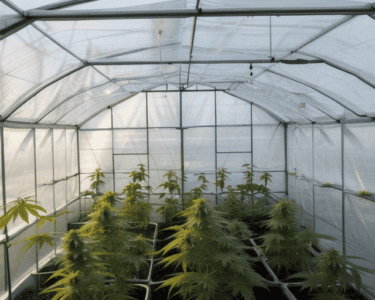
Successful cannabis cultivation begins long before the seed hits the soil; it starts with the careful design and management of the indoor growing environment. For growers aiming to maximize both the quantity and quality of their harvest, creating a stable, controlled atmosphere is paramount. Unlike outdoor grows, where nature dictates the variables, indoor cultivation allows for precise manipulation of light, temperature, humidity, and airflow. This control is not merely a convenience but a necessity for achieving consistent, high-potency results. The modern indoor grow room is a complex ecosystem where every element must work in harmony to support the plant’s life cycle from cloning to harvest.
One of the most critical factors in this equation is lighting. While technology has evolved significantly, with LED fixtures offering superior efficiency and reduced heat output compared to traditional High-Pressure Sodium (HPS) lamps, the fundamental principle remains the same: light is the engine of photosynthesis. Growers must select fixtures that provide the appropriate spectrum for each stage of growth. During the vegetative phase, plants require a higher ratio of blue light to promote strong stem development and dense foliage. As the plant transitions to flowering, shifting to a spectrum rich in red light encourages bud formation and resin production. Understanding the Photosynthetic Photon Flux Density (PPFD) is essential, as it measures the amount of light that actually reaches the plant canopy. A common mistake among novice growers is under-lighting, which leads to leggy plants and lower yields, or over-lighting, which can cause light burn and stress the plant.
Beyond lighting, the management of temperature and relative humidity (RH) plays a pivotal role in plant health. Cannabis plants thrive in a specific thermal range, typically between 70 and 85 degrees Fahrenheit during the day, with a slight drop at night to mimic natural conditions. Humidity levels must be adjusted dynamically throughout the grow cycle. Young clones and cuttings require high humidity, often around 65 to 70 percent, to prevent transpiration stress while they develop roots. As the plant matures and enters the flowering stage, humidity should be gradually reduced to between 40 and 50 percent. This reduction is crucial for preventing mold and mildew, particularly botrytis, which can devastate a crop during the late flowering stages. Maintaining these parameters requires reliable equipment, including hygrometers, thermostats, and dehumidifiers, integrated into a cohesive climate control system.
Optimizing Airflow and Carbon Dioxide Enrichment
Air circulation is often overlooked but is just as vital as light and nutrients. Stagnant air creates microclimates within the canopy where moisture can accumulate, providing a breeding ground for fungal pathogens. Proper airflow ensures that carbon dioxide, which plants consume during photosynthesis, is continuously replenished around the leaves. It also strengthens plant stems by simulating the gentle breeze found in natural environments. In a sealed indoor room, this is achieved through a combination of intake fans, exhaust fans, and oscillating fans. The exhaust system must be powerful enough to remove hot, humid air and replace it with fresh air, while intake vents allow for negative pressure, ensuring that air is pulled through the grow space efficiently.
For advanced growers, carbon dioxide (CO2) enrichment can significantly boost growth rates and yields. In a tightly sealed room, CO2 levels can drop below ambient levels (approximately 400 parts per million) as plants consume it rapidly. Supplementing with CO2 can elevate levels to 1,000 or even 1,200 ppm, potentially increasing photosynthetic activity by up to 30 percent. However, this strategy requires a well-sealed environment and careful monitoring, as excessive CO2 can be toxic to plants and harmful to humans. It is also only effective when combined with high light intensity, as the plant must have the energy to utilize the extra CO2 for growth. Without adequate lighting, adding CO2 is a wasted investment.
Soil Health and Nutrient Management Strategies
The foundation of any successful grow is the growing medium, whether it be soil, coco coir, or a hydroponic solution. For those using soil, the focus must be on building a living, healthy soil ecosystem. This involves the use of high-quality organic soils amended with compost, worm castings, and mycorrhizal fungi. These amendments introduce beneficial microbes that help break down nutrients, making them more accessible to the plant roots. A healthy soil structure also improves water retention and aeration, preventing root rot and promoting robust root development. Regular testing of the soil’s pH and electrical conductivity (EC) helps growers understand the baseline nutrient availability and adjust their feeding schedule accordingly.
Nutrient management is a delicate balance. Cannabis requires three primary macronutrients: nitrogen (N), phosphorus (P), and potassium (K). Nitrogen is crucial during the vegetative stage for leaf and stem growth, while phosphorus and potassium become more important during flowering for bud development and overall plant health. Secondary macronutrients like calcium and magnesium, along with micronutrients such as iron, zinc, and manganese, are also essential, albeit in smaller quantities. Over-fertilization is a common pitfall, leading to nutrient lockout, where the pH of the growing medium prevents the plant from absorbing nutrients, even if they are present. This can manifest as yellowing leaves, stunted growth, or burnt tips. To avoid this, growers should start with half-strength nutrient solutions and gradually increase the concentration as the plant matures, always monitoring for signs of deficiency or toxicity.