 By
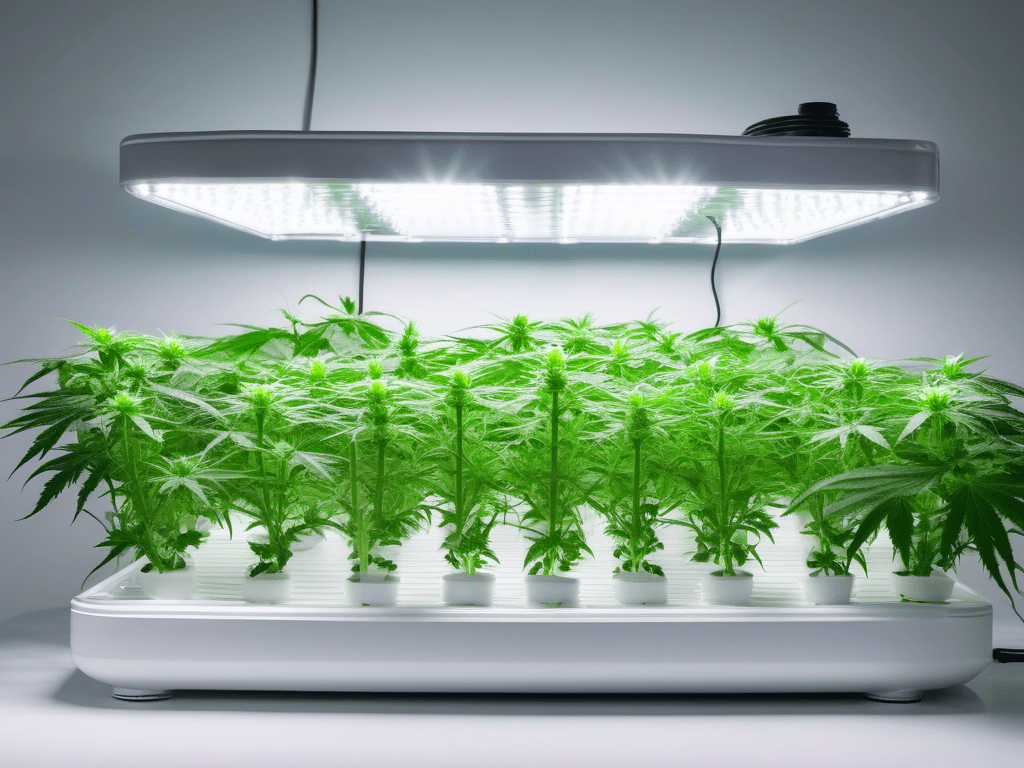
By Mastering the Indoor Cultivation Environment The modern cannabis grow room has evolved from a simple basement operation into a highly sophisticated biological laboratory. Success in this space is no longer defined by luck or intuition alone, but by a rigorous understanding of environmental controls, lighting efficiency, and data-driven decision making. For both commercial operators and home cultivators, the shift toward precision agriculture is reshaping how we approach the lifecycle of the plant, from seed to harvest. The key to maximizing yield and potency lies in creating a stable, optimized environment that allows the plant to express its full genetic potential without stress-induced anomalies. Lighting Strategies for Maximum Photosynthesis Light remains the most critical variable in indoor cultivation. It drives photosynthesis, regulates the vegetative to flowering transition, and influences terpene production. The industry has largely moved away from High Intensity Discharge (HID) lamps, such as traditional HPS units, in favor of Light Emitting Diode (LED) systems. This transition is driven by the superior energy efficiency and spectral control offered by modern LEDs. Unlike HPS bulbs, which waste significant energy as heat, LEDs convert a higher percentage of electricity into usable light, reducing cooling costs and minimizing the risk of heat stress on canopy leaves. Choosing the right spectrum is paramount. During the vegetative stage, plants benefit from a light spectrum rich in blue wavelengths, which promotes compact growth and strong root development. As the plant transitions to flowering, the spectrum should shift toward red and far-red wavelengths to stimulate bud site formation and resin production. Many growers now utilize full-spectrum LEDs that can be adjusted dynamically throughout the grow cycle. This flexibility allows cultivators to fine-tune light intensity and spectral balance to match the specific needs of different strains, ensuring that light is never a limiting factor for growth. Light distribution is equally important. Uniformity across the canopy ensures that all bud sites receive adequate light, preventing the development of “popcorn” buds in lower areas. Reflective hoods and adjustable hanging systems help maintain the correct distance between the light source and the plant canopy. Over time, as plants grow taller, lights must be raised to prevent light burn while maintaining optimal Photosynthetic Photon Flux Density (PPFD). Monitoring PPFD with a quantum sensor is a best practice for serious cultivators who want to ensure every square inch of their grow space is operating at peak efficiency. Climate Control and Airflow Dynamics A healthy grow room requires precise management of temperature and relative humidity. Cannabis plants thrive in a temperature range of 70 to 85 degrees Fahrenheit during the day, with a slight drop at night to mimic natural diurnal cycles. However, these temperatures must be balanced with humidity levels, which change as the plant matures. Vegetative plants prefer a relative humidity of 40 to 70 percent, while flowering plants are more susceptible to mold and mildew, requiring humidity levels between 40 and 50 percent and even lower in the final weeks of flowering. Air exchange is the mechanism that maintains this balance. An active carbon filter combined with an inline exhaust fan is standard equipment for removing odors and stale air. The goal is to achieve a complete air exchange every one to three minutes, depending on the size of the room and the heat output of the lights. Positive or negative pressure within the room can be adjusted using intake and exhaust fans to control airflow direction. Positive pressure keeps contaminants out, while negative pressure contains odors and heat within the exhaust stream. Circulation fans play a crucial supporting role. They prevent stagnant pockets of air where humidity can accumulate and strengthen plant stems by simulating a gentle breeze. This air movement also h