
 By
By [ad_1]
Cannabis Law Trends Transforming Society in the United States
In recent years, the landscape of cannabis legislation in the United States has undergone a seismic shift. Once stigmatized and strictly prohibited, cannabis is now part of a broader discussion focusing on public health, economic development, and criminal justice reform. Around the country, states are reevaluating their stance on cannabis, responding to growing public support and recognizing the myriad benefits of regulation. This article examines current trends in cannabis law that are shaping society and explores how these changes are influencing various facets of American life.
The momentum behind cannabis legalization has been building for over a decade. As of 2023, 23 states and the District of Columbia have legalized recreational cannabis use, while medical cannabis is legal in 38 states. This shift can be ascribed to several factors, including increased awareness of cannabis’s medical benefits, the potential for significant tax revenue, and widespread public support. According to a recent Gallup poll, approximately 68% of Americans support the legalization of cannabis, reflecting a steady increase in acceptance across diverse demographics.
A significant driver of recent legal reforms is the growing recognition of the medicinal properties of cannabis. Research has demonstrated its efficacy in treating conditions such as chronic pain, epilepsy, and PTSD. These findings have prompted a more nuanced discussion about cannabis’s place in modern medicine. States like Connecticut and New York have expanded their medical marijuana programs, allowing practitioners greater discretion in prescribing cannabis-based treatments. This trend represents a larger movement toward integrating cannabis into healthcare systems, highlighting the plant’s therapeutic potential.
The economic implications of legalizing cannabis are substantial. States with legal markets have reported significant increases in tax revenues, which are often allocated to public health, education, and infrastructure projects. For example, California’s cannabis tax revenue exceeded $1 billion in 2022. This surge in revenue has spurred other states to consider legalization as a viable economic strategy, especially post-COVID-19 when many state budgets are strained. The legal cannabis industry has also become a substantial job creator, with over 428,000 full-time jobs reported, marking it as one of the fastest-growing sectors in the American economy.
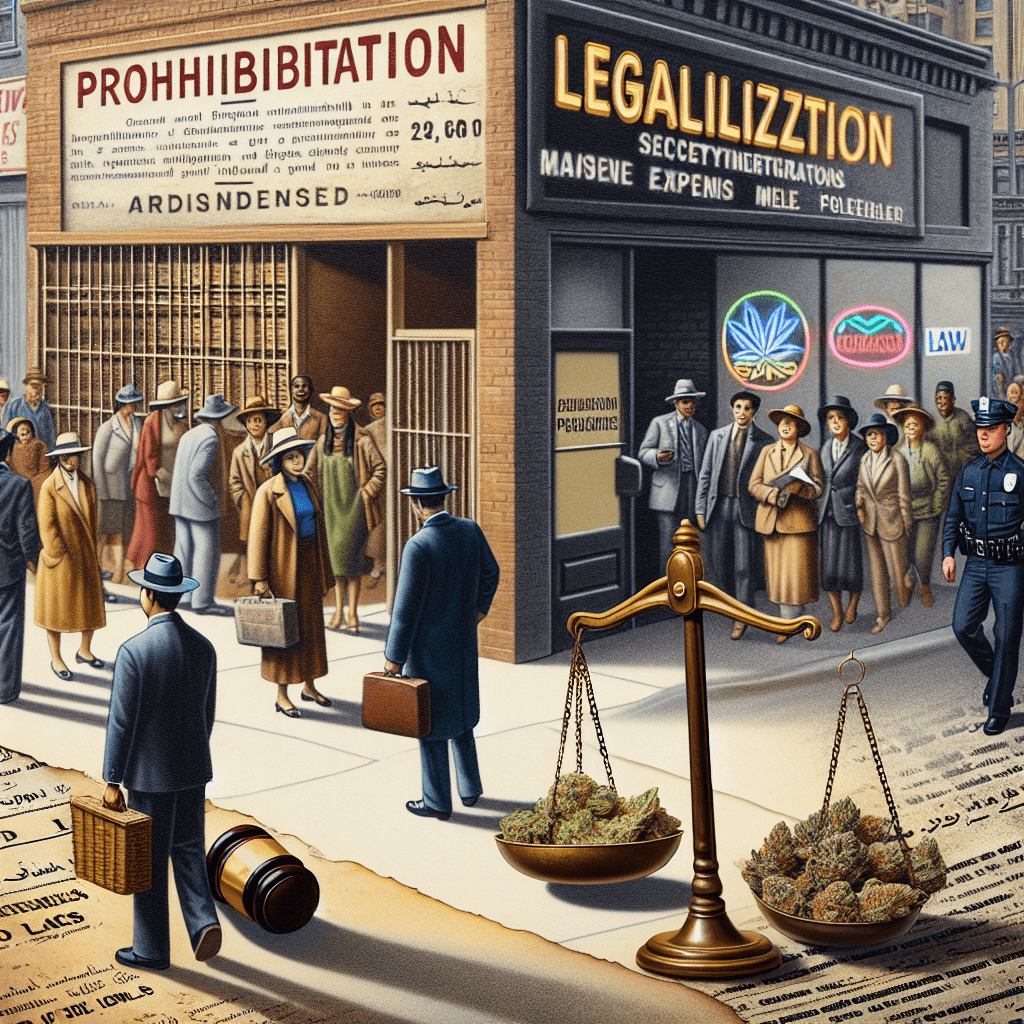
However, the social justice implications of cannabis reform are arguably the most transformative. The War on Drugs disproportionately affected minority communities, leading to over-policing and mass incarceration. Recent legal trends aim to rectify these injustices with policies focused on expungement and community reinvestment. States like Illinois and New Jersey have implemented laws to expunge cannabis-related offenses and fund initiatives that benefit communities most impacted by previous drug laws. These measures are paving the way for a more equitable approach to cannabis regulation and criminal justice.
Despite these positive trends, challenges remain. The inconsistency between state and federal law continues to pose significant hurdles. Cannabis remains a Schedule I substance under federal law, creating legal ambiguities that affect banking, research, and interstate commerce. Efforts to resolve this disparity, such as the MORE Act and the SAFE Banking Act, are gaining traction in Congress but face an uncertain future. The federal stance on cannabis significantly impacts businesses, as many financial institutions are reluctant to work with dispensaries, complicating operations and growth prospects.
Moreover, public health concerns over cannabis use have not diminished. Critics point to the potential for addiction, mental health issues, and impaired driving, stressing the need for stringent regulations and public awareness campaigns. States with legal cannabis markets are implementing measures to address these issues, including setting potency limits, enforcing age restrictions, and funding research on health impacts. Balancing access and safety remains a critical focus for policymakers.
Looking forward, the United States is on the cusp of even broader cannabis reform. The successful legalization in various states serves as a model for other regions contemplating similar legislation. Experts predict that federal legalization is increasingly inevitable, driven by public demand and the economic and social benefits realized by states with legal cannabis markets. As state and federal laws continue to evolve, the conversation is shifting towards a comprehensive approach that addresses the complex implications of cannabis use and distribution.
In conclusion, the trajectory of cannabis law in the United States reflects a growing acknowledgment of its multifaceted impact on society. From economic gains and medical benefits to social justice reparations, the legalization movement is reshaping the national landscape. While challenges persist, particularly regarding federal legislation and public health, the prevailing trends indicate a future where cannabis is fully integrated into American society. As these transformations unfold, they invite a broader dialogue about the role of policy in fostering a more just and equitable society, leaving us to ponder the enduring legacy of these unprecedented changes.
[ad_2]