
 By
By [ad_1]
The Global Shift in Cannabis Policy and Its Impacts in the United States
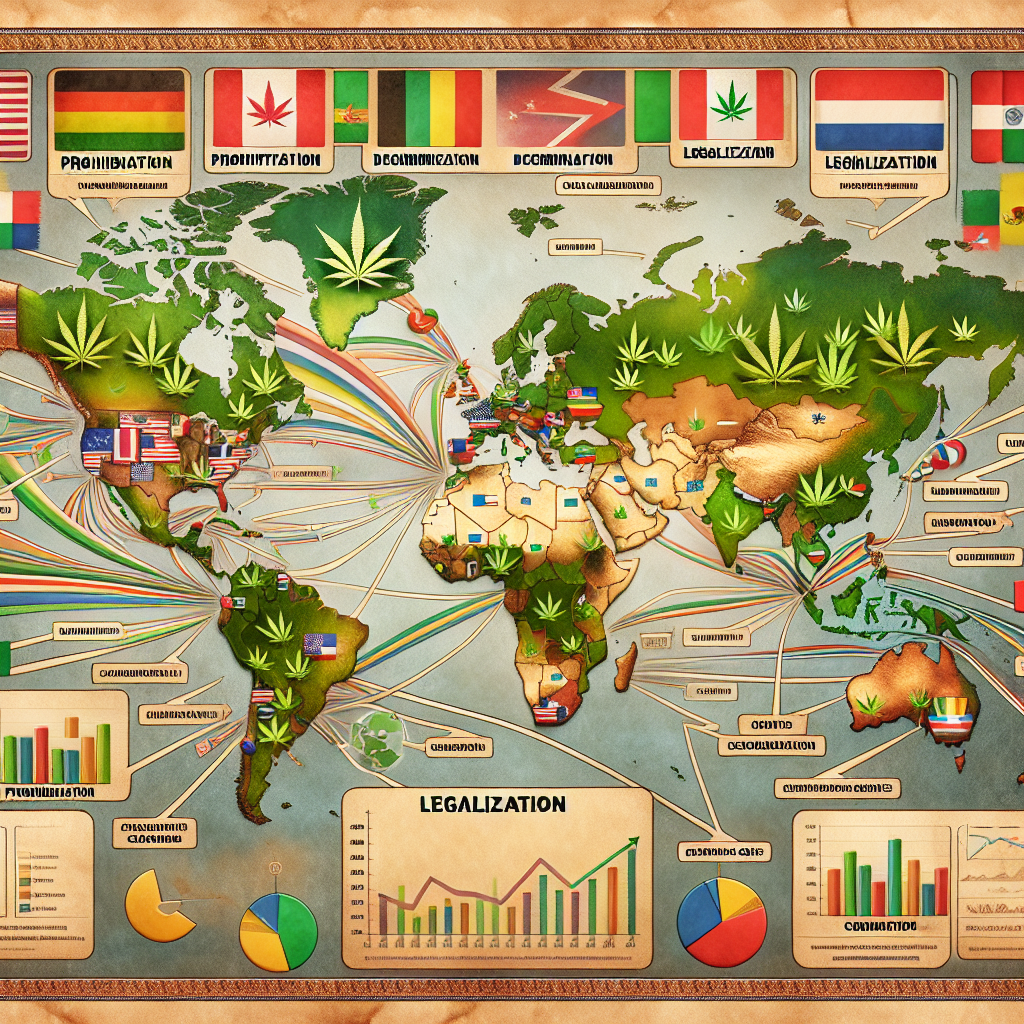
In recent years, the global landscape of cannabis policy has undergone a significant transformation. Nations across the world are re-evaluating their stances on cannabis, with many moving towards decriminalization and legalization. This shift is impacting the United States in profound ways, influencing economic, social, and legal dynamics.
Historically, cannabis has been a contentious topic in the U.S., tightly regulated by federal law under the Controlled Substances Act since 1970. However, increasing evidence of its medicinal benefits and growing public support for legalization have catalyzed a shift. As of 2023, a majority of U.S. states have either legalized or decriminalized cannabis for medicinal or recreational use. These changes reflect broader global trends, where countries like Canada, Uruguay, and parts of Europe have pioneered national legalization efforts.
Internationally, cannabis policy reform is gaining momentum. Canada became one of the first major economies to legalize recreational cannabis in 2018, setting a precedent for others to follow. Europe, though traditionally more conservative on drug policy, is seeing shifts as well, with Germany planning to legalize recreational cannabis and several other nations exploring similar paths. This global shift is influencing American policymakers as they observe the socio-economic impacts of legalization abroad.
The economic implications of cannabis legalization in the United States are significant. The U.S. cannabis industry is booming, projected to exceed $30 billion in sales by 2025. Legal cannabis markets are creating jobs and generating substantial tax revenue. States with legal markets, such as Colorado and California, have reported billions in tax revenue since implementing legalization. This financial windfall is funding public services including education and healthcare, providing a compelling model for other states.
Socially, cannabis legalization is altering public perceptions and reducing stigma. Communities are increasingly viewing it as a legitimate industry with various health benefits, rather than a criminal activity. This has led to increased research into cannabis’ medicinal properties and expanded acceptance of its use for managing chronic pain, anxiety, and epilepsy, among other conditions. Public opinion continues to shift, with recent surveys indicating that more than two-thirds of Americans support legalization.
However, the evolving policy landscape is not without challenges. The discrepancy between federal and state laws creates complexities, particularly for businesses operating in multiple states. Banking remains a significant hurdle, as federal restrictions prevent cannabis companies from accessing traditional financial services, leading to calls for reforms such as the proposed Secure and Fair Enforcement (SAFE) Banking Act. Additionally, concerns about public health, impaired driving, and youth access continue to be areas of focus for regulators.
Legal considerations are also at the forefront, as the federal prohibition creates tension with state laws. Recent discussions in Congress have centered around legislation aimed at harmonizing federal and state cannabis laws. The Marijuana Opportunity Reinvestment and Expungement (MORE) Act is one such effort, seeking to decriminalize cannabis at the federal level and address social justice issues stemming from the War on Drugs, which disproportionately affected minority communities.
As the global trend towards cannabis policy reform progresses, the U.S. finds itself at a crossroads. The potential benefits of embracing a more progressive stance on cannabis are evident, yet challenges remain. Policymakers must navigate complex legal, economic, and social landscapes to create a balanced approach that maximizes benefits while mitigating risks.
In conclusion, the global shift in cannabis policy is exerting a profound influence on the United States. The country’s experience with cannabis reform highlights both the opportunities and challenges of this transition. While economic gains and social acceptance are on the rise, significant hurdles must be addressed to realize the full potential of a legal cannabis market. As legislators, businesses, and communities work together to refine cannabis policies, the U.S. has the opportunity to lead by example, crafting a model that could guide global approaches to cannabis regulation.
The ongoing evolution of cannabis policy invites reflection on broader themes of social justice, economic opportunity, and personal freedom. As attitudes continue to evolve, the conversation around cannabis poses fundamental questions about public policy and the future of drug legislation. With the world watching, the United States has the chance to shape not just national, but international cannabis policy for generations to come.
[ad_2]