 By
By [ad_1]
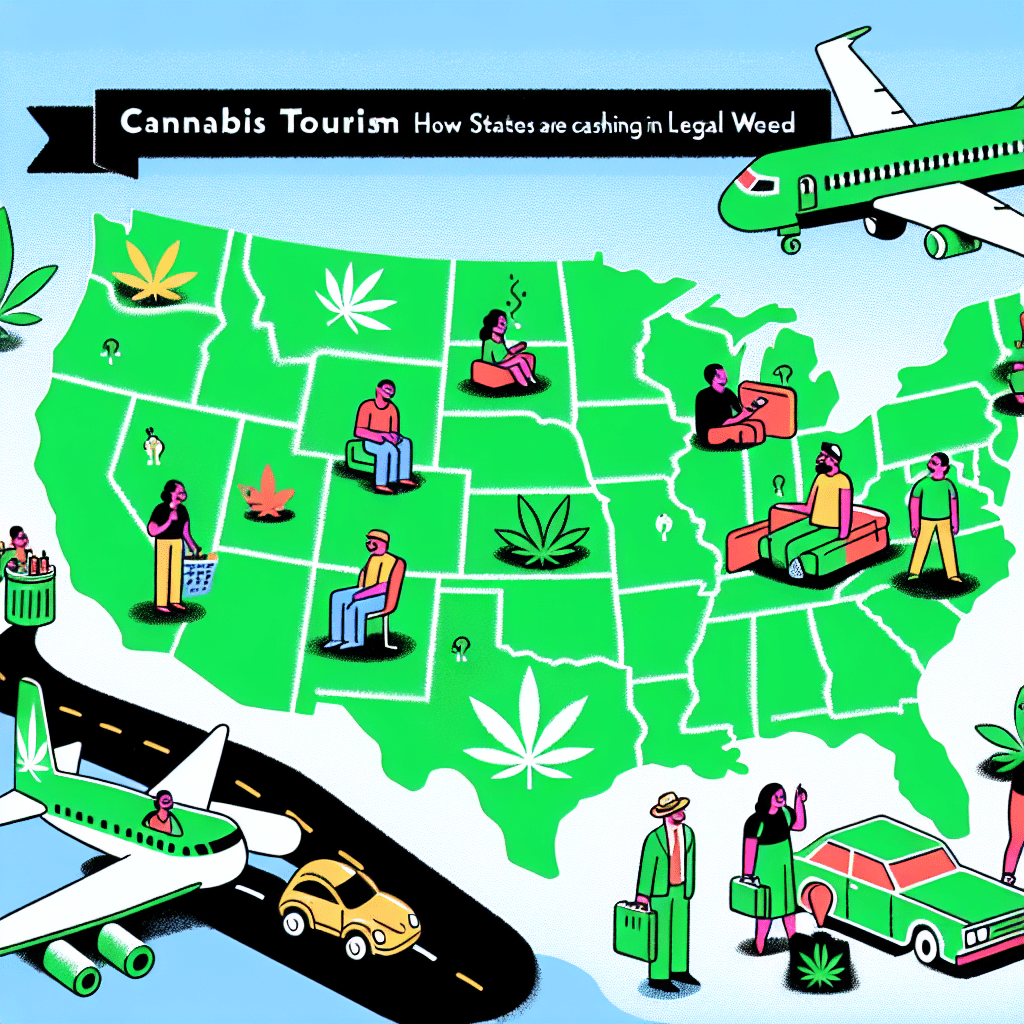
The landscape of tourism in the United States is experiencing a significant transformation as more states legalize cannabis for recreational use. What was once a taboo subject has blossomed into a booming industry, drawing in tourists from across the nation and beyond. This article will delve into the burgeoning cannabis tourism industry, examining how states are capitalizing on legal weed and what implications this has for local economies.
The Rise of Cannabis Legalization
The legalization of cannabis for recreational use began in earnest in the early 2000s, catalyzed by states like Colorado and Washington paving the way. As of 2023, over a dozen states have fully legalized recreational cannabis, with many others legalizing medicinal use. This wave of legalization has opened the floodgates for cannabis tourism, offering travelers unique experiences that revolve around cannabis consumption, culture, and education.
Economic Benefits for States
States that have embraced cannabis legalization have seen impressive economic boons. According to reports, states like Colorado have generated millions in tax revenue since legalizing cannabis, with funds allocated to education, healthcare, and infrastructure. The following points illustrate how cannabis tourism significantly impacts state economies:
- Increased Tax Revenue: Cannabis purchases come with substantial taxes, providing states with a new revenue stream. For instance, Colorado reported over $400 million in cannabis tax revenue in a single year.
- Job Creation: The cannabis industry is labor-intensive, requiring a workforce for growing, packaging, and retailing. This has led to the creation of thousands of job opportunities within states.
- Stimulating Local Business: Cannabis tourism has also benefited local businesses through increased foot traffic. Hotels, restaurants, and cannabis-friendly events attract tourists seeking a full experience.
Experiential Offerings in Cannabis Tourism
The cannabis tourism sector provides a plethora of experiences for visitors. From cannabis-themed tours and tastings to educational workshops, the market thrives on diversity. Here are some popular offerings:
- Cannabis Tours: Tourists can explore dispensaries, cultivation facilities, and growing operations through guided tours, often including tastings and product explanations.
- Consumption Lounges: States like California and Colorado have introduced cannabis lounges where visitors can consume cannabis socially, similar to bars or cafes.
- Festivals and Events: Annual events celebrating cannabis culture, such as cannabis expos and music festivals, attract enthusiasts and tourists alike.
- Wellness Retreats: Some businesses are now offering cannabis-infused wellness retreats that combine yoga, relaxation, and education on the health benefits of cannabis.
Challenges and Considerations
Despite the opportunities presented by cannabis tourism, there are challenges that states must navigate. Legal complexities, differing regulations among states, and community attitudes can play significant roles in shaping the industry. Additionally, there are concerns surrounding public safety, regulation enforcement, and the potential for increased substance misuse. Addressing these issues is crucial for sustainable growth in the cannabis tourism sector.
The Future of Cannabis Tourism
With continued legalization efforts across the country, the future of cannabis tourism looks promising. States that prioritize thoughtful regulation and public education can set the groundwork for a successful, sustainable industry. If managed correctly, cannabis tourism can enhance local economies while combating the stigma associated with cannabis use.
Conclusion
Cannabis tourism represents a vast opportunity for economic growth in legal states. As the industry evolves, states that embrace and regulate cannabis tourism responsibly stand to benefit not only from increased revenue but also from a richer cultural landscape. Colorado, California, and other leading states have set a precedent that others may follow, showcasing the positive implications of embracing cannabis within the tourism industry. The key will be balancing growth and regulation to ensure safety and sustainability for both tourists and local communities.
Frequently Asked Questions (FAQs)
1. What is cannabis tourism?
Cannabis tourism involves travel to destinations where cannabis is legal for recreational or medicinal use, often featuring unique experiences related to cannabis consumption, education, and culture.
2. Which states have legalized cannabis for recreational use?
As of 2023, states including Colorado, California, Oregon, and Massachusetts have legalized recreational cannabis. Many other states have legalized it for medicinal purposes.
3. How does cannabis tourism benefit local economies?
Cannabis tourism generates tax revenue, creates jobs, stimulates local businesses, and increases overall economic activity, providing a significant boost to local economies.
4. Are there any risks associated with cannabis tourism?
Yes, challenges include public safety concerns, differing regulations across states, and the potential for increased substance misuse. Effective regulation is essential to mitigate these risks.
5. What type of experiences can tourists expect?
Tourists can participate in cannabis tours, consumption lounges, festivals, wellness retreats, and educational workshops aimed at enhancing their understanding and enjoyment of cannabis.
[ad_2]